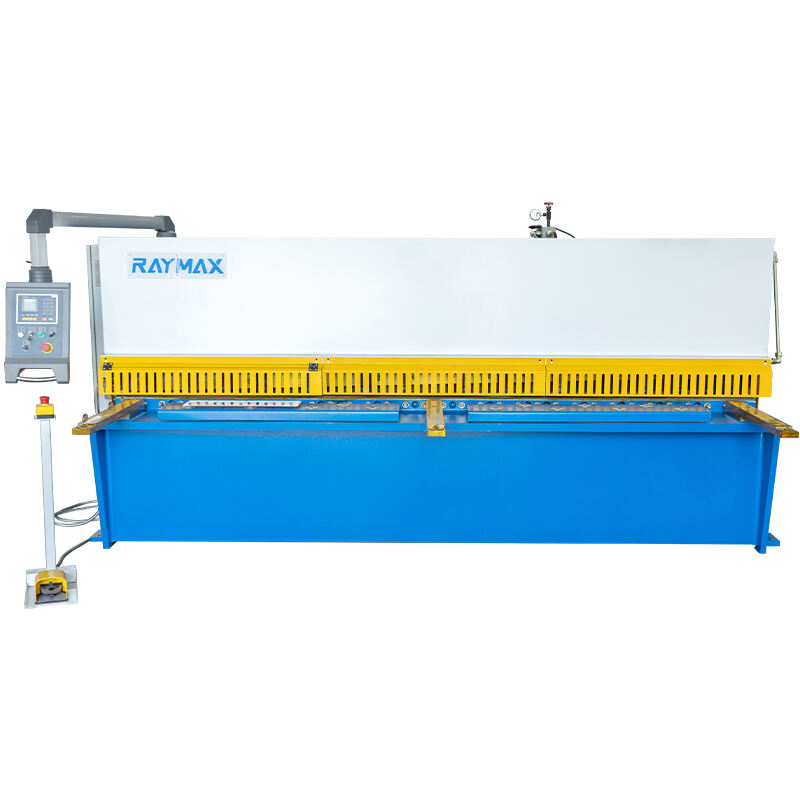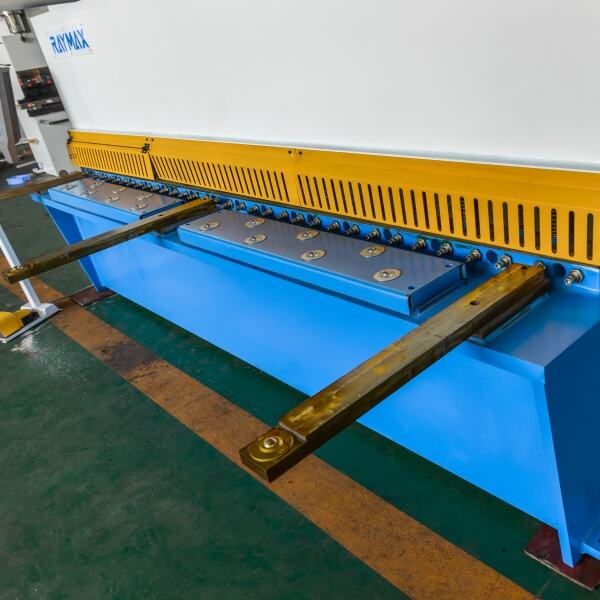
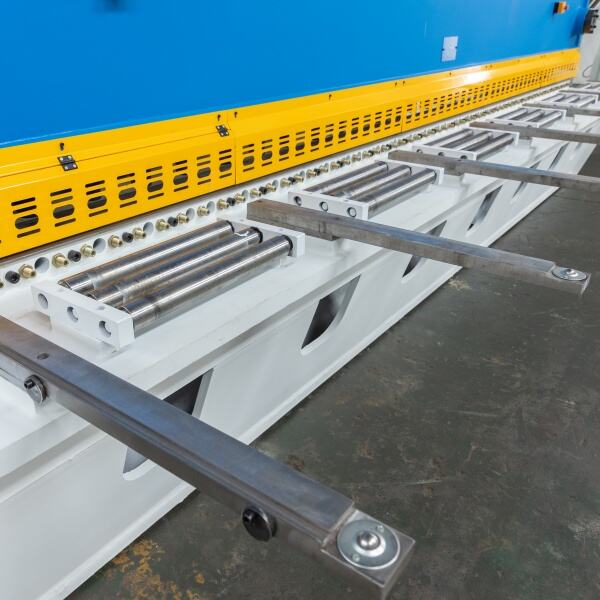
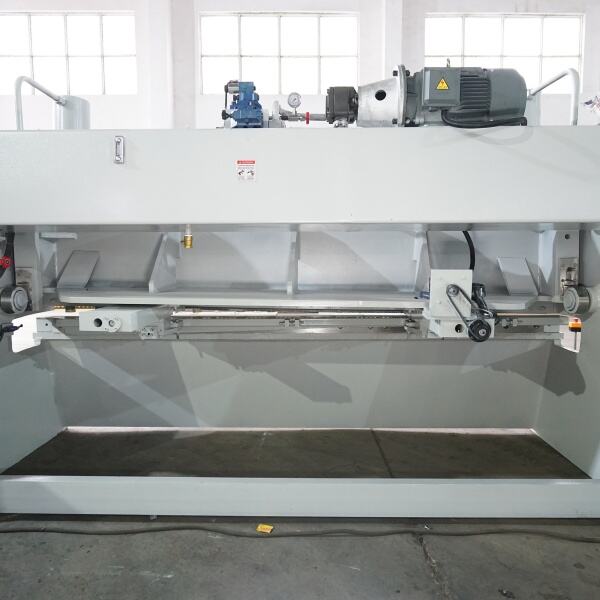
Setting up a shearing machine for metal requires careful planning to ensure safety, accuracy, and efficiency. Begin by selecting a stable location with sufficient space for material handling and operator movement. The machine must be placed on a level surface to prevent vibration, which affects cutting quality. For hydraulic shears, connect the power supply according to the voltage and phase requirements specified in the manual. Install a dedicated circuit breaker to protect against electrical surges. Fill the hydraulic reservoir with the recommended fluid and bleed air from the system by cycling the ram several times without cutting. Next, install the blades, ensuring they are securely fastened and aligned. Adjust the blade clearance based on the material thickness and type; incorrect settings cause blade wear or poor cuts. For mechanical shears, lubricate the gearbox and check belt tension. Configure the back gauge and front support arms to match the desired cutting length. Use precision measuring tools to verify alignment, as even minor deviations impact part quality. If the machine is CNC-controlled, input the cutting program and test it with scrap material to validate dimensions. Calibrate sensors and limit switches to ensure the ram stops at the correct positions. Train operators on safe usage, emphasizing the importance of wearing PPE like gloves and safety glasses. Establish a lockout/tagout procedure for maintenance tasks. Finally, conduct a trial run with production material to fine-tune parameters like cutting speed and pressure. Document the setup process for future reference and schedule regular reviews to accommodate changes in material specifications or production demands. Case Study: An aerospace components manufacturer in the U.S. streamlined their setup process for a CNC hydraulic shear by creating standardized templates for common part geometries, reducing setup time by 50%.
27
Nov
27
Nov
27
Nov
27
Nov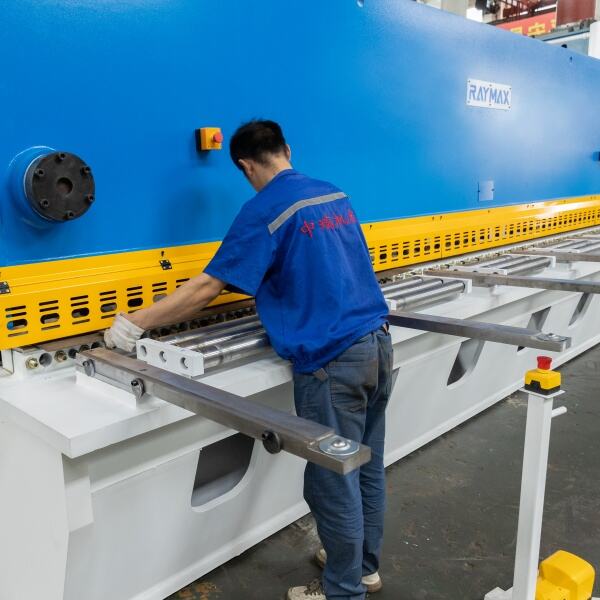
 EN
EN