 EN


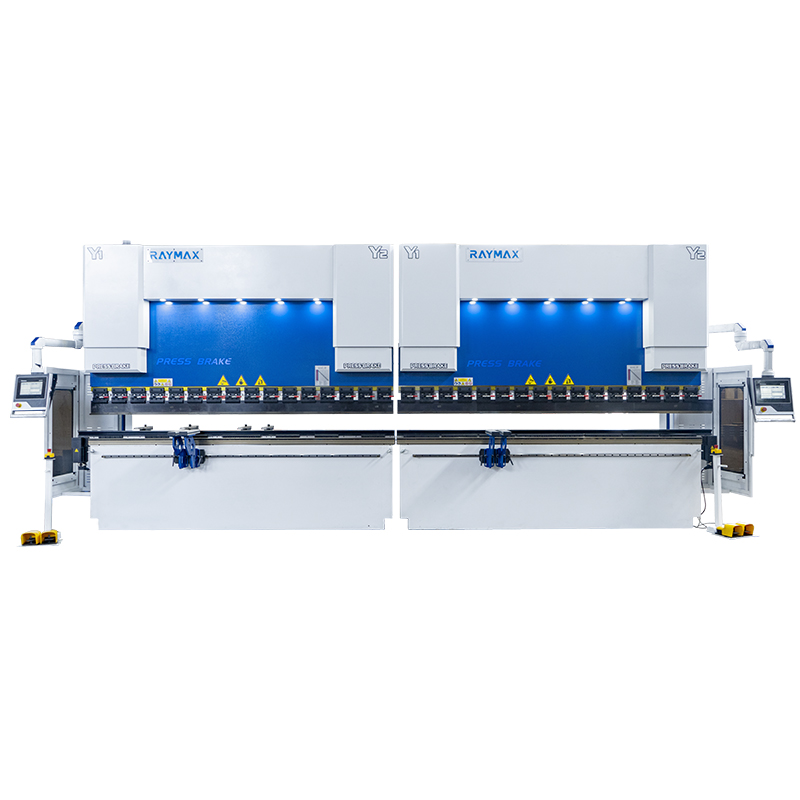
The Modern Manufacturing Crossroads
Every sheet metal fabrication shop eventually arrives at a defining moment when traditional, conventional machinery starts acting as a bottleneck to growth. In today’s competitive industrial landscape, clients demand absolute precision, flawless finishes, and remarkably tight deadlines. Sticking with legacy mechanical or basic hydraulic press brakes can quietly drain your operational budget through constant rework and material waste. Traditional equipment relies heavily on operator intuition to compensate for structural deflection and material inconsistencies, which often leads to inconsistent results. Upgrading to a modern CNC press brake is no longer reserved exclusively for massive tier-one automotive or aerospace plants. It has become a foundational business move for growing workshops aiming to slash scrap rates, streamline production cycles, and secure a stronger foothold in the global market.
Mastering Precision and Eliminating Angular Variance
The most compelling reason to transition to a computer-controlled system is how seamlessly it handles structural physics under heavy loads. Conventional press brakes are notoriously vulnerable to physical deflection, meaning the upper ram and lower table tend to flex microscopically in the middle when extreme tonnage is applied. This natural flex traditionally results in varying bend angles from one end of a workpiece to the other. Modern CNC press brakes conquer this hurdle through sophisticated electro-hydraulic synchronization and automated crowning systems. Dual linear encoders mounted on the machine frame provide continuous, real-time feedback to the controller, while high-speed proportional valves instantly adjust fluid pressure to keep the ram completely parallel. Combined with smart laser angle-measurement technology that actively accounts for material springback, CNC systems ensure every bend hits the target angle on the very first try, eliminating trial and error entirely.
Streamlining Setup and Programming Downtime
In a typical busy workshop, switching between different job configurations or complex part profiles on conventional machines usually means hours of manual adjustments, shimming, and test bending. This lost time accumulates quickly, robbing your floor of valuable productive hours. Modern CNC press brakes completely transform workshop efficiency by integrating offline 3D programming software and intelligent touch-screen controllers. Engineers can simulate entire bending sequences on a computer long before any metal enters the shop floor, automatically verifying tool clearances and calculating optimal multi-axis back-gauge positions. When paired with modern quick-clamp tooling mechanisms, changeover times shrink from hours to mere minutes, allowing job shops to handle short custom runs and large production batches with equal profitability.
Elevating Operator Safety and Ergonomic Standards
Operating legacy press brakes has historically carried significant occupational risks, often requiring workers to keep their hands dangerously close to the point of operation during repetitive multi-stage forming tasks. Modern CNC press brakes prioritize a safe, comfortable working environment by embedding comprehensive safety protocols that align with strict international guidelines. Advanced light curtains, laser finger-protection systems, and dynamic optical monitoring track the descent of the ram in real time, pausing or reversing instantly if an unexpected obstruction enters the zone. Additionally, programmable back-gauges and pneumatic material support arms drastically reduce physical strain on operators, minimizing fatigue-driven mistakes and keeping your skilled workforce safe, focused, and productive throughout demanding shifts.
Unlocking Multi-Axis Versatility and Complex Geometries
Modern architectural structures, intricate electronic enclosures, and advanced structural components frequently require complex, multi-angle geometries that are virtually impossible to execute accurately on conventional machinery. Upgrading to a modern CNC press brake unlocks an entirely new tier of manufacturing capabilities through advanced multi-axis back-gauge configurations. These setups allow operators to position sheets automatically at sophisticated compound angles with extreme repeatability. Whether your facility is processing heavy carbon steel, durable stainless steel, or delicate aluminum alloys, a CNC-controlled environment ensures that pressure distribution and depth adjustments adapt fluidly to every specific material batch, allowing your business to take on high-value, complex projects with complete confidence.
Securing Long-Term ROI and Reliable Industrial Partnerships
Transitioning from conventional equipment to a high-performance CNC press brake is a strategic investment that fundamentally elevates a company's financial health and market reputation. While the initial capital outlay is substantial, the return on investment quickly becomes evident through eliminated material waste, dramatic labor savings, and significantly increased daily output. However, achieving sustainable long-term success requires aligning with a trusted manufacturing partner equipped with robust engineering strength and a dependable global supply chain. Industry leaders like RAYMAX design and build heavy-duty CNC press brake systems—ranging from compact units to massive tandem configurations—backed by stringent international quality standards like ISO and CE. By choosing an experienced partner that provides comprehensive technical support, customized tooling solutions, and rapid spare parts availability, your workshop can scale its operational capacity smoothly and maintain a lasting competitive edge.