 EN


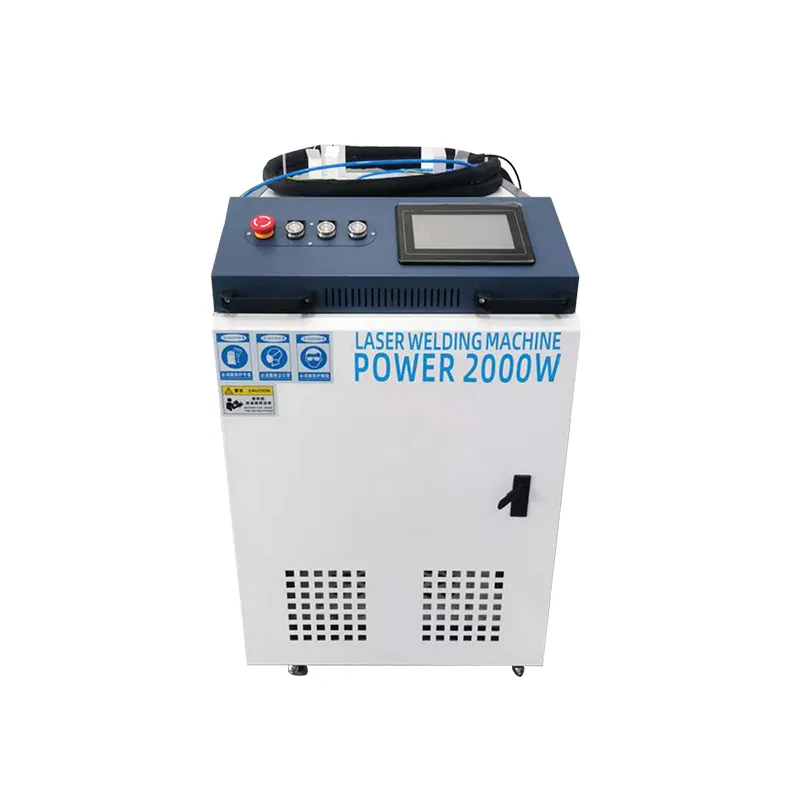
The Modern Fabrication Crossroads
Metal fabrication has evolved dramatically, and modern workshops are constantly searching for smarter ways to join heavy steel, structural elements, and delicate sheet metal assemblies. Shop floor managers today face a major strategic decision: whether to invest in the incredible flexibility of a modern handheld welding machine or to scale up throughput with the high-speed automation of robotic cells. Choosing the right path goes far beyond personal preference; it defines a facility's overall productivity, operating costs, and capability to meet rigorous international quality expectations. Striking the right balance between skilled human craftsmanship and automated efficiency is essential for staying competitive in today's dynamic global marketplace.
Exploring the Flexibility of Handheld Systems
At the forefront of manual shop floor technology, the handheld welding machine—especially advanced fiber laser and portable systems—has completely transformed how fabricators approach custom joints. Unlike bulky legacy equipment that requires stationary setups, handheld laser welders deliver high energy density with minimal heat input. This advantage drastically reduces the heat-affected zone and eliminates troublesome post-weld distortion on thin-gauge stainless steel and aluminum. Skilled operators can move fluidly around complex 3D structures, performing clean welds rapidly without the need for extensive grinding or finishing work. This level of adaptability makes portable handheld equipment indispensable for custom prototypes, architectural metalwork, and urgent on-site repairs where automated programming is simply impractical.
The Power of Automation in Robotic Cells
On the other side of the spectrum, when a production schedule calls for thousands of identical components with zero margin for deviation, robotic welding proves its worth. Automated robotic systems use multi-axis articulation, sophisticated path planning, and advanced seam tracking to execute flawless welds at impressive speeds. Working under strict structural standards set by leading industrial authorities, these robotic cells maintain absolute repeatability across massive production runs. They eliminate operator fatigue, dramatically minimize spatter, and guarantee uniform penetration depth every single time. For automotive parts, standardized brackets, and high-volume appliance manufacturing, robotic cells act as tireless workhorses that ensure predictable output and uncompromised structural integrity.
Real-World Shop Floor Applications
Understanding how these two technologies complement each other becomes clear when looking at active manufacturing environments. Consider a busy job shop that handles everything from one-off architectural trims to large batches of commercial enclosures. Relying solely on automation often creates frustrating bottlenecks when frequent fixture changes are required for custom orders. By deploying agile handheld welding machines for specialized, intricate joints while dedicating the robotic cell to high-volume standard frames, the shop achieves a seamless workflow. Cycle times drop significantly, and the flexibility of manual systems ensures that unexpected custom requests never disrupt daily production goals, highlighting the immense value of a hybrid operational strategy.
Economic Realities and Capital Investment
Evaluating the financial side of this equipment choice requires a careful look at capital expenditure versus long-term operational returns. Setting up a fully automated robotic welding cell demands significant upfront investment in safety enclosures, specialized tooling fixtures, and trained programming staff, making it most practical for high-volume, long-term production. In contrast, a portable handheld welding unit offers a much lower entry barrier with minimal space requirements and a short learning curve for existing workshop employees. For growing fabricators navigating skilled labor shortages, handheld systems empower current team members to deliver exceptional weld quality quickly, maximizing return on investment without the heavy financial burden of full factory automation.
Empowering Production with RAYMAX Solutions
Navigating modern metal joining decisions requires a trusted manufacturing partner equipped with deep industry know-how and reliable global supply chain capabilities. RAYMAX specializes in advanced sheet metal machinery, providing robust press brakes, cutting-edge laser systems, and versatile welding solutions designed to fit diverse workshop environments. Supported by rigorous quality control standards and dependable international delivery networks, RAYMAX helps fabricators around the world optimize their production workflows, elevate manufacturing standards, and scale operations with confidence. Whether looking to expand manual flexibility with a reliable handheld welding machine or integrate advanced automated systems, RAYMAX remains dedicated to powering the future of metal fabrication.