 EN


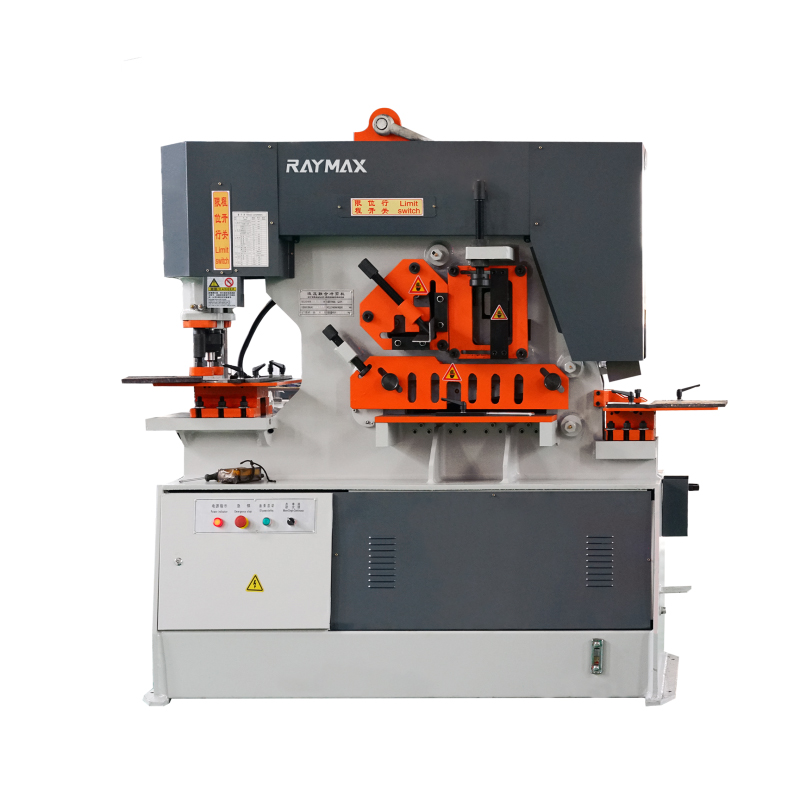
The Root Causes of Inaccurate Metal Shearing
In the demanding field of heavy metal fabrication, achieving clean, dimensionally accurate cuts on structural sheets is essential for downstream welding and assembly success. However, many fabrication workshops struggle with persistent cutting discrepancies, such as burrs, curved edges, or out-of-square blanks, when operating a standard shearing machine. Drawing from practical shop-floor commissioning and plant audit experience, these precision issues rarely stem from a single mechanical failure; rather, they result from an accumulation of subtle operational mismatches. Factors such as incorrect blade clearances, worn cutting edges, uneven hold-down pressure, and thermal expansion during continuous shifts all contribute to cutting inaccuracy. When operators must constantly rework misaligned metal strips, material waste increases, and overall production efficiency declines significantly across the facility. Recognizing the core mechanical variables that influence cut quality is the first critical step toward optimizing shop floor output and maintaining strict dimensional tolerances under demanding operational environments. Furthermore, establishing rigorous daily inspection protocols ensures that minor operational deviations are identified and corrected long before they cascade into costly batch rejections or catastrophic equipment downtime, ultimately protecting enterprise profitability and brand reputation in highly competitive international markets. Taking proactive measures guarantees smooth workflow continuity and lasting mechanical reliability.
Optimizing Blade Clearance and Material Thickness Matching
The single most critical technical parameter determining cut quality on any industrial metal shear is the clearance between the upper and lower blades. Operating with an improper blade gap—whether too tight or too wide—distorts the metal structure, creating excessive burrs, secondary shearing lines, or heavy angular rounding on the cut edge. According to industrial metalworking and sheet cutting guidelines, blade clearance must be adjusted dynamically based on the specific thickness and tensile strength of the material being processed. Thicker structural steel plates and high-yield alloys require a proportionally wider gap to allow clean internal fracturing without overloading the shearing mechanism. Technicians should utilize precise feeler gauges or integrated motorized adjustment systems to verify gap uniformity across the entire cutting length, ensuring smooth fracture propagation and extending the active lifespan of expensive tool steel blades. Maintaining proper thermal stability and avoiding excessive blade wear are essential for preserving consistent edge quality across long production runs of diverse commercial alloys, guaranteeing superior fit-up during subsequent fabrication stages and eliminating unnecessary post-processing steps.
Backgauge Calibration and Angular Squareness Control
Beyond blade geometry, achieving repeatable dimensional precision depends heavily on the accuracy and stability of the motorized backgauge system. When operators cut hundreds of identical metal blanks, even a fraction of a millimeter of backgauge drift or angular misalignment will ruin an entire batch. In extensive plant maintenance practice, observers note that heavy mechanical shock loads and vibration during high-speed shearing can gradually knock backgauge parallel reference axes out of true alignment. Regular calibration using precision dial indicators and laser measuring tools is mandatory to maintain absolute squareness between the cutting line and the side squaring arm. Proper backgauge synchronization ensures that every single sheet rests securely against the positioning stops, guaranteeing identical part dimensions and eliminating costly dimensional discrepancies during subsequent press brake bending or robotic welding stages. Routine mechanical checks prevent unexpected position drifting and secure flawless alignment across every single shift, optimizing material yield and workflow efficiency for the entire shop floor without demanding excessive maintenance overhead or specialized tools.
Managing Hydraulic Hold-Downs and Sheet Stability
Sheet slippage during the initial descent of the upper beam is another major culprit behind warped cuts and angular distortion. As the shear blade contacts the metal surface, immense downward force is generated; if the sheet is not clamped uniformly across its entire width, it will shift or bow mid-cut. Modern shearing equipment relies on a series of robust hydraulic hold-down cylinders positioned evenly along the cutting beam to lock the material firmly in place prior to blade engagement. Based on heavy-duty manufacturing benchmarks, calibrating hold-down clamping pressures relative to sheet gauge prevents surface marring on soft aluminum while providing adequate friction to anchor thick carbon steel plates. Ensuring that hydraulic valves and individual cylinder seals operate at peak performance prevents localized lifting during high-speed cycles, safeguarding straight, clean, and stable cuts every single time. Consistent clamping force distribution remains a foundational requirement for high-tolerance sheet metal cutting operations, protecting valuable workpieces from surface blemishes and dimensional inaccuracies while promoting a safe working environment and extending component durability.
Achieving Precision Shearing Excellence with RAYMAX
Mastering advanced metal cutting workflows demands deep technical insight, rigid machine construction, and dependable aftermarket support. This is precisely where industry leaders like RAYMAX bring exceptional, enduring value to global manufacturing enterprises. Backed by advanced manufacturing workshops, rigorous quality control systems, and a dedicated engineering support team, RAYMAX delivers high-performance shearing machines, hydraulic guillotines, and integrated plate processing solutions tailored precisely to rigorous international industrial standards. Having successfully partnered with diverse manufacturing clients worldwide, RAYMAX provides a comprehensive service ecosystem covering technical consultation, custom equipment configuration, and responsive global after-sales maintenance support. Whether upgrading an existing fabrication line or investing in high-capacity shearing equipment, leveraging RAYMAX's proven manufacturing capabilities ensures that your shop floor operates with maximum cutting precision, heightened safety, and superior long-term economic returns. Investing in robust machinery and reliable supply chain partnership gives industrial producers a decisive competitive advantage in rapidly evolving international metalworking markets.