 EN


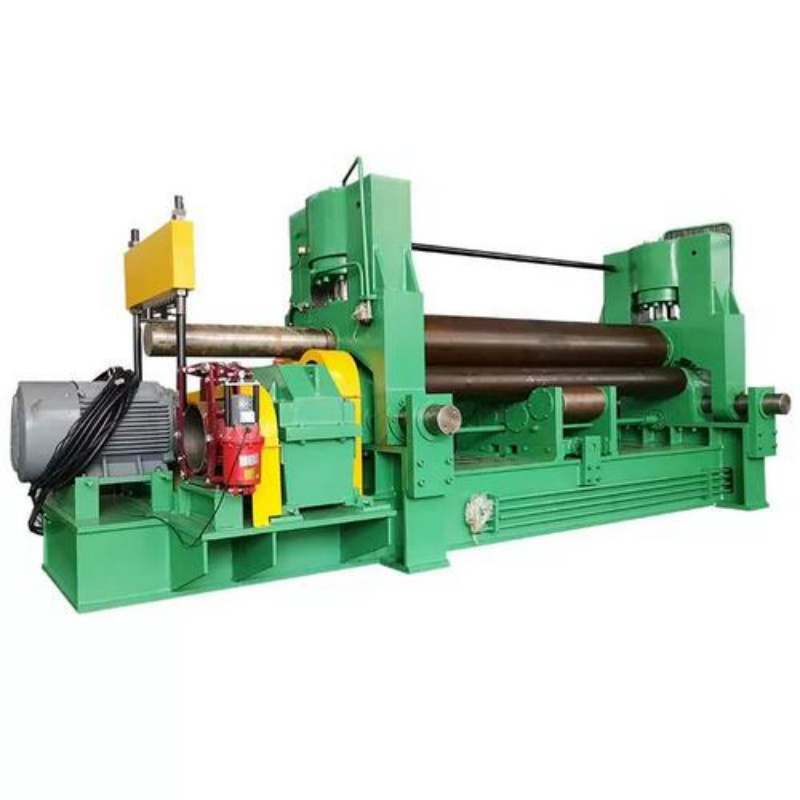
Hydraulic Rolling Machine vs. Electric Rolling Machine: Torque Comparison
When heavy fabrication shops tackle thick metal plates to shape them into cylindrical, conical, or curved structures, immense mechanical power becomes an absolute necessity. At the core of these heavy-duty operations sits the plate rolling machine, a vital asset deployed extensively across shipyards, pressure vessel manufacturing facilities, and structural steel workshops. As production managers weigh their options for plate bending investments, one of the most hotly contested technical debates involves the choice of drive mechanism: specifically, comparing hydraulic systems against electric alternatives. Torque delivery, load management, and energy responsiveness directly determine how efficiently a workshop can process heavy-gauge materials without risking stalls, slippage, or structural damage. Experienced shop floor engineers know all too well that deploying the wrong torque configuration leads to warped workpieces, accelerated machine wear, and painful production bottlenecks. Grasping the fundamental torque traits of a hydraulic rolling machine versus an electric setup empowers fabricators to make smart capital decisions tailored precisely to their operational workloads and material thickness demands.
Hydraulic Rolling Machine Mechanics: Delivering Raw Power and High Tonnage
For decades, hydraulic systems have reigned supreme as the gold standard for heavy plate bending due to their exceptional capability to generate and sustain massive force under continuous operational stress. A standard hydraulic rolling machine relies on high-pressure fluid power driven by heavy-duty pumps to manipulate top and side rolls, ensuring smooth, uninterrupted torque even when operating at very low rotational speeds. Drawing from practical insights in heavy pressure vessel production, fluid-powered systems truly shine when handling thick carbon steel and structural alloy plates. The natural compressibility of hydraulic fluid acts as a built-in shock absorber, shielding delicate internal mechanics from sudden load spikes the moment heavy plate enters the nip point. Furthermore, hydraulic drives can hold maximum torque indefinitely while stalled or holding position, which proves essential when pre-bending thick edges or wrestling with high-yield-strength materials that push back aggressively. This steady, unrelenting force profile guarantees deep penetration and perfectly uniform curvature across long, demanding workpieces.
Electric Rolling Machine Mechanics: Precision, Speed, and Energy Efficiency
Moving away from fluid power, modern electric rolling machines tap into advanced servo motors, variable frequency drives, and precision planetary gearboxes to transfer kinetic energy straight to the rolls. These electric setups earn widespread praise for their remarkable rotational speeds, lightning-fast torque response, and microscopic positional accuracy. Industry manufacturing reviews consistently highlight that servo-electric plate rollers offer superior energy efficiency during standby and light-duty cycles, drawing power strictly when active movement is demanded. For facilities focusing on thinner metal gauges, stainless steel architectural cladding, or high-mix component fabrication, electric drives deliver snappy cycle times and flawless synchronization between rolls. Ditching hydraulic fluid reservoirs also eliminates oil leak risks and slashes routine environmental maintenance chores. However, traditional electric drives hit a wall when pushed to run continuously at maximum torque thresholds close to their thermal limits, requiring intricate cooling systems and careful sizing to avoid motor burnout during rigorous rolling tasks.
Comparative Torque Analysis: Heavy Industrial Applications vs. Fine Sheet Forming
A head-to-head torque comparison between these two drive technologies exposes clear operational compromises shaped by specific workshop demands. Hydraulic rolling machines pump out steady, high-torque performance regardless of rotational speed, making them the ultimate choice for heavy structural rolling where resisting fierce material pushback is a constant reality. When heavy plates undergo extreme plastic deformation, material resistance fluctuates wildly, and hydraulic setups absorb these abrupt shifts seamlessly without tripping overloads. Electric rolling machines, though boasting impressive starting torque, lean heavily on complex electronic feedback loops and gear reduction ratios to handle heavy burdens. If an electric drive runs into resistance exceeding its rated torque capacity, it risks thermal shutdowns or belt slip unless heavily over-engineered from the start. Conversely, for high-speed, repetitive medium-gauge rolling where fast cycle times dictate profitability, the dynamic acceleration and tight torque modulation of electric systems provide a distinct competitive edge. Weighing these behaviors against daily production schedules ensures shops pick equipment that sustains peak output without sacrificing reliability.
Economic Value and Operational ROI: Choosing the Right System
Looking beyond technical torque curves, purchasing a plate rolling machine means evaluating the total cost of ownership, ongoing operational expenses, and long-term return on investment. Hydraulic rolling machines typically demand a lower initial capital outlay for heavy-capacity models and boast rugged durability in harsh, high-temperature, or outdoor industrial yards. Their straightforward mechanical design also makes heavy repairs much easier for in-house maintenance crews. On the flip side, electric rolling machines deliver greater energy savings and lower upkeep costs over time because they feature fewer wearing fluid components, though high-torque electric variants come with a steep upfront price tag. Workshop managers must carefully analyze their unique product mix—balancing plate thickness against production volume—to figure out which technology drives maximum profitability. Selecting the right machinery cuts down scrap, eliminates tedious rework, and maximizes overall shop throughput for sustainable business growth.
Empowering Heavy Plate Processing with RAYMAX Solutions
Tackling the complexities of heavy metal fabrication successfully requires partnering with a seasoned manufacturing ally that blends elite engineering mastery with dependable global supply chain backing. Widely recognized for excellence in heavy metal processing machinery, RAYMAX provides a comprehensive lineup of high-performance hydraulic and specialized rolling machines built to conquer the toughest industrial environments. Backed by stringent quality control standards, state-of-the-art production facilities, and a responsive international service network, RAYMAX ensures that every fabrication shop can scale its plate processing capacity with total confidence. By integrating advanced torque control architecture, rugged structural frames, and dependable supply chain support from RAYMAX, forward-thinking enterprises eliminate operational roadblocks, elevate structural precision, and secure lasting success in a competitive global market.
Table of Contents
- Hydraulic Rolling Machine vs. Electric Rolling Machine: Torque Comparison
- Hydraulic Rolling Machine Mechanics: Delivering Raw Power and High Tonnage
- Electric Rolling Machine Mechanics: Precision, Speed, and Energy Efficiency
- Comparative Torque Analysis: Heavy Industrial Applications vs. Fine Sheet Forming
- Economic Value and Operational ROI: Choosing the Right System
- Empowering Heavy Plate Processing with RAYMAX Solutions