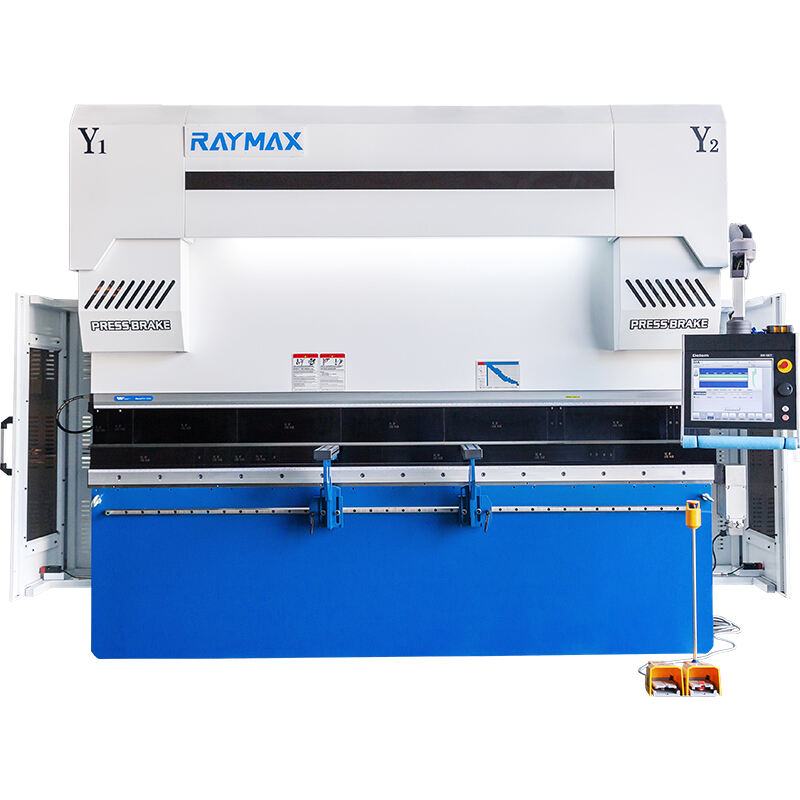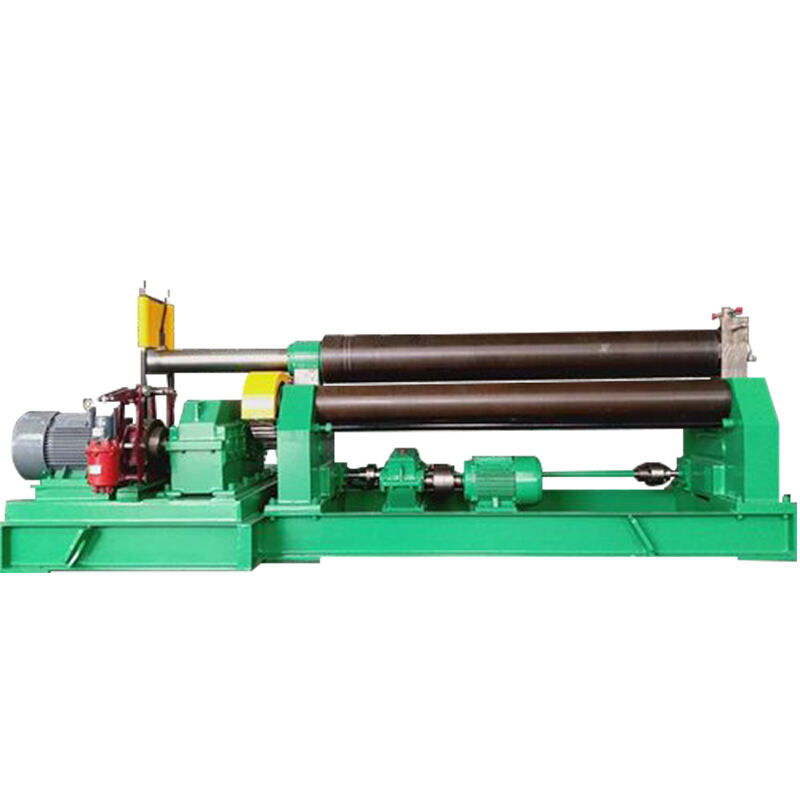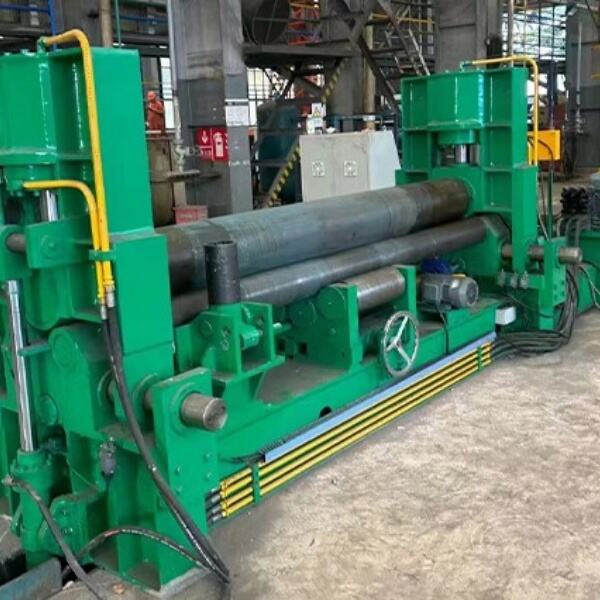
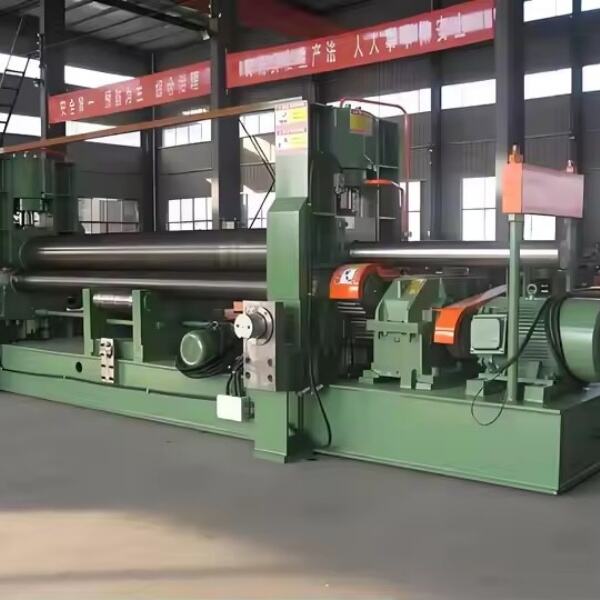
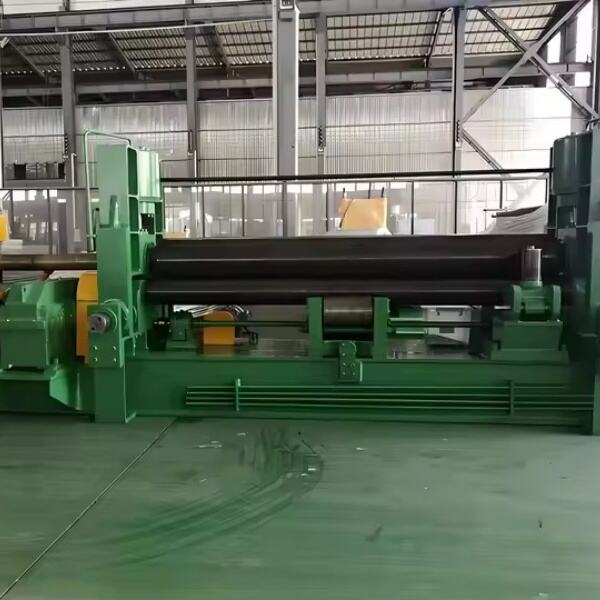
CNC hydraulic rolling machines represent the pinnacle of precision metal bending, combining computerized numerical control (CNC) with hydraulic power for unparalleled accuracy and repeatability. These machines utilize hydraulic cylinders to generate force, which is controlled electronically to achieve consistent bending angles across batches of material. The CNC system stores multiple job profiles, allowing operators to switch between tasks with minimal setup time—a critical advantage in high-mix, low-volume manufacturing environments. For example, a shipbuilding company deployed CNC hydraulic rollers to fabricate curved hull sections from 25mm-thick steel plates. The machine’s 8-axis control system adjusted backgauge positions and rolling speeds in real time, ensuring each bend met naval engineering standards without manual intervention. Key features include touchscreen interfaces with 3D visualization, automatic crown compensation to counteract deflection, and safety interlocks that halt operations if material slippage is detected. Hydraulic systems are preferred for heavy-duty applications due to their ability to maintain constant pressure even under varying loads, reducing the risk of workpiece deformation. Modern variants also incorporate energy-recovery circuits that recycle hydraulic fluid pressure during idle cycles, cutting power consumption by up to 35%. For businesses processing thick or high-tensile materials, CNC hydraulic rolling machines offer a cost-effective solution to meet stringent quality requirements while maximizing uptime.
27
Nov
27
Nov
27
Nov
27
Nov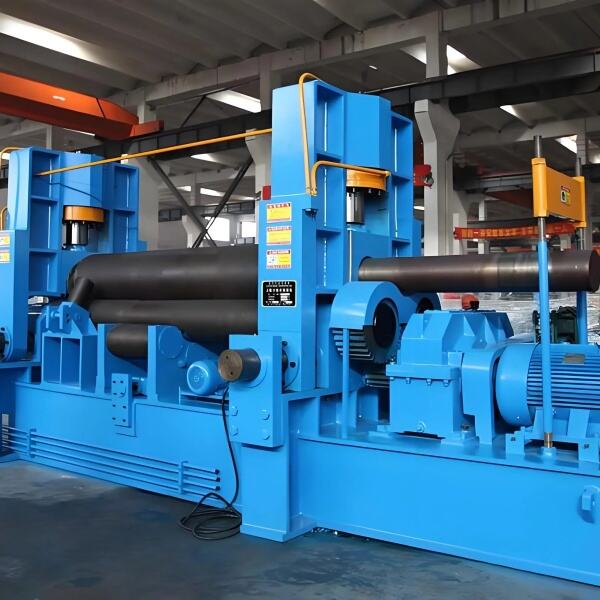
 EN
EN