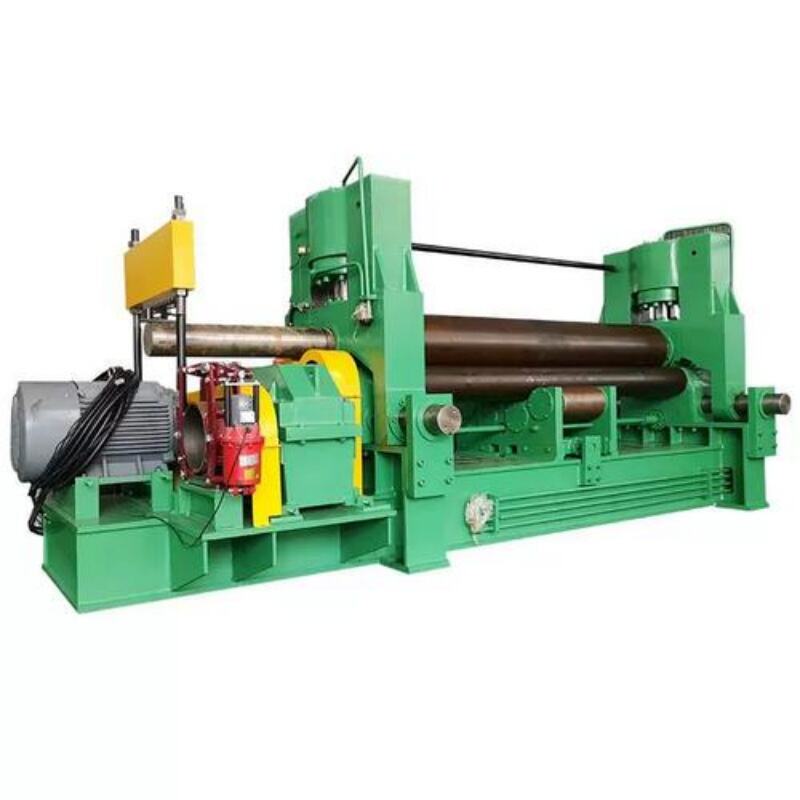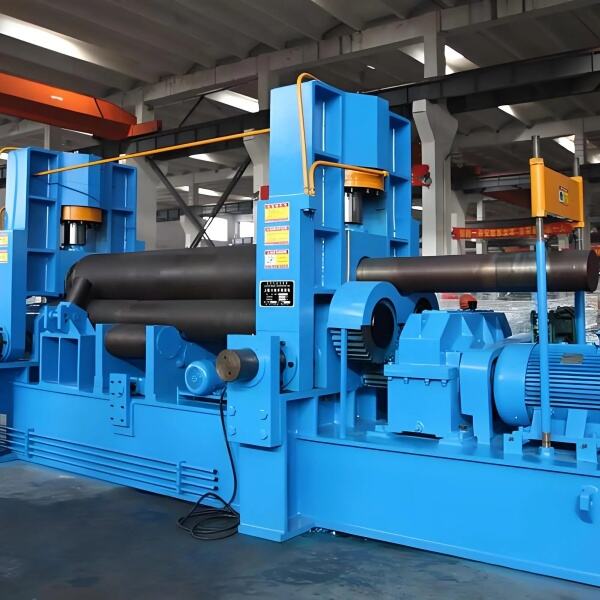
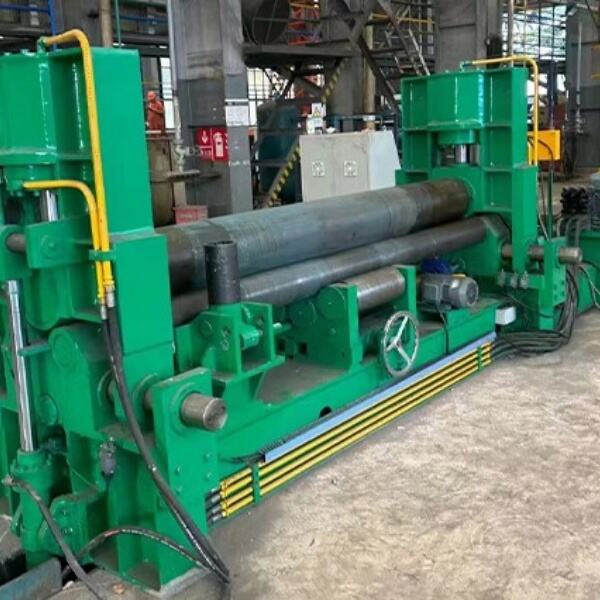
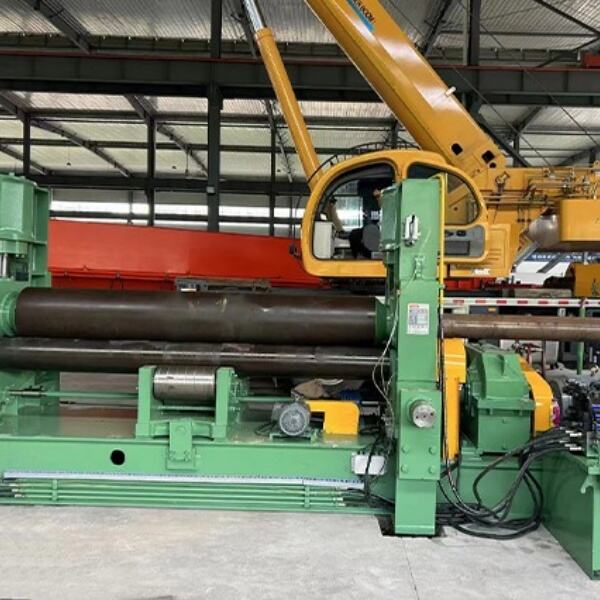
A metal profile rolling machine is a specialized type of rolling machine designed to form metal profiles into desired shapes and dimensions. Metal profiles are elongated metal pieces with a specific cross-sectional shape, such as angles, channels, I-beams, and tubes. These profiles are widely used in construction, automotive, aerospace, and other industries for structural and functional purposes. The metal profile rolling machine operates by passing the metal profile through a series of rolls that are shaped to match the desired final profile. As the profile moves through the rolls, it is gradually deformed and takes on the shape of the rolls. The number of rolls and their arrangement can vary depending on the complexity of the profile and the desired level of precision. Some metal profile rolling machines use a three-roll or four-roll configuration, while others may have more rolls for more intricate profile shapes. One of the key advantages of using a metal profile rolling machine is its ability to produce profiles with consistent quality and dimensional accuracy. The machine can be programmed to repeat the same rolling process multiple times, ensuring that each profile meets the same specifications. This is particularly important in industries where precision and uniformity are critical, such as in the construction of bridges and buildings. Metal profile rolling machines also offer flexibility in terms of the types of profiles that can be produced. By changing the roll sets, manufacturers can produce a wide variety of profile shapes and sizes, adapting to different customer requirements and market demands. Additionally, these machines can be used to roll both hot and cold metal profiles, depending on the material properties and the desired final characteristics of the profile. When selecting a metal profile rolling machine, factors such as the maximum profile size, the complexity of the profiles to be produced, the production volume, and the required level of precision should be considered. It is also important to choose a machine from a reputable manufacturer that offers reliable technical support and after-sales service to ensure the smooth operation and maintenance of the machine.
27
Nov
27
Nov
27
Nov
27
Nov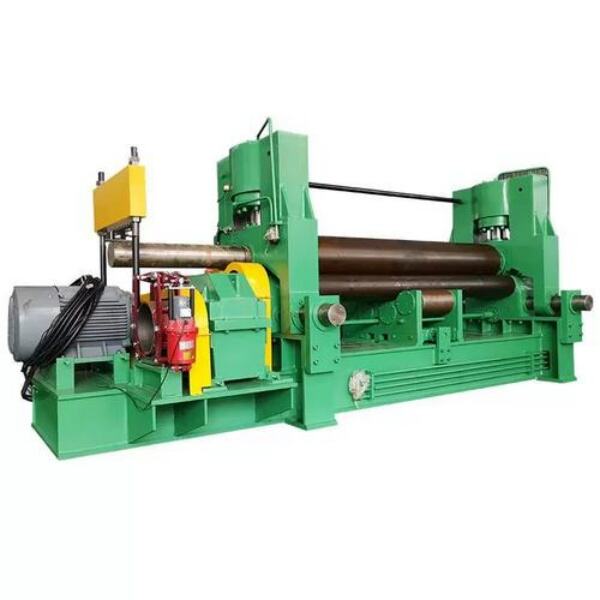
 EN
EN