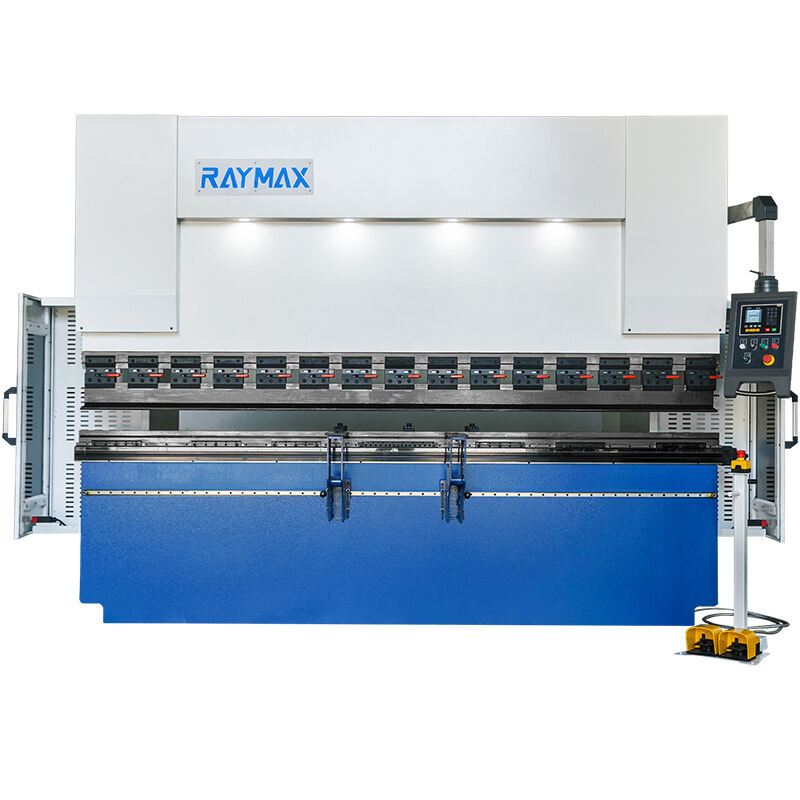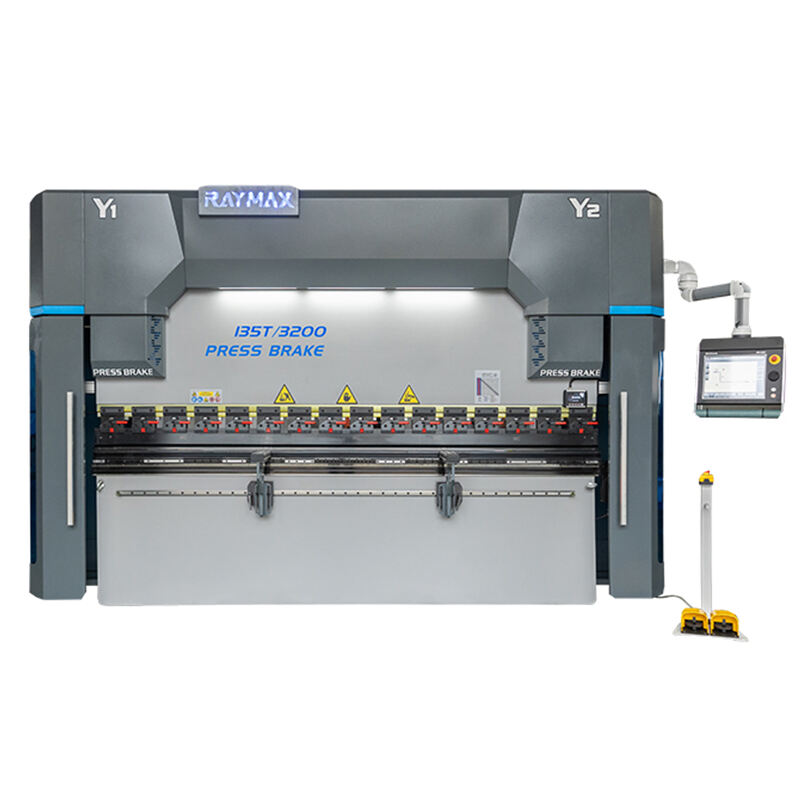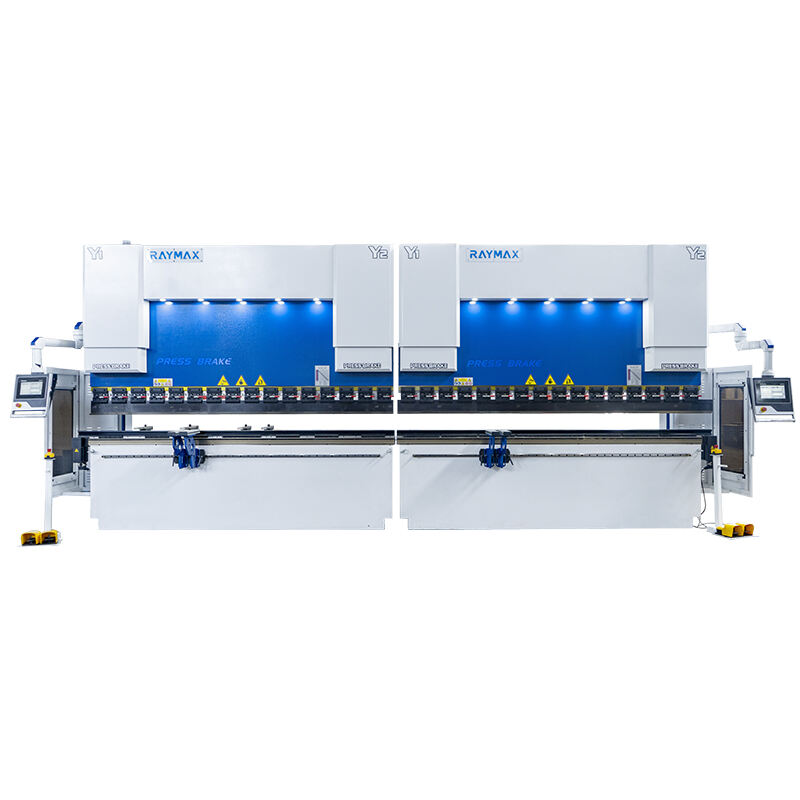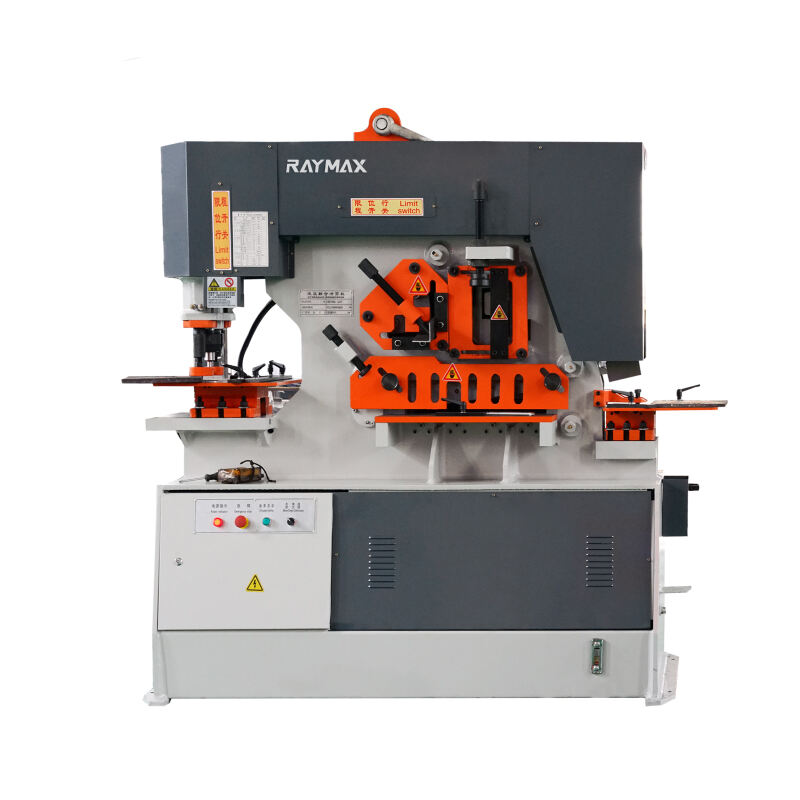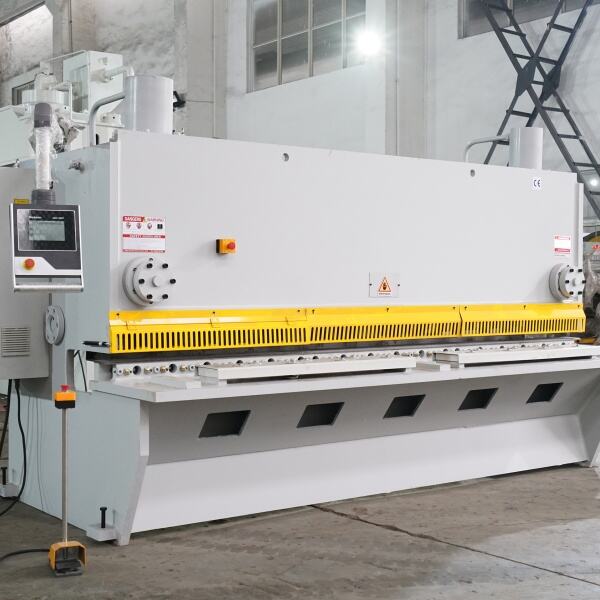
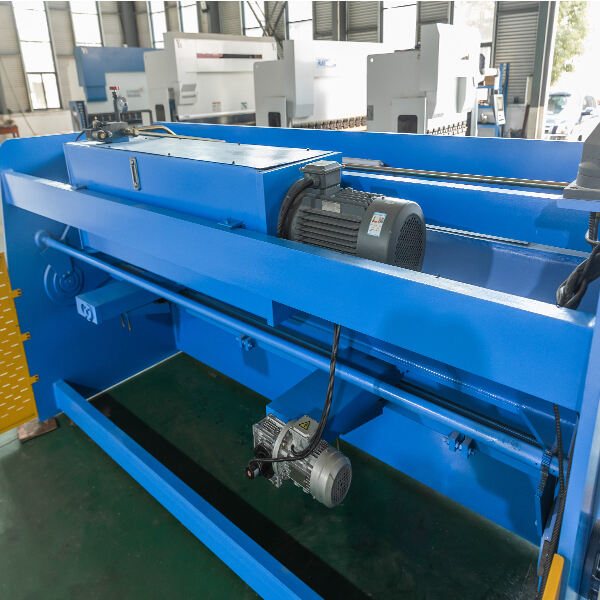
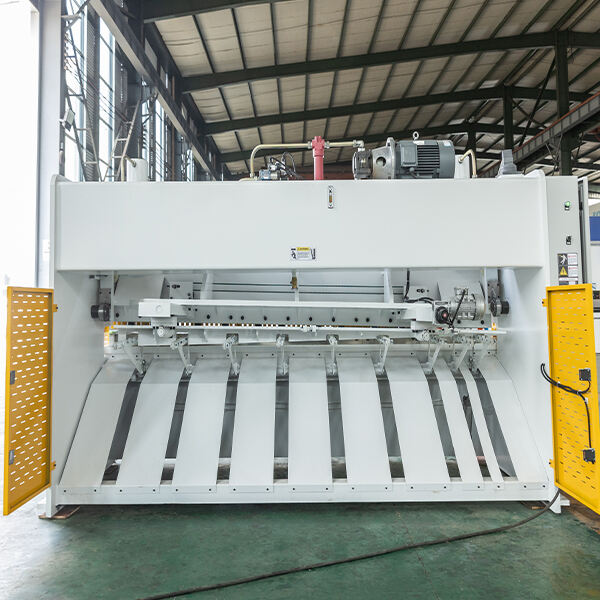
A hydraulic shearing machine operates on the principle of hydraulic pressure to generate the force required to cut through metal sheets and profiles. The machine consists of several key components, including a hydraulic pump, cylinders, a blade, and a worktable. The process begins with the hydraulic pump, which draws hydraulic fluid from a reservoir and pressurizes it. This pressurized fluid is then directed to the hydraulic cylinders, which convert the hydraulic energy into mechanical force. As the cylinders extend, they push the upper blade downward towards the lower blade, which is fixed to the worktable. The metal sheet or profile to be cut is placed between the two blades, and as the upper blade descends, it applies immense pressure to the material, causing it to shear along the cutting line. The design of the blades, including their angle and sharpness, plays a crucial role in determining the quality of the cut. Some hydraulic shearing machines also incorporate features such as adjustable blade gap and backgauge systems, which allow operators to optimize the cutting process based on the thickness and shape of the material being processed. Additionally, modern hydraulic shearing machines often include safety features such as guards and emergency stop buttons to protect operators from potential hazards. For example, a laser-guided cutting system might be integrated into the machine to help operators align the material correctly, reducing the risk of errors and improving cutting accuracy. By understanding how a hydraulic shearing machine works, businesses can make informed decisions when selecting and operating this essential piece of equipment.
27
Nov
27
Nov
27
Nov
27
Nov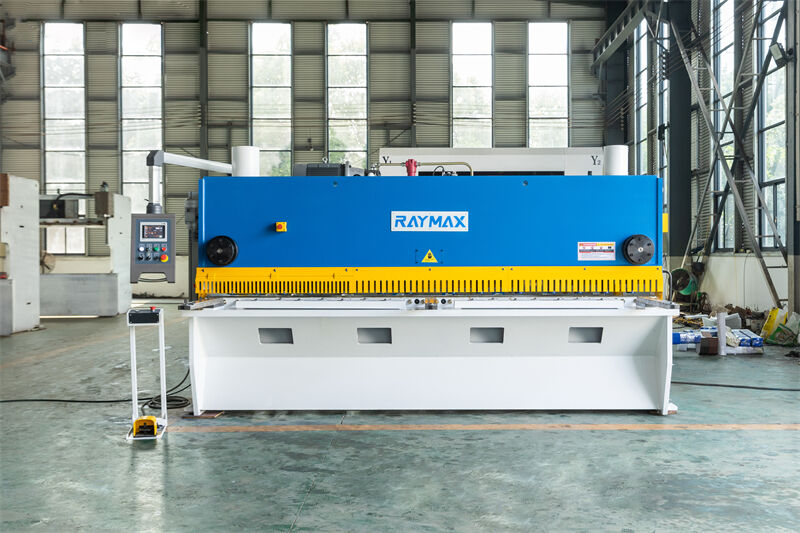
 EN
EN