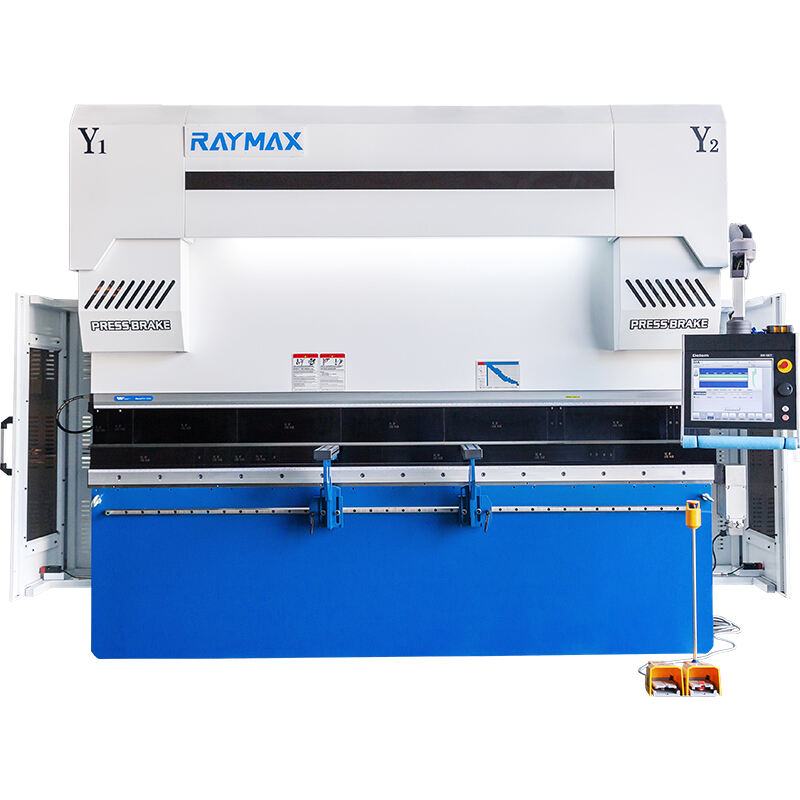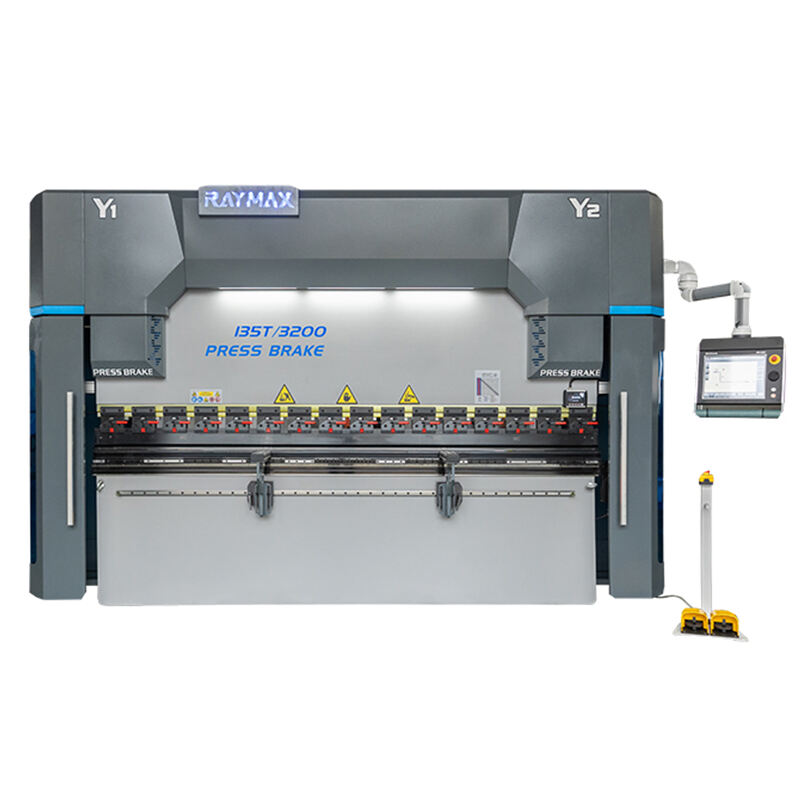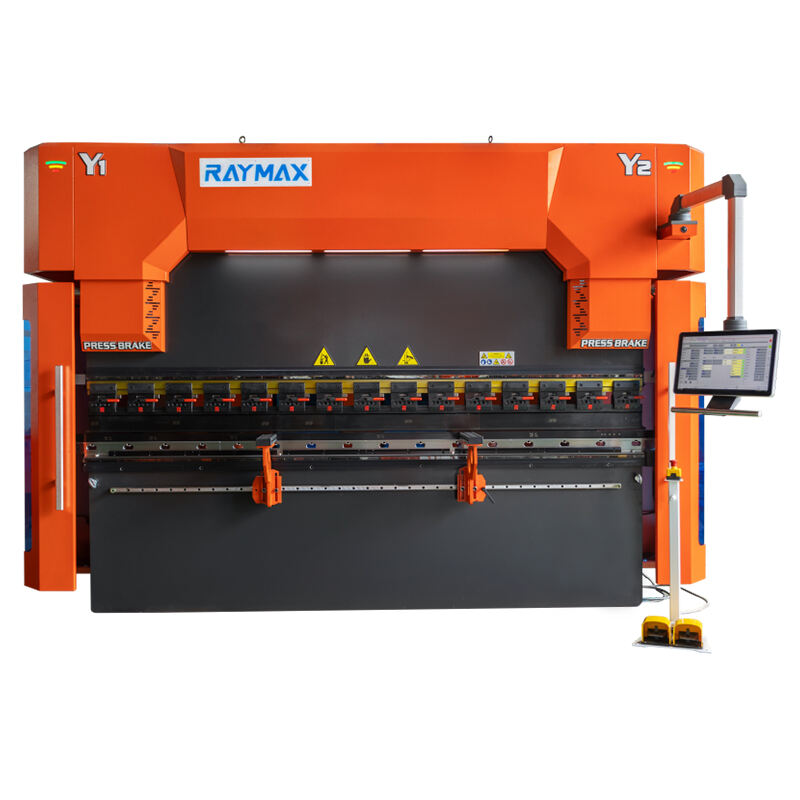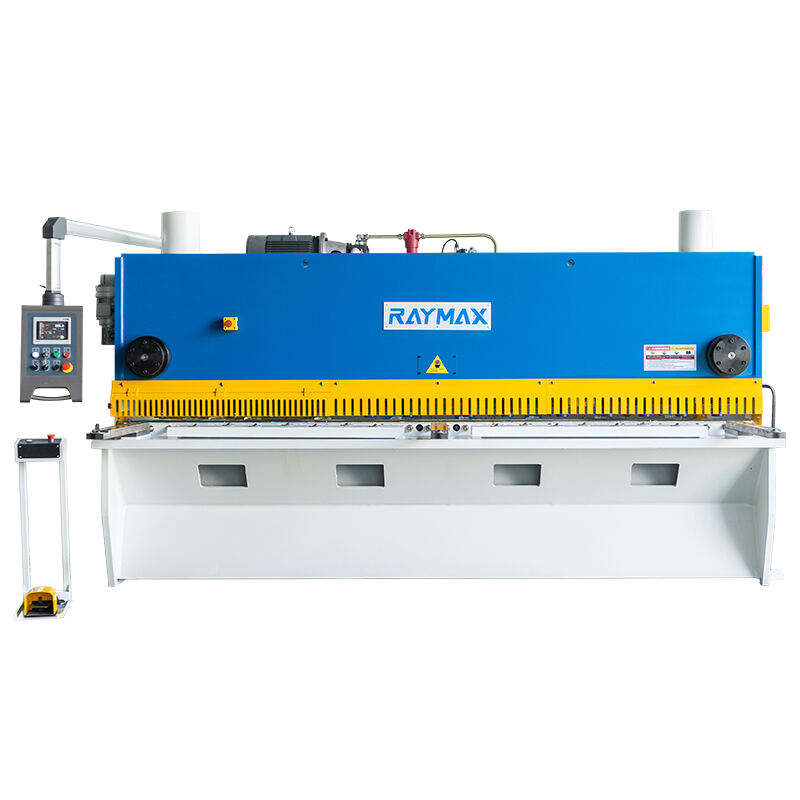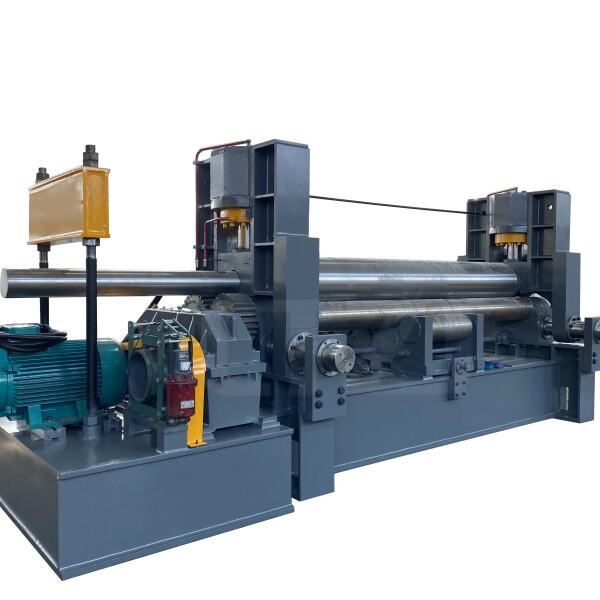
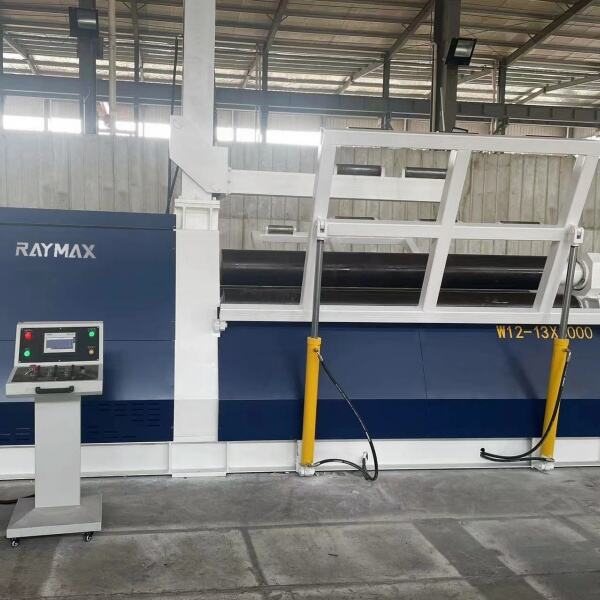
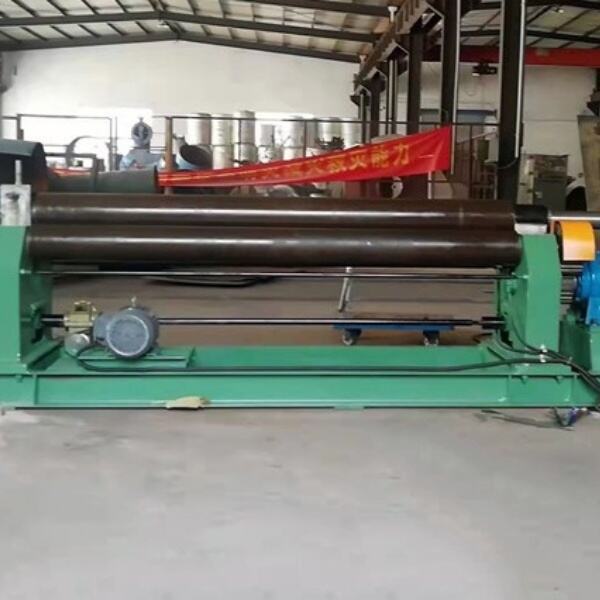
High-efficiency rolling machines are engineered to optimize material processing speed, precision, and energy consumption, making them indispensable in industries such as automotive, aerospace, and construction. These machines integrate advanced automation, servo-driven systems, and real-time monitoring to reduce downtime and enhance throughput. For instance, a leading automotive manufacturer replaced its conventional rolling equipment with a high-efficiency model featuring adaptive pressure control, resulting in a 30% increase in production volume while lowering energy costs by 20%. Key design elements include lightweight yet rigid frames to minimize vibration, rapid tool-change systems for multi-profile processing, and predictive maintenance algorithms that alert operators to potential component failures before they occur. In metal forming applications, these machines excel at processing high-strength alloys like titanium and duplex stainless steel, where traditional equipment may struggle with consistency. The integration of Industry 4.0 technologies, such as IoT connectivity and cloud-based data analytics, further enables remote diagnostics and performance optimization across global production networks. For businesses seeking to scale operations without compromising quality, investing in a high-efficiency rolling machine translates to measurable ROI through reduced labor costs, minimized material waste, and faster time-to-market for finished products.
27
Nov
27
Nov
27
Nov
27
Nov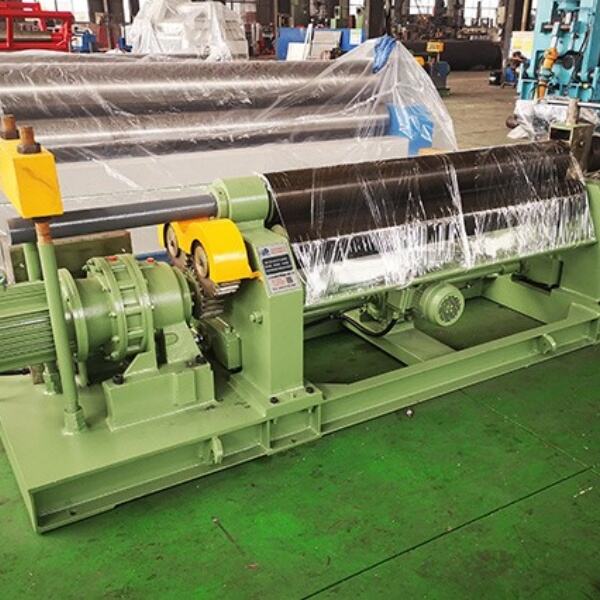
 EN
EN