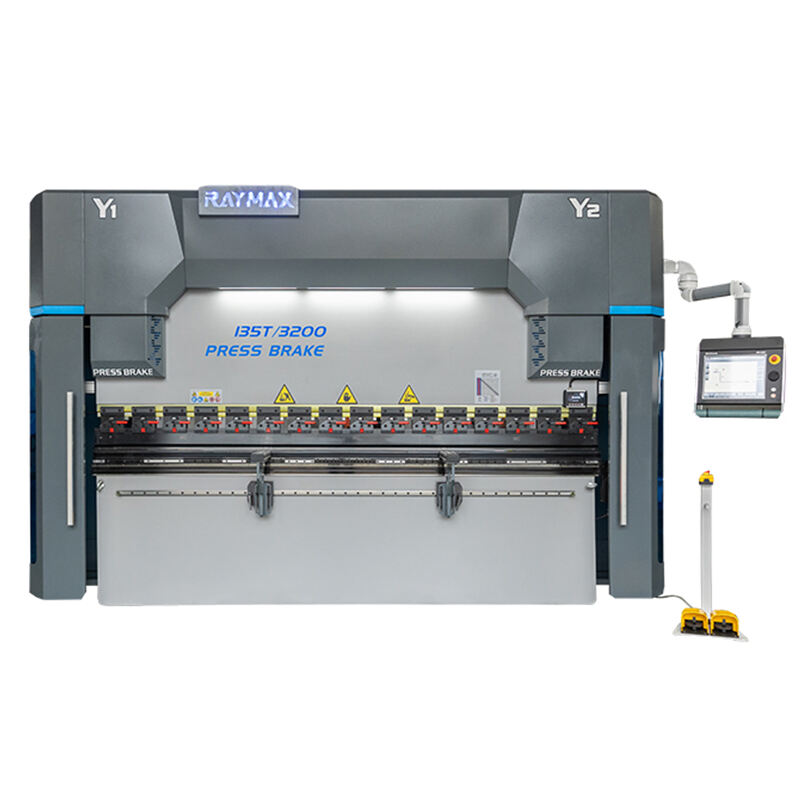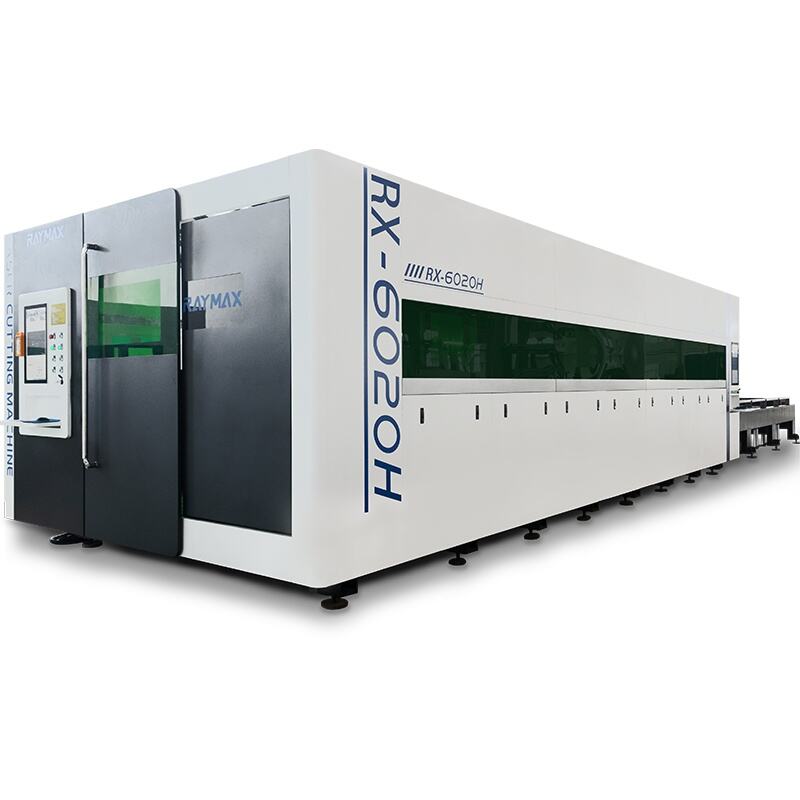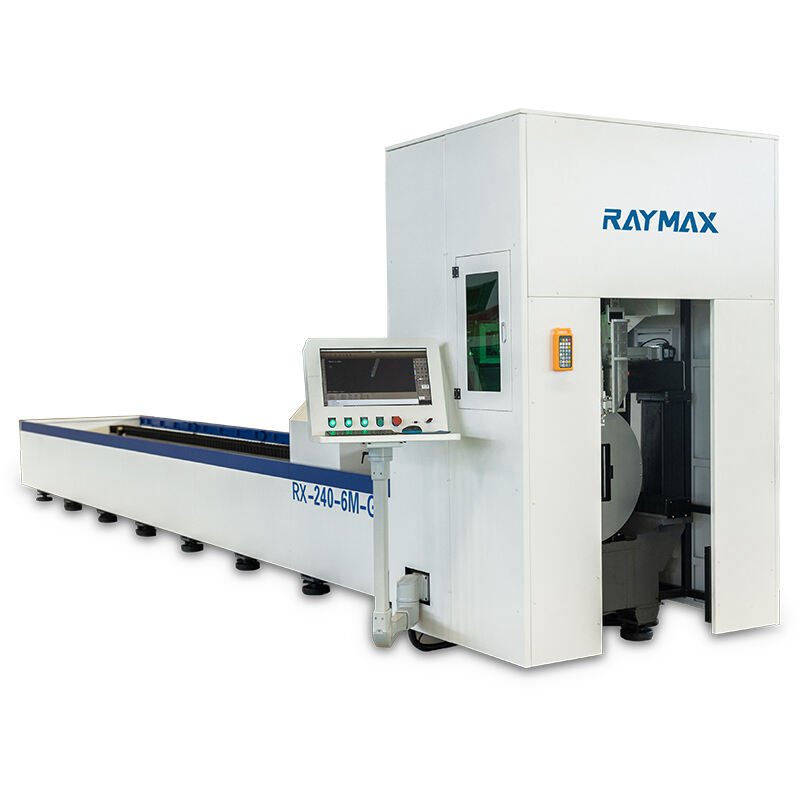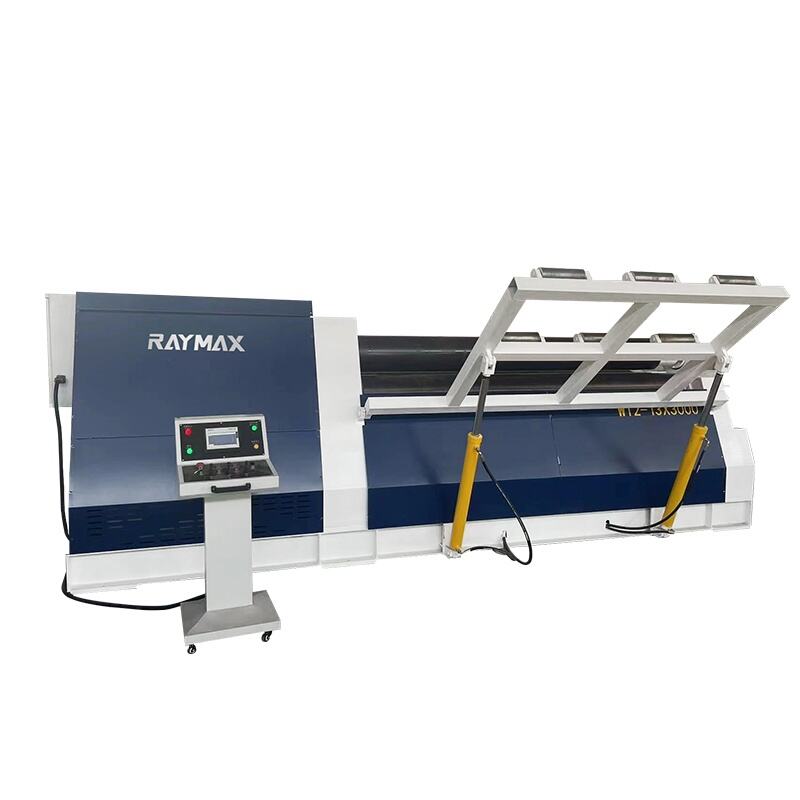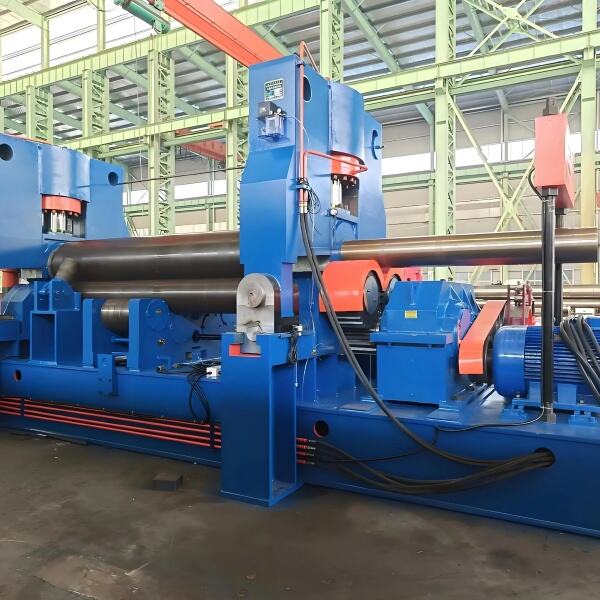
Rolling machines are versatile enough to process a wide range of materials, including ferrous and non-ferrous metals, alloys, and even some composites. Common applications involve carbon steel, stainless steel, and aluminum, which are rolled into tubes, channels, and curved panels for construction, automotive, and aerospace sectors. For instance, our clients routinely roll 6mm-thick 304 stainless steel into cylindrical tanks for food processing equipment, leveraging the machine’s ability to maintain corrosion resistance through precise bending without cracking. Advanced machines can also handle high-strength alloys like Inconel and titanium, which are used in jet engine components and chemical processing vessels due to their heat and chemical resistance. Non-metallic materials such as fiberglass-reinforced plastic (FRP) are increasingly rolled for marine and architectural applications, requiring specialized tooling to prevent surface damage. In a notable case, a renewable energy company used our rolling machine to form 10mm-thick FRP panels into wind turbine nacelle covers, achieving a smooth finish that reduced aerodynamic drag. The key to successful material rolling lies in matching machine specifications—such as roller hardness and lubrication systems—to the material’s properties. For example, copper’s malleability demands lower rolling forces and higher speeds to avoid work hardening, while zirconium’s reactivity with oxygen necessitates inert gas environments during processing. By consulting with our technical team, manufacturers can identify the optimal rolling parameters for any material, ensuring consistent quality and minimizing trial-and-error costs.
27
Nov
27
Nov
27
Nov
27
Nov
 EN
EN