 EN
EN


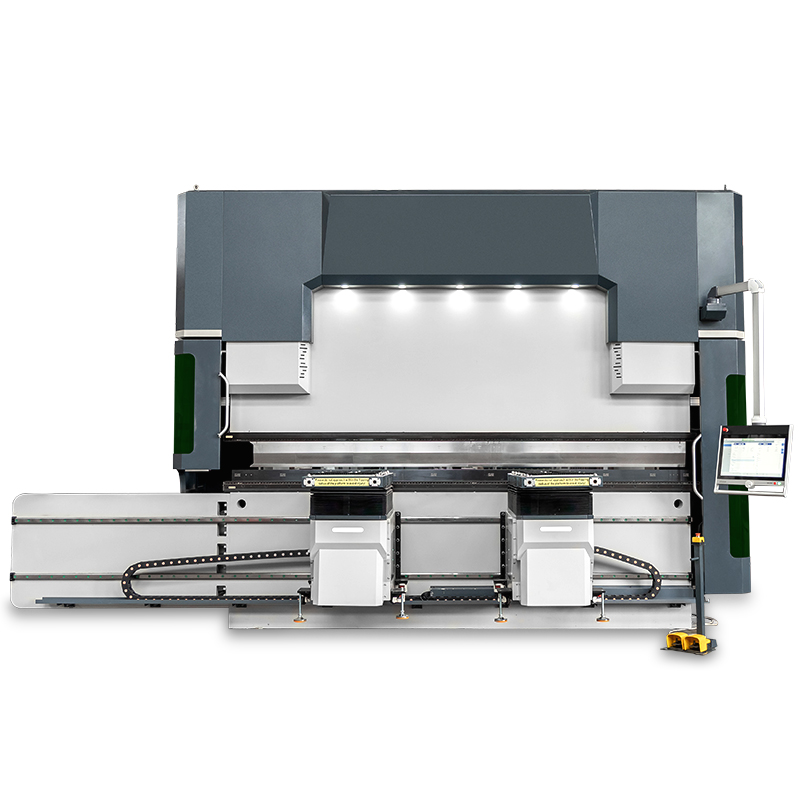
Unlocking Peak Efficiency: Practical Ways to Extend Your Press Brake Lifespan
In the fast-paced world of modern metal fabrication, heavy-duty machinery acts as the beating heart of any busy production floor. When a primary bending machine runs smoothly, fabrication shops maintain steady momentum, hit tight delivery schedules, and protect their bottom line. However, unexpected downtime and premature hardware failure can quickly derail a profitable operation, leaving shop owners scrambling for expensive emergency repairs. Seasoned production managers understand that safeguarding capital investments goes far beyond basic, last-minute upkeep. By adopting proactive preservation strategies, industrial facilities can significantly enhance overall operational efficiency while avoiding costly, frequent replacement cycles. Maximizing equipment endurance requires a smart blend of rigorous technical habits, sharp operator awareness, and high-performance machinery engineered to withstand relentless daily demands.
Mastering Routine Lubrication and Fluid Management
At the core of any high-performance hydraulic setup lies a complex network of valves, cylinders, and moving joints that constantly demand meticulous fluid care. Overlooking basic fluid maintenance is one of the most common catalysts for premature, avoidable wear. Workshop supervisors should establish strict daily checklists focusing heavily on grease levels across guide rails, lead screws, and pivot points.Furthermore, monitoring hydraulic oil health—keeping a close eye on viscosity shifts, moisture accumulation, and particulate buildup—prevents internal scoring and dangerous overheating. Implementing a consistent schedule for replacing filters and refreshing hydraulic fluids keeps internal pressures stable and friction to an absolute minimum. Clean, well-lubricated components absorb heavy shock loads far more effectively, ensuring the entire mechanical assembly operates smoothly across thousands of heavy-duty production cycles without sudden failures.
Precision Tooling Alignment and Care
The relationship between a bending machine and its tooling is entirely symbiotic, meaning that worn or improperly seated punches and dies will rapidly compromise the structural integrity of the entire frame. When tooling falls out of alignment, tonnage distributes unevenly across the work surface, creating severe eccentric loads that stress both the upper ram and the lower beam.Workshop crews should inspect tooling surfaces daily for microscopic chipping, wear patterns, or accumulated debris. Cleaning seating surfaces thoroughly before every setup guarantees accurate seating and precise bending angles. Investing in premium, induction-hardened alloy steel tooling paired with strict alignment protocols dramatically reduces localized stress concentrations, effectively doubling the operational lifespan of both the accessories and the main press brake frame.
Advanced Synchronization and Calibration Protocols
Modern fabrication machinery depends heavily on sophisticated electronic synchronization to coordinate cylinder movement and maintain absolute parallelism across the ram. Over time, repetitive heavy stamping, natural thermal expansion, and normal mechanical settling can introduce subtle calibration drifts that throw off your precision.Integrating routine alignment checks, encoder resets, and parallelism verification into standard maintenance routines is vital for structural equilibrium. Even minor parallelism discrepancies can generate compounding torsional stress throughout the heavy steel frame, leading to cracks over time. By scheduling regular, automated calibration cycles, maintenance teams ensure that bending forces distribute uniformly, preserving the structural rigidity required for demanding industrial applications.
Cultivating Operator Expertise and Best Practices
Even the most robustly engineered machinery remains vulnerable to casual operational habits on the busy shop floor. Comprehensive workforce training stands out as one of the most powerful yet frequently overlooked tools for extending equipment life. Operators must possess a deep, practical understanding of material springback properties, tonnage limits, and the inherent dangers of off-center loading.Skilled operators develop a keen sense for subtle anomalies—such as unusual acoustic feedback, minor pressure fluctuations, or slight tracking variations—long before they escalate into major mechanical disasters. Fostering a culture of continuous learning and strict accountability transforms shop floor personnel into active defenders of plant equipment, directly minimizing human error and accidental overloads.
Engineering Excellence for Long-Term Success
Achieving enduring manufacturing resilience ultimately begins with partnering with a trusted industry leader capable of delivering robust engineering and dependable supply chain support. RAYMAX stands firmly at the forefront of sheet metal machinery manufacturing, offering advanced press brakes designed specifically for extreme durability, heavy-duty reliability, and absolute precision. Utilizing state-of-the-art production technologies, rigorous stress-relieving frame treatments, and globally sourced premium components, RAYMAX delivers industrial solutions that empower fabrication businesses worldwide. Whether upgrading existing shop floors or expanding production capabilities, relying on proven manufacturing expertise ensures long-term operational stability and sustained profitability.
Table of Contents
- Unlocking Peak Efficiency: Practical Ways to Extend Your Press Brake Lifespan
- Mastering Routine Lubrication and Fluid Management
- Precision Tooling Alignment and Care
- Advanced Synchronization and Calibration Protocols
- Cultivating Operator Expertise and Best Practices
- Engineering Excellence for Long-Term Success