 EN
EN


Common Press Brake Die Problems and Solutions
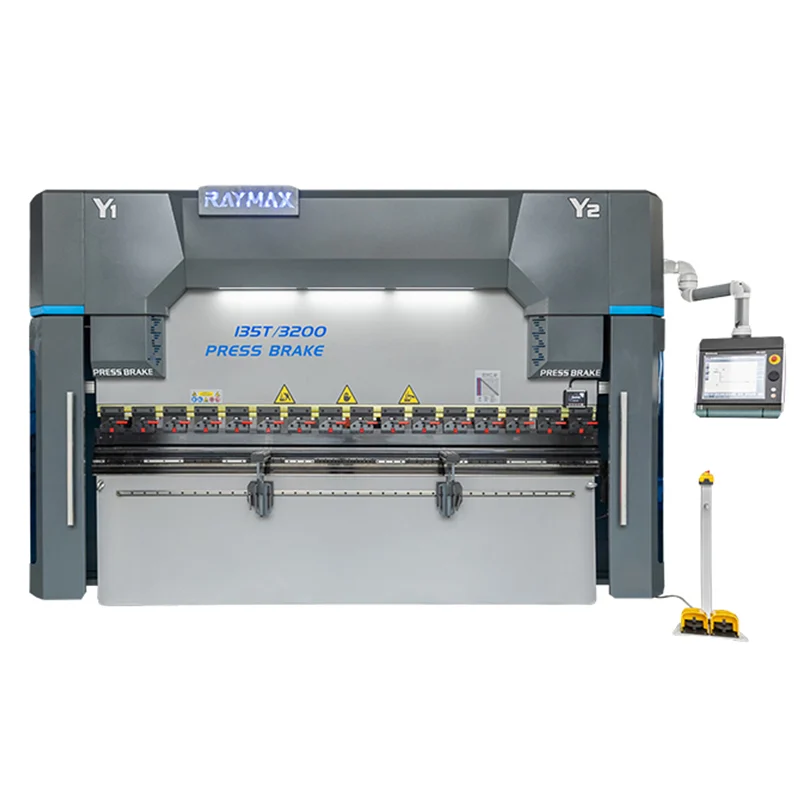
In the demanding field of precision metal fabrication, the longevity and performance of your production line are heavily dependent on the condition of your tooling. At RAYMAX, we recognize that even the most advanced press brake—such as our RX-E series, which features high-rigidity mono-block frames and sophisticated servo-driven technology—is only as effective as the dies installed within it. Tooling wear, misalignment, and improper setup are frequent operational hurdles that lead to production delays, increased scrap rates, and compromised part quality. By developing a deeper understanding of these common challenges, operators can maintain the long-term reliability and extreme precision expected from high-performance industrial machinery.
Addressing Die Surface Wear and Damage
The most frequent issue encountered by shop floor operators is surface wear on the punch tip or the die shoulders. Over time, the intense friction inherent in the bending process can cause "galling," where material from the workpiece adheres to the tool, or rounding of the tool edges, which inevitably results in inconsistent bend angles or unsightly surface markings on your final workpiece. To mitigate this risk, we strongly recommend implementing a rigorous visual inspection schedule for your press brake tooling. If you notice dull edges, burrs, or signs of pitting, immediate action such as polishing the die surfaces or applying a light coating of an appropriate industrial-grade lubricant is necessary, especially when processing sensitive materials like stainless steel. Furthermore, investing in high-quality, hardened, and heat-treated tooling—much like the high-precision components we integrate into our machines—significantly extends the service life and ensures the consistency of your bends over long production runs.
Correcting Punch and Die Misalignment
Even the most sophisticated CNC-controlled machine requires perfectly seated tooling to function correctly. If your punch and die are misaligned, you will inevitably encounter uneven flange widths or skewed, asymmetrical bends that fail to meet tolerance specifications. Often, this is caused by improper clamping techniques or the accumulation of metallic debris or dust in the tool holder. Our machines feature convenient, user-friendly mechanical fast-clamping systems specifically designed to simplify die changes and guarantee maximum security. If you suspect any level of misalignment, always ensure that you clean the tool contact surfaces thoroughly before re-seating the punches or dies. Using a high-quality straight edge to verify the punch centerline against the V-groove is a simple, effective, and professional way to ensure your press brake setup is fully optimized for accurate, high-speed production.
Managing Springback and Angular Variation
Springback is a pervasive physical phenomenon in metal forming where the material attempts to return to its original, flat shape immediately after the bending force is released. This mechanical tendency can lead to "under-bending," where the final angle fails to match your specific engineering blueprints. To effectively solve this, advanced CNC systems, such as the DA-53T or DA-66T controllers standard on our equipment, allow for precise, automated angle correction programming. By utilizing these powerful digital capabilities, operators can easily compensate for material-specific variations and springback factors without the need for time-consuming manual tooling adjustments for every batch. Furthermore, ensuring that your raw material thickness is consistent and strictly within the machine's rated tonnage capacity is the most critical first step toward achieving the high-speed, high-precision results our machines are built to deliver.
The Importance of Preventive Maintenance
Ultimately, the longevity of your production capabilities relies on a consistent and disciplined preventive maintenance schedule. Neglecting daily cleaning procedures or forcing the machine to operate beyond its nominal tonnage limits will significantly accelerate die deterioration and strain the machine's hydraulic system. At RAYMAX, we emphasize that regular maintenance—such as checking the lubrication of all moving parts, inspecting hydraulic hoses for micro-leaks, and ensuring that the machine’s structural rigidity is not compromised by an accumulation of metallic debris—is vital for sustained success.