 EN
EN


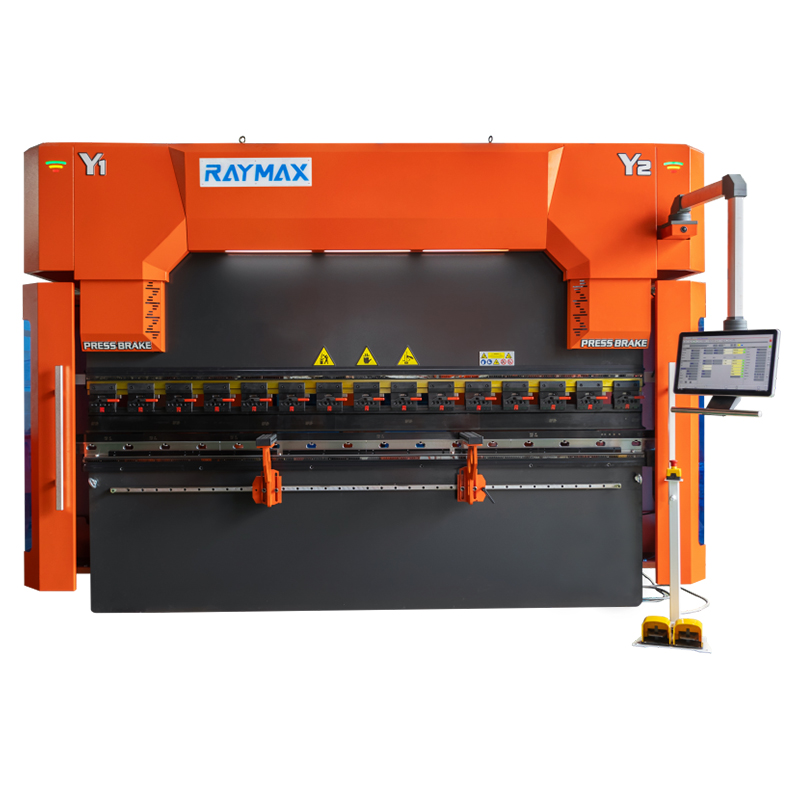
Beyond the Metal: Strategic Machine Selection
In the modern metal fabrication workshop, the press brake is far more than just a tool for bending steel; it acts as the heartbeat of production efficiency and long-term profit. Choosing the wrong equipment can quickly lead to a cycle of maintenance headaches, subpar part quality, and wasted material that eats away at margins. For shop owners and procurement managers, the selection process requires a delicate balance between immediate production goals and the need for future scalability. Drawing from decades of industry experience, it is clear that the most successful shops are those that treat machine acquisition as a strategic partnership rather than a one-time transaction. By focusing on technical integrity, material physics, and seamless workflow integration, manufacturers can ensure that their equipment remains a competitive asset rather than a hidden drain on resources. Investing in the right machinery is the most direct path to staying ahead in an increasingly demanding market.
Calculating Tonnage and Capacity Requirements
The foundation of a reliable machine purchase starts with a deep understanding of the specific material physics that define a shop’s daily workload. Many businesses fall into the trap of overspending on excessive tonnage or, conversely, struggling with underpowered units that simply cannot handle thicker, high-strength alloys. Precision in selecting capacity depends on evaluating the maximum material thickness, the length of the parts being formed, and the required bend radius for various projects. A well-calculated tonnage requirement not only prevents costly equipment damage but also ensures that the machine operates within its most efficient and stable stress range. It is always a wise decision to factor in a buffer for future material types, ensuring the facility is ready for diverse client demands without needing to immediately cycle through a second capital investment. Proper planning at this stage saves thousands in potential retrofit costs.
Precision Control and Advanced Bending Systems
The true value of a high-performance press brake lies in the intelligence of its computer numerical controller and the sophistication of its mechanical compensation systems. Today’s fabrication standards demand a level of repeatability that far exceeds the capabilities of manual, entry-level machinery. Features such as dynamic crowning, which actively compensates for machine deflection during the bend, are essential for maintaining a perfectly uniform angle across the entire length of the part. Furthermore, the sophistication of the axis control—whether it is a standard machine or a highly complex multi-axis system—defines how quickly a shop can transition from prototype development to high-volume production. Investing in an intuitive, feature-rich controller reduces the learning curve for operators, enabling shops to produce intricate components with minimal scrap and consistently high-accuracy outcomes that impress even the most demanding customers.
Efficiency, Ergonomics, and Operating Costs
While flashy technical specifications often capture initial attention, the total cost of ownership is what truly keeps a shop profitable over the long haul. Efficient press brakes go beyond raw speed; they incorporate energy-saving drive systems and thoughtful ergonomic designs that minimize operator fatigue. Since the workforce represents the most valuable asset in any facility, machines that prioritize user comfort—such as easy-access pedal controls and well-illuminated, intuitive work zones—directly improve both accuracy and daily safety. Additionally, considering the ease of routine maintenance and the availability of responsive technical support is a vital aspect of building lasting trust. A machine that is easy to service and supported by a dedicated partner ensures that the shop floor stays productive during even the busiest production seasons, shielding the business from the unpredictable and frustrating costs of mechanical downtime.
Preparing for Growth Through Automation
For many metal shops, the ultimate goal is to bridge the gap between traditional manual bending and fully automated production lines. A forward-thinking selection process considers not just current workflows, but the ability to add modular upgrades in the future. Modern press brakes often support integration with robotic handling or advanced material loading, allowing shops to evolve their capabilities as they grow. Opting for a machine with a flexible, modular architecture means that the business can scale its output without having to replace its primary assets. This strategic foresight allows manufacturers to remain agile, capable of switching between low-volume, custom jobs and massive production runs with minimal mechanical reconfiguration. Staying ahead of the curve means having equipment that evolves alongside the business.
The RAYMAX Advantage: Engineered for Excellence
When selecting a press brake, the manufacturer’s commitment to quality and supply chain reliability is the final, deciding factor. RAYMAX understands that global fabrication shops operate under intense pressure, where reliability is the only acceptable standard. By leveraging extensive manufacturing expertise and a robust global supply chain, RAYMAX delivers press brakes that combine industrial-grade durability with the latest in precision technology. Every machine is crafted to meet the diverse needs of modern workshops, from custom hydraulic systems to intelligent control interfaces. By choosing RAYMAX, facilities gain more than just hardware; they secure a long-term partner dedicated to technical performance, engineering support, and operational stability. With the backing of a proven leader in metal forming technology, shops can focus on what they do best: creating high-quality components that drive the entire industry forward.