 EN
EN


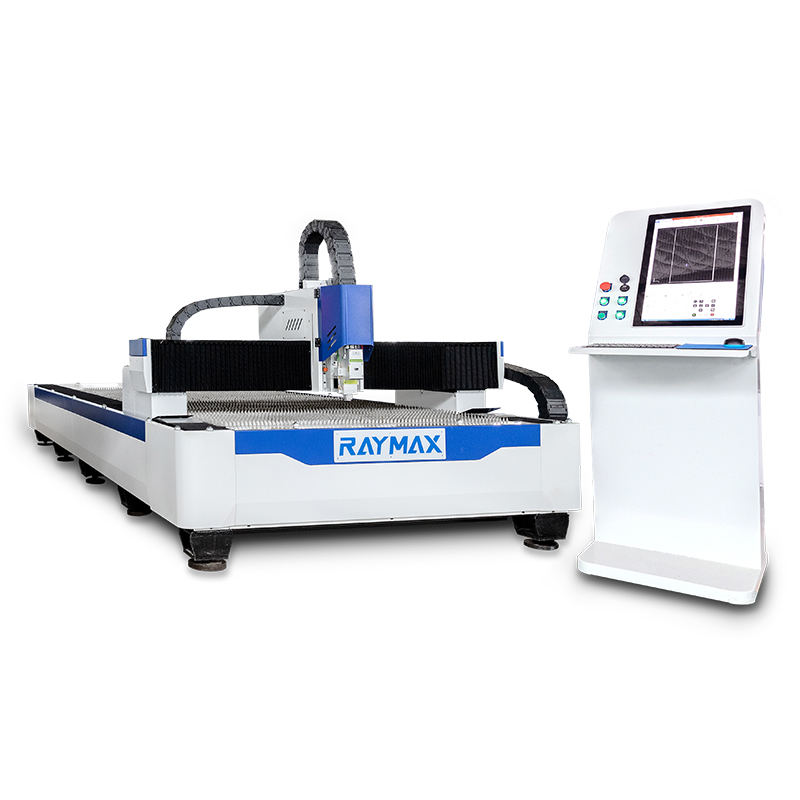
Mastering the Balance of Industrial Throughput
In the fast-moving world of modern metal fabrication, the fiber laser cutting machine serves as the engine of production. For manufacturing shops, the goal is often a tricky paradox: achieving the absolute highest cutting speed without sacrificing the edge quality that clients demand. Achieving this balance is not just about turning up the power; it is an intricate science involving material physics, thermal management, and machine control. Professionals who have spent years on the factory floor know that machines capable of mastering this equilibrium are the ones that drive true business growth. By moving beyond basic settings and fine-tuning the synergy between hardware and process parameters, shops can transform their output from standard to superior. Investing in high-performance equipment that treats speed and precision as equal partners is the first step toward long-term operational success.
Decoding Beam Quality and Power Dynamics
When selecting or operating a fiber laser, there is a common misconception that higher wattage always equals better performance. While power is essential for cutting through heavy plate, beam quality is the true engine of precision. State-of-the-art machines utilize advanced fiber delivery systems that maintain a concentrated, stable focal point, even during rapid, high-speed traverse motions. This stability ensures that the cutting kerf remains narrow and consistent, regardless of the geometry being processed. From a technical perspective, focusing on how the laser source manages heat distribution within the cutting zone is critical. When the beam is properly controlled, it minimizes the heat-affected zone, preventing material warping and ensuring that every part matches the design requirements with extreme accuracy. A machine that prioritizes beam stability over raw, unrefined power will always deliver higher quality finished components.
Optimizing Process Parameters for Peak Performance
Cutting speed is often wasted if the final output requires secondary deburring or finishing work. To maximize both throughput and quality, operators must become masters of process parameter optimization. This involves a precise orchestration of pulse frequency, duty cycle, and nozzle stand-off distance. In real-world manufacturing scenarios, increasing the cutting speed for thin-gauge sheets often requires a higher pulse frequency to ensure the material vaporizes cleanly before the laser head advances. Conversely, complex contours require tighter control over cornering speeds to avoid thermal buildup that can ruin a fine edge. By systematically testing and saving material-specific libraries in the machine’s controller, shops can achieve repeatable excellence, reducing idle time and ensuring that every second of machine operation translates into a sellable, high-quality product.
The Strategic Role of Assist Gases
The choice of assist gas is frequently the deciding factor between a mediocre edge and a polished, ready-to-weld finish. Whether utilizing oxygen for the exothermic cutting of mild steel or nitrogen for the pristine, oxide-free edges required by stainless steel and aluminum, understanding the pressure dynamics is vital. High-pressure nitrogen cutting relies on the gas to blow away molten metal at high velocities, which is why nozzle design and alignment are so paramount. By maintaining a clean, contaminant-free gas supply and utilizing intelligent flow controllers, manufacturers can maximize their cutting speed and quality without incurring the heavy costs of post-process cleaning. Professional knowledge of gas dynamics and pressure management is exactly what separates a top-tier fabrication shop from the rest of the pack, directly impacting the bottom line.
Leveraging Automation for Consistent Output
In high-volume industrial environments, manual handling is the enemy of efficiency. The integration of automatic pallet changers, material loading systems, and intelligent nesting software allows a fiber laser to operate near its theoretical maximum capacity. Automation does not just save labor; it ensures that the machine spends the vast majority of its time cutting rather than waiting for human intervention. Furthermore, modern control systems that feature real-time health monitoring can anticipate maintenance needs, preventing the costly, unexpected downtime that plagues older, manually operated setups. By investing in a system that emphasizes automated flow, shop owners can scale their production capability reliably, knowing that the machine will maintain the same level of speed and precision from the first part of the day to the last.
The RAYMAX Commitment to Precision Manufacturing
When looking for a partner in metal forming solutions, the focus must remain on reliability, engineering integrity, and long-term support. RAYMAX understands that global manufacturers require more than just a machine; they need a robust, long-term solution that integrates safety and performance into every stage of the production process. Through extensive manufacturing expertise and a commitment to precision, RAYMAX provides industrial-grade fiber laser cutters that incorporate the latest technology, from advanced optical monitoring to intelligent, user-friendly control systems. By prioritizing these performance features, RAYMAX empowers facilities to optimize their output while maintaining a secure, highly efficient work environment. Relying on the deep supply chain capabilities and technical support provided by RAYMAX allows businesses to scale their operations with the confidence that their machinery is built to protect their production quality and drive growth in a competitive global market.