 EN
EN


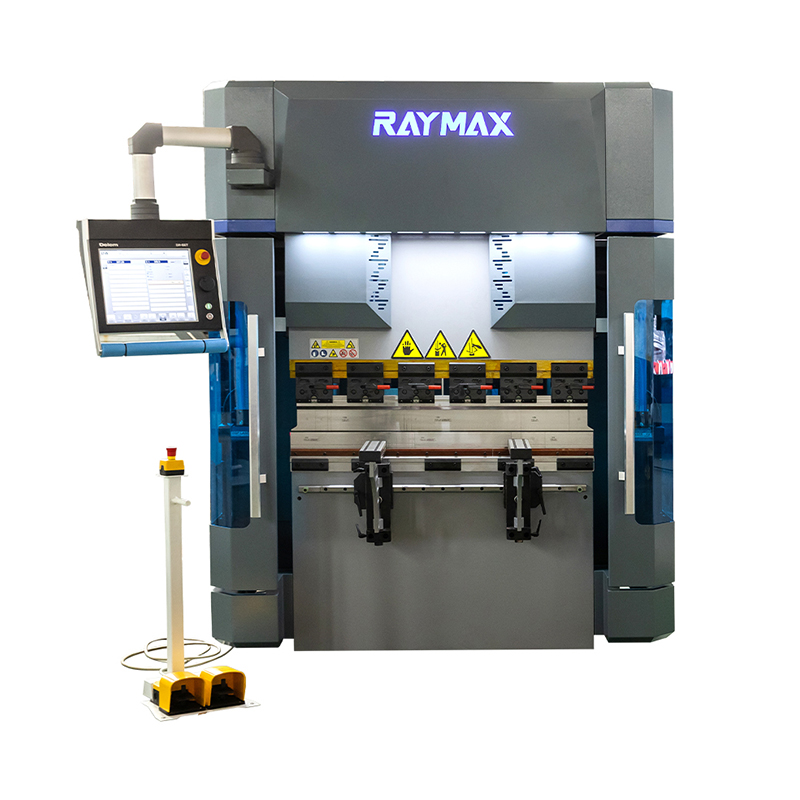
Prioritizing Operational Reliability on the Shop Floor
In the demanding world of industrial metal forming, the press brake is the undeniable engine of productivity. However, the raw force required to manipulate heavy-gauge steel carries inherent risks that demand a proactive approach to safety. For operations managers and shop owners, safety is far more than a regulatory hurdle; it is the fundamental framework that ensures long-term profitability. Machines that prioritize operator protection tend to see significantly higher uptime, lower insurance costs, and improved employee morale. Selecting the right equipment requires a deep understanding of how integrated safety technology keeps production moving without compromising the speed or precision that modern manufacturing environments require. When businesses invest in machinery that emphasizes safety as a core design principle, they are effectively safeguarding their future output.
The Role of Advanced Laser Sensing Systems
Modern operator protection has evolved far beyond the clunky physical barriers of the past. Today, state-of-the-art press brakes utilize sophisticated laser-based sensing systems that create an invisible, dynamic shield around the primary work zone. These systems are highly effective because they monitor the area near the punch and die with incredible speed. Unlike older mechanical systems that frequently required constant adjustment and slowed down the cycle time, modern optical solutions allow operators to work close to the bending area with total confidence. By utilizing light-based detection, the machine can distinguish between the material being formed and an operator's hand, ensuring that the process stops instantly if an intrusion is detected. This technology keeps the production cycle fluid while maintaining a zero-tolerance policy toward workplace accidents, allowing teams to maintain high throughput without the fear of preventable injuries.
Precision Backgauge Control for Material Consistency
Efficiency in metal fabrication is built on the foundation of repeatability. A frequently overlooked safety and quality feature is the intelligence of the backgauge system. If a sheet of metal is not seated perfectly against the stops before the ram begins its descent, the potential for dangerous material movement or deformation increases significantly. High-end press brakes now incorporate advanced sensor-based backgauge monitoring that verifies material placement before allowing the cycle to proceed. This prevents the operator from having to manually hold or adjust the sheet during the bend, keeping their hands safely away from the danger zone. When the backgauge is integrated into the machine’s central controller, it ensures that every bend is calculated, verified, and performed with absolute consistency, protecting both the equipment and the personnel operating it. Reliable backgauging is not just about precision; it is a critical layer of defense against handling errors.
Fail-Safe Hydraulic and Control Redundancy
The internal architecture of a press brake dictates its true reliability. A machine might look sturdy from the outside, but its ability to respond to failures determines how safe it remains during high-intensity shifts. Industrial-grade press brakes feature multi-layered hydraulic and electronic redundancy. If the control system detects even a minor discrepancy in valve pressure or ram speed, it immediately triggers a fail-safe mode that locks the machine in a secure state. This technical depth prevents uncontrolled ram movement, which is the most critical risk in metal bending. By building these safeguards into the core hydraulic circuit, manufacturers ensure that the machine remains stable, predictable, and fully controlled, even during the most demanding, high-volume production cycles. Such redundancy is essential for modern facilities that need to run multi-shift operations without constant mechanical concern.
Ergonomic Design and Its Impact on Safety
Safety is not limited to avoiding direct contact with the machine; it also involves managing the long-term physical demands placed on the workforce. An ergonomic design is essentially a safety feature because it directly combats the operator fatigue that leads to preventable mistakes. Features such as height-adjustable pedal controls, clear and intuitive touch-screen interfaces, and streamlined material handling trays allow operators to maintain a natural posture throughout their shift. When an operator is comfortable and the controls are placed within an efficient reach, they stay alert and focused on the task at hand. By reducing the physical strain on the workforce, shops can maintain higher levels of accuracy and output, proving that human-centric design is a critical component of a safe and successful manufacturing facility. Investing in ergonomic comfort is a strategic move that pays off in both worker retention and product quality.
Strengthening Industrial Capabilities with RAYMAX
When choosing a partner for metal forming solutions, the focus must remain on reliability and engineering integrity. RAYMAX understands that global manufacturers require more than just a machine; they need a robust, long-term solution that integrates safety into every stage of the production process. Through extensive manufacturing expertise and a commitment to precision, RAYMAX provides industrial-grade press brakes that incorporate the latest safety innovations, from advanced optical monitoring to intelligent control systems. By prioritizing these safety features, RAYMAX empowers facilities to optimize their output while maintaining a secure work environment. Relying on the deep supply chain capabilities and technical support provided by RAYMAX allows businesses to scale their operations with the confidence that their machinery is built to protect their most valuable assets: their employees and their production quality. Ultimately, choosing a supplier that understands the gravity of industrial safety is the most effective way to secure a competitive advantage in the global market.