 EN


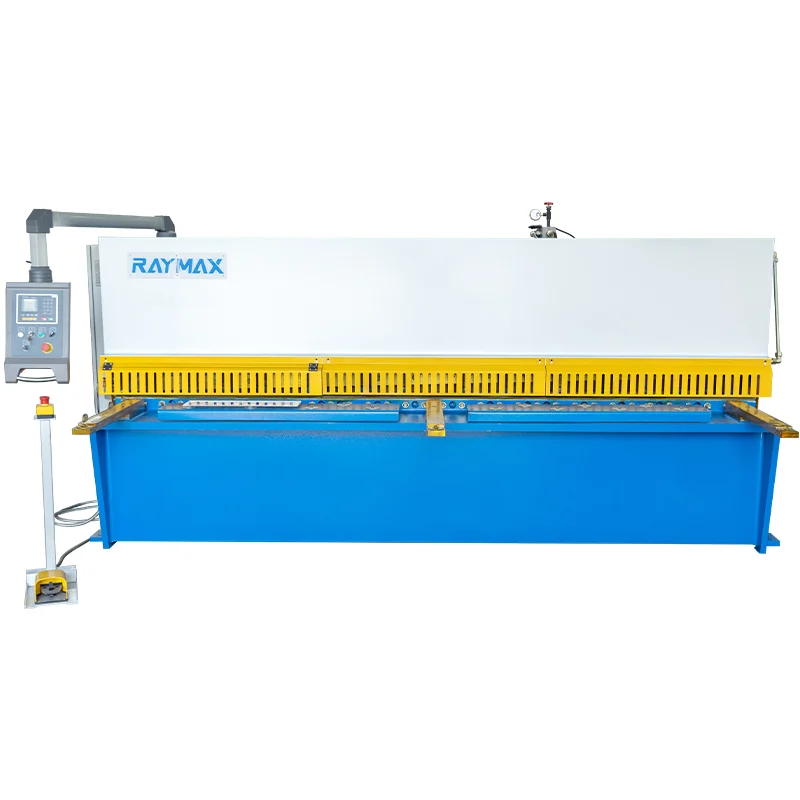
The Real Challenge Behind Clean Industrial Cuts
Stepping into any busy sheet metal fabrication workshop, you quickly realize that the quality of your finished metal components depends heavily on the very first cut. Whether you are building heavy structural frames or sleek architectural facades, the metal shearing machine acts as the true heartbeat of the entire production floor. Yet, many workshop managers frequently run into frustrating problems like premature blade wear, ragged edges, or sudden chipping, often assuming the machine itself is losing hydraulic power. In most cases, the real culprit isn't the machine tonnage at all; it is a simple mismatch in blade metallurgy. Slicing through carbon steel versus cutting stainless steel places entirely different thermal and mechanical pressures on the cutting edge. Mastering these material differences is the secret to keeping your shop running smoothly and protecting your heavy capital investments.
Decoding Carbon Steel and Its Tough Tooling Demands
Carbon steel remains the absolute go-to material for general fabrication because it offers a fantastic balance of strength, predictable behavior, and cost-effectiveness. However, shearing carbon steel plates—ranging from low-carbon structural sheets to high-tensile variants—demands blades built with serious wear resistance and high compressive strength. Through years of hands-on workshop experience, fabricators know that cutting thick carbon steel creates intense frictional heat and abrasive wear right along the shear face. To prevent the cutting edge from micro-chipping under this constant pounding, shops rely on blades forged from high-carbon, high-chromium tool steels, such as D2 or equivalent high-alloy grades. These specialized materials maintain their rock-solid hardness even when things heat up, ensuring that every single cut stays razor-sharp across thousands of grueling production cycles.
Tackling Stainless Steel Work-Head-On Challenges
Working with stainless steel introduces a completely different set of engineering hurdles that can easily catch inexperienced operators off guard. Stainless steel is famous for its tendency to work-harden rapidly the moment mechanical stress is applied. As the shear blade presses down, the material directly ahead of the cut instantly becomes harder and tougher, putting massive shock loads on the cutting edge. If your blades are too brittle, they will shatter; if they are too soft, the edges will round over in no time. Consequently, shearing stainless steel requires blades forged from shock-resistant alloy steels paired with specialized heat treatments that balance toughness with extreme wear resistance. Operators also have to dial in tighter clearance gaps to keep the stainless sheet from dragging or forming unwanted burrs, safeguarding both component quality and the machine frame.
The Fine Art of Blade Clearance and Edge Geometry
Even the finest, most expensive tool steel will fail prematurely if your machine's blade clearance and rake angle are set incorrectly. Veteran machine operators understand that blade clearance is never a set-it-and-forget-it setting; it must be adjusted dynamically based on the exact material type and sheet thickness you are feeding through. Because stainless steel possesses higher tensile strength and a stronger elastic recovery compared to carbon steel, it requires a carefully calibrated clearance gap to fracture cleanly without excessive roll-over. Setting the right gap prevents the metal from getting painfully squeezed between the blades instead of shearing cleanly. Proper adjustments also lower the overall cutting force required, protecting the hydraulic system of your metal shearing machine from unnecessary strain and thermal distortion.
Engineering Excellence and Global Support Through RAYMAX
Achieving flawless, burr-free cuts across widely varying material batches takes more than just buying great blades; it requires a robust, high-precision industrial metal shearing machine built to uncompromising standards. As a trusted leader in sheet metal machinery, RAYMAX designs and manufactures advanced shearing systems engineered for extreme rigidity, reliability, and precision. Backed by strict international quality standards like ISO and CE, RAYMAX provides customizable machine configurations equipped with premium-grade alloy blades tailored specifically for both carbon and stainless steel processing. Beyond delivering exceptionally rugged machinery, RAYMAX ensures that fabricators worldwide receive comprehensive technical guidance, custom tooling solutions, and a dependable global supply chain network, giving your workshop the exact spare parts and expert backing it needs to operate at peak efficiency.
Maximizing Long-Term ROI Through Smart Tool Maintenance
Investing time and thought into selecting the correct blade metallurgy and keeping your clearances precisely adjusted is a foundational strategy that directly boosts your bottom line. In an industry where raw material expenses constantly fluctuate, minimizing scrap rates and eliminating tedious secondary grinding operations translates into massive financial savings. By pairing high-performance cutting blades with a reliable, precision-engineered metal shearing machine from an established manufacturer like RAYMAX, fabrication businesses can future-proof their operations against shifting market demands. Proper tool care, combined with smart operational habits, guarantees consistent production quality, protects your equipment, and secures a lasting competitive edge in the global manufacturing arena.
Table of Contents
- The Real Challenge Behind Clean Industrial Cuts
- Decoding Carbon Steel and Its Tough Tooling Demands
- Tackling Stainless Steel Work-Head-On Challenges
- The Fine Art of Blade Clearance and Edge Geometry
- Engineering Excellence and Global Support Through RAYMAX
- Maximizing Long-Term ROI Through Smart Tool Maintenance