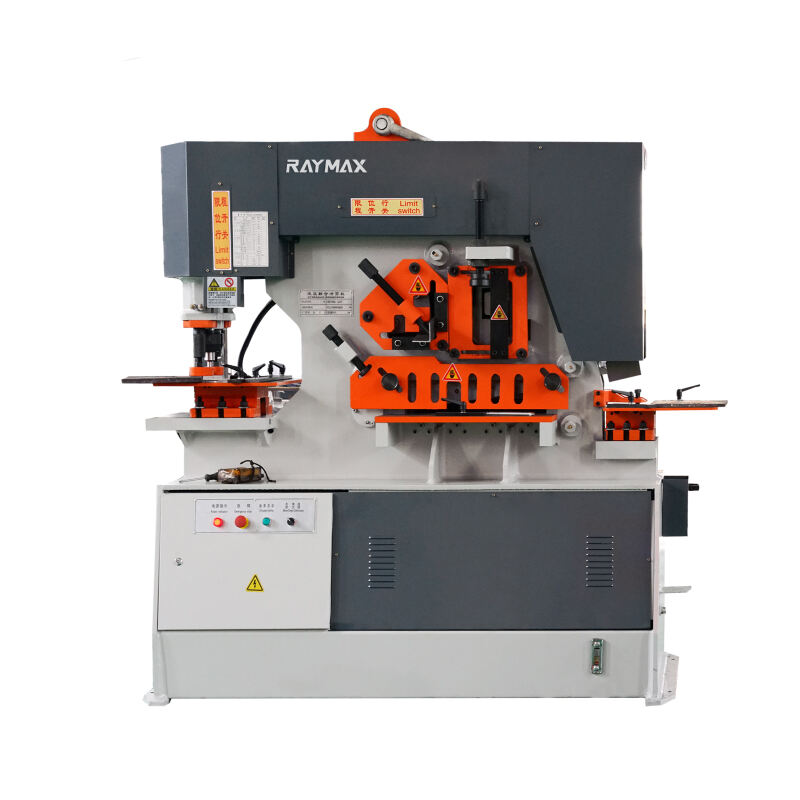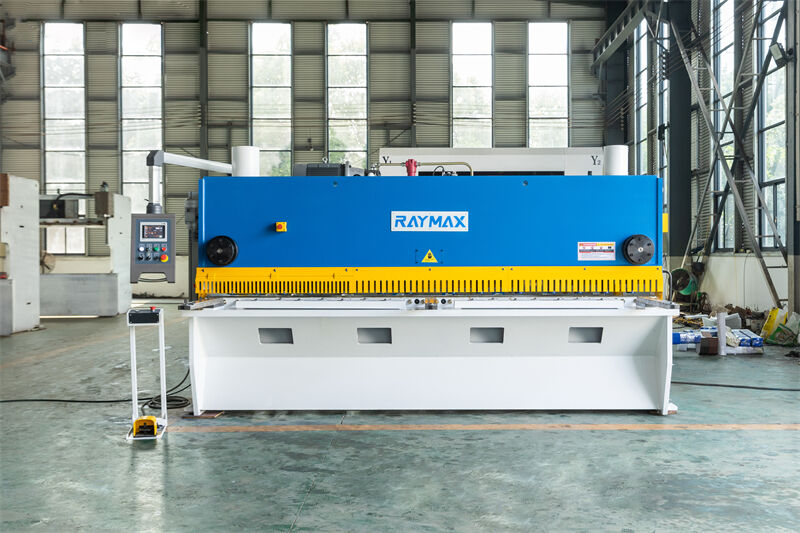
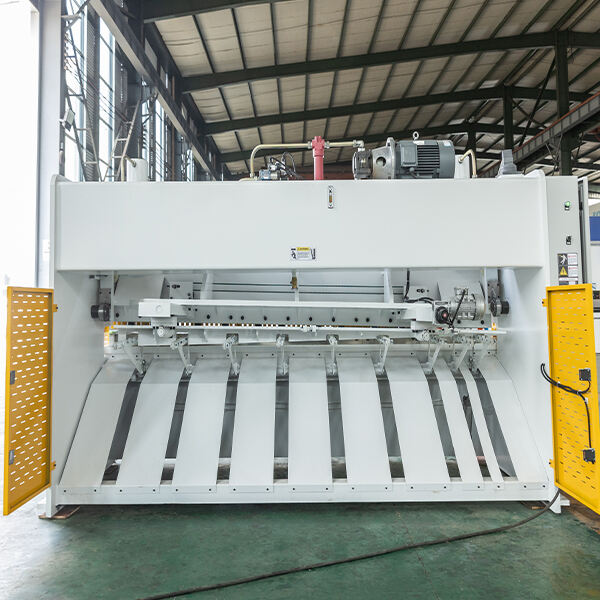
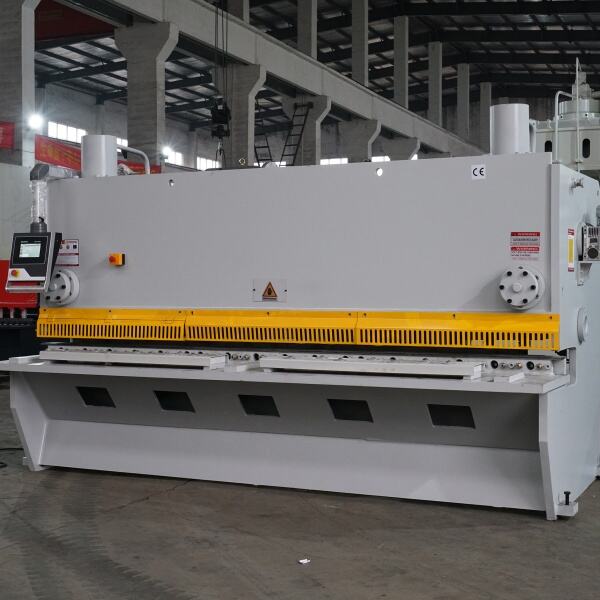
Proper maintenance of a shearing machine is essential to ensure longevity, safety, and optimal performance. Start by establishing a daily maintenance routine that includes cleaning the machine bed, removing metal chips, and lubricating moving parts such as guide rails, ball screws, and bearings. Use high-quality industrial lubricants recommended by the manufacturer to prevent wear and corrosion. For hydraulic shears, check the oil level in the reservoir regularly and replace the hydraulic fluid every 2,000 operating hours or as specified in the manual. Inspect hoses and seals for leaks, as hydraulic fluid contamination can damage the system. Monthly maintenance should involve inspecting the blades for wear and sharpening or replacing them as needed. Dull blades increase cutting force requirements, leading to premature machine failure. Adjust the blade clearance according to the material thickness to maintain clean cuts and reduce stress on the machine. Check the electrical system for loose connections, damaged wires, and overheating components. Verify that safety devices like emergency stops, light curtains, and interlocks are functional. Quarterly, perform a thorough inspection of the machine’s structural integrity, including the frame, ram, and bed. Look for cracks, deformations, or loose bolts that could compromise stability. Align the back gauge and front support arms to ensure accurate cuts. Annual maintenance should include a professional service by certified technicians to disassemble critical components, clean internal parts, and replace worn-out seals or gaskets. Update the machine’s software if it’s CNC-controlled to benefit from the latest features and bug fixes. Case Study: A metal fabrication company in Australia reduced downtime by 40% after implementing a preventive maintenance program for their hydraulic shearing machine, extending its lifespan by 8 years.
27
Nov
27
Nov
27
Nov
27
Nov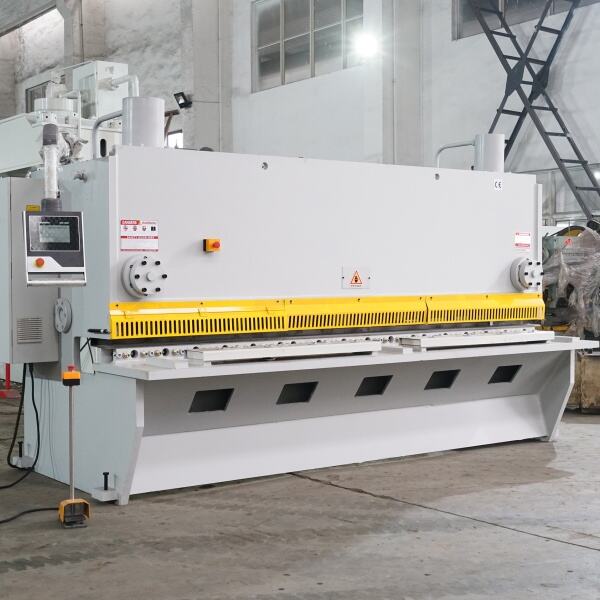
 EN
EN