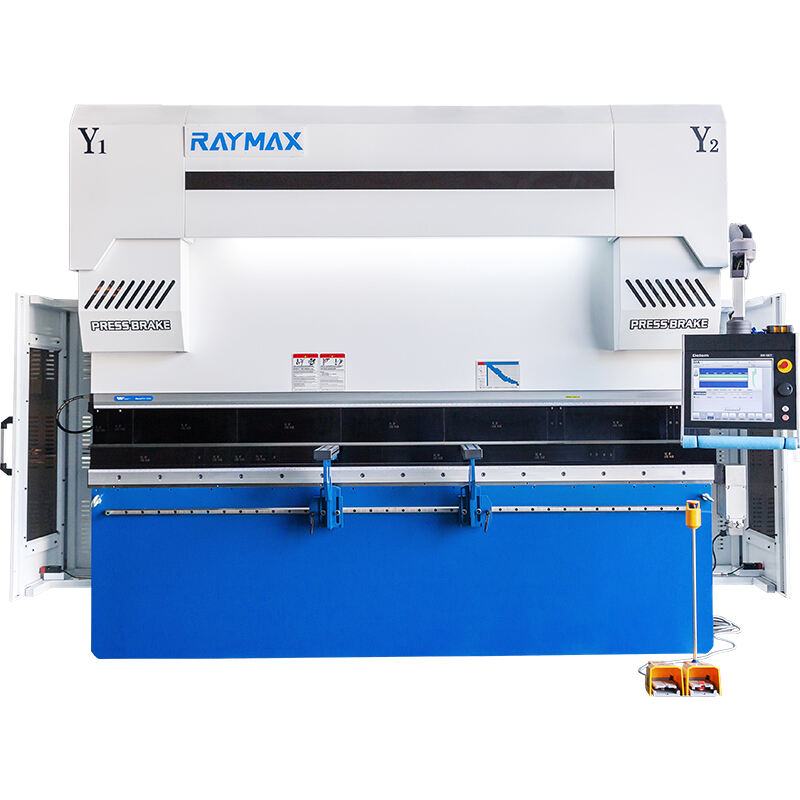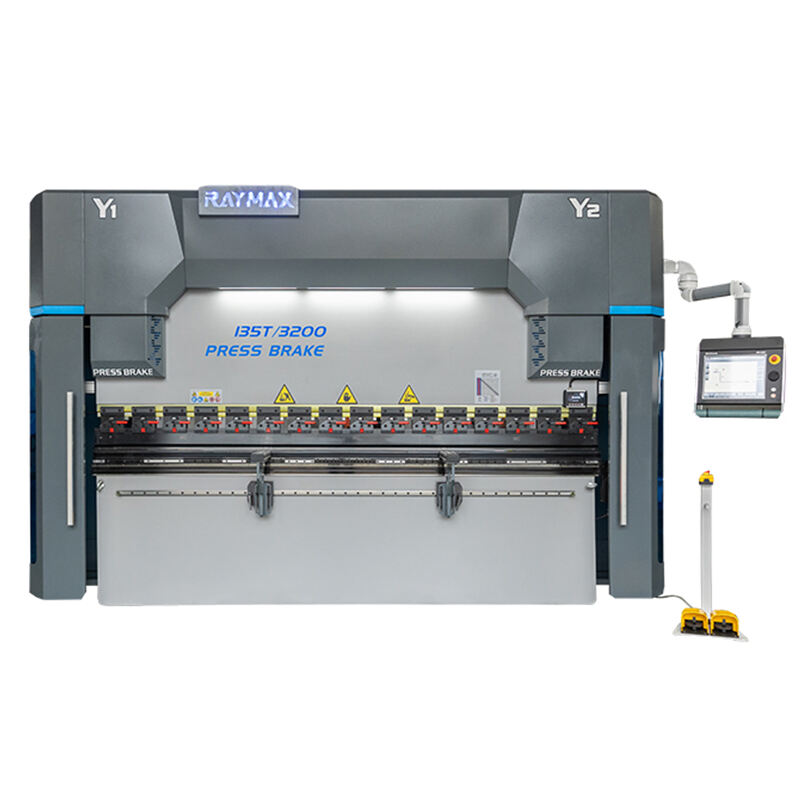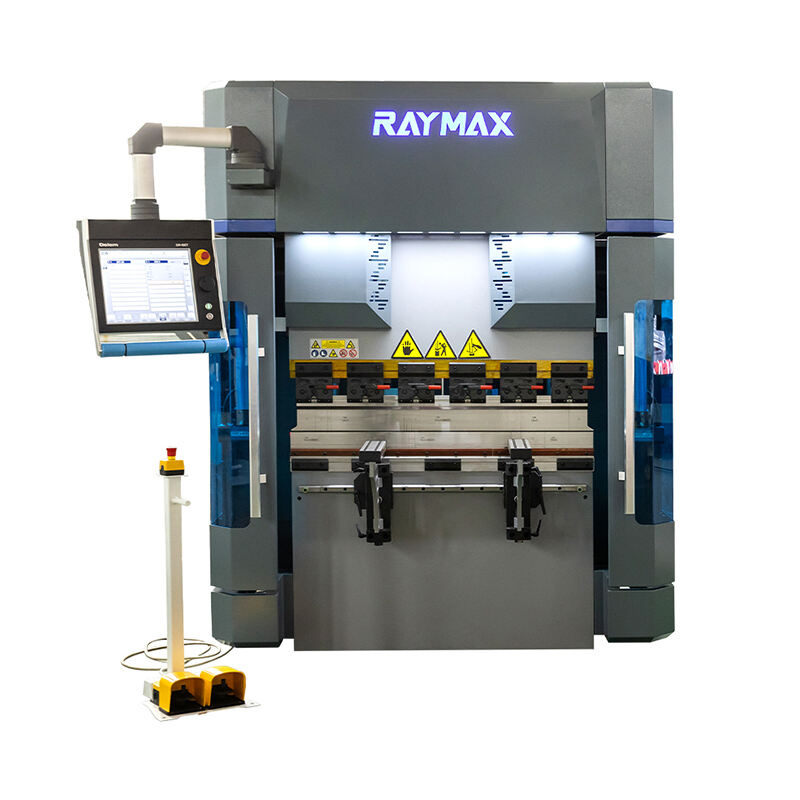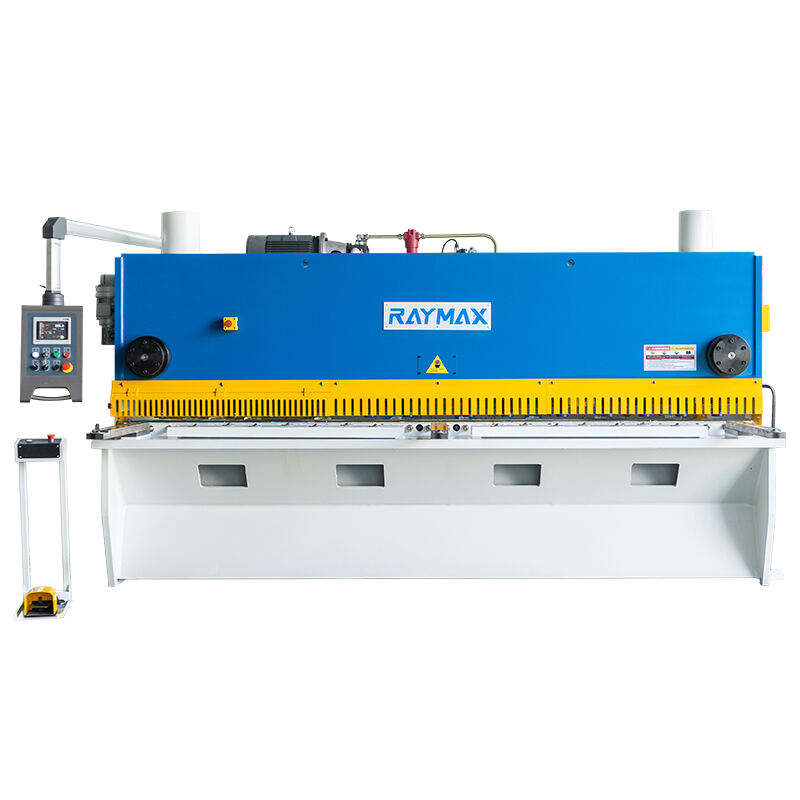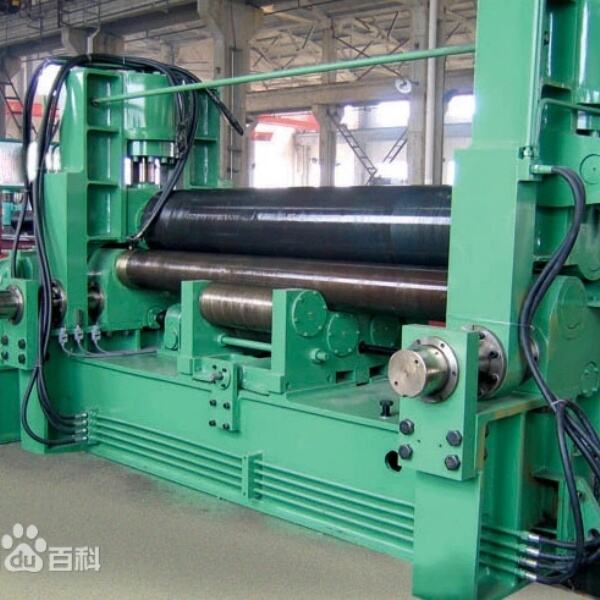
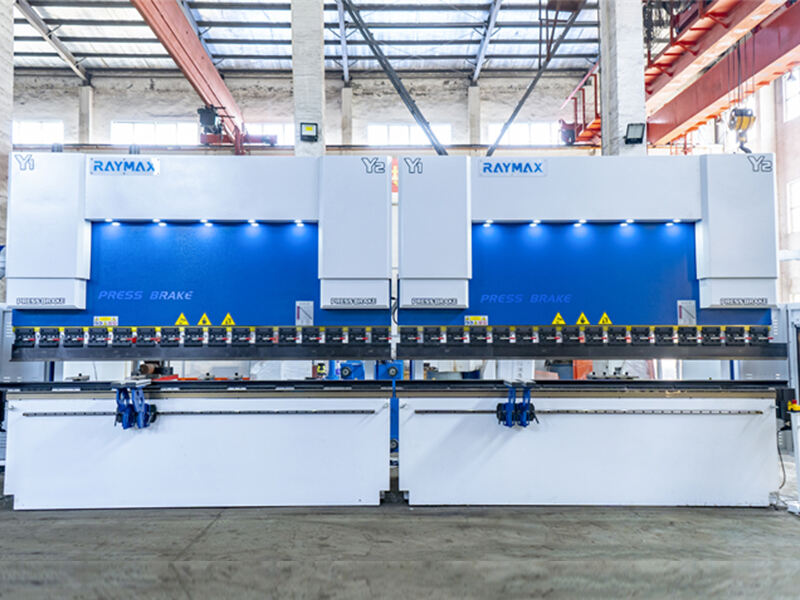
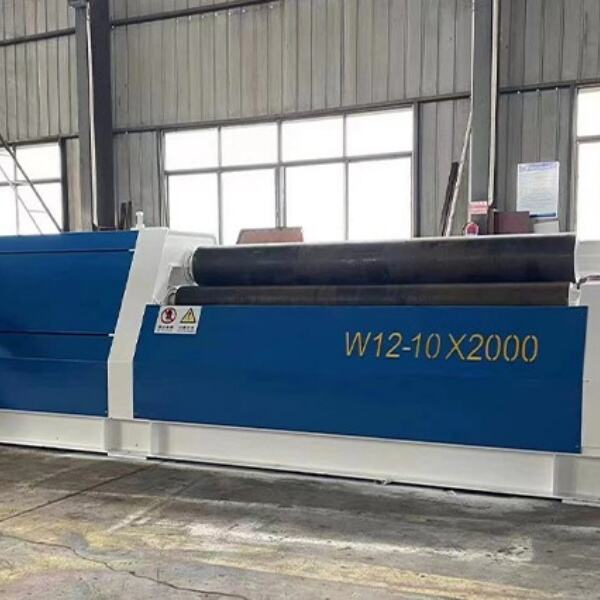
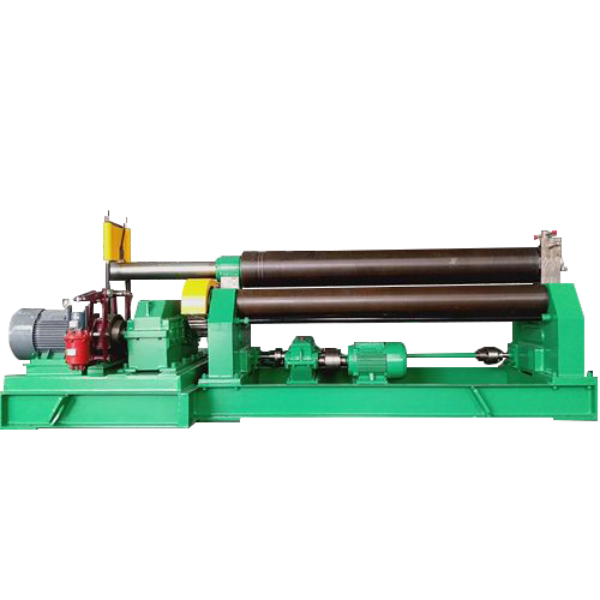
The benefits of using a rolling machine span productivity, quality, and cost-efficiency across metalworking industries. Firstly, rolling machines enable precise curvature control, eliminating the variability associated with manual bending methods. This is critical in applications like automotive exhaust systems, where consistent bend radii ensure proper fitment and airflow. Secondly, automation capabilities reduce labor costs—a single operator can manage multiple machines equipped with CNC controls, compared to the multi-person teams required for traditional press brakes. Thirdly, rolling machines minimize material waste by allowing incremental adjustments during the bending process, whereas press braking often results in scrap from over-bending or misalignment. For example, a furniture manufacturer switching to a rolling machine reduced steel scrap rates from 12% to 3%, saving $45,000 annually on raw materials. Additionally, rolling machines support just-in-time production by enabling rapid reconfiguration for different part geometries, reducing inventory holding costs. Energy efficiency is another advantage; hydraulic rolling machines consume up to 40% less power than mechanical presses for equivalent tasks. From a safety perspective, enclosed rolling zones and automated material handling systems mitigate operator exposure to hazards like flying debris. For businesses aiming to enhance competitiveness, adopting rolling technology translates to faster throughput, higher first-pass yields, and compliance with international quality standards such as ASTM and DIN.
27
Nov
27
Nov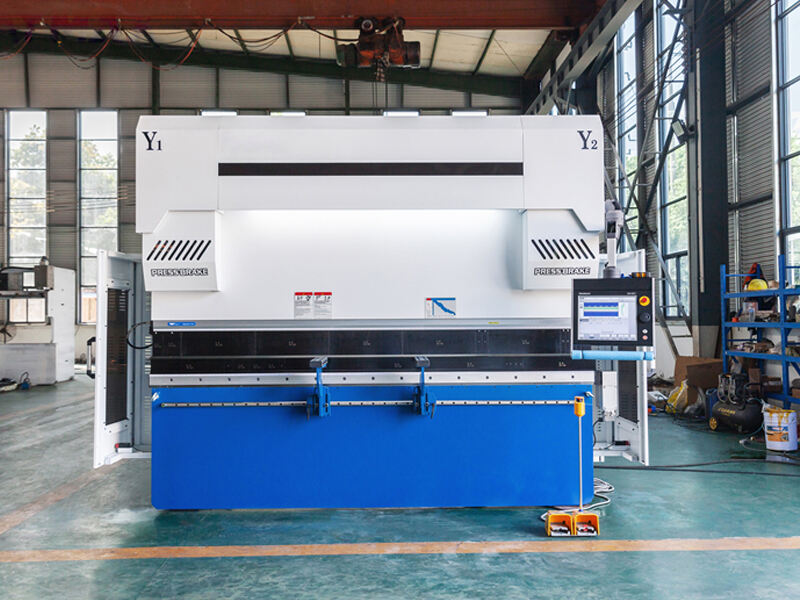
27
Nov
27
Nov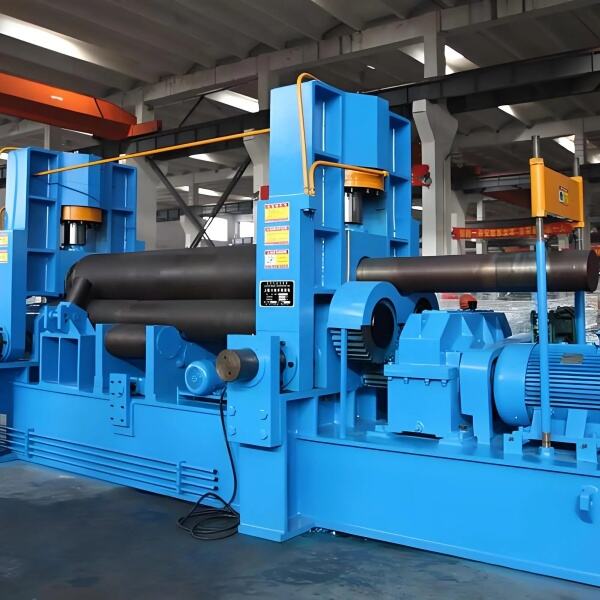
 EN
EN