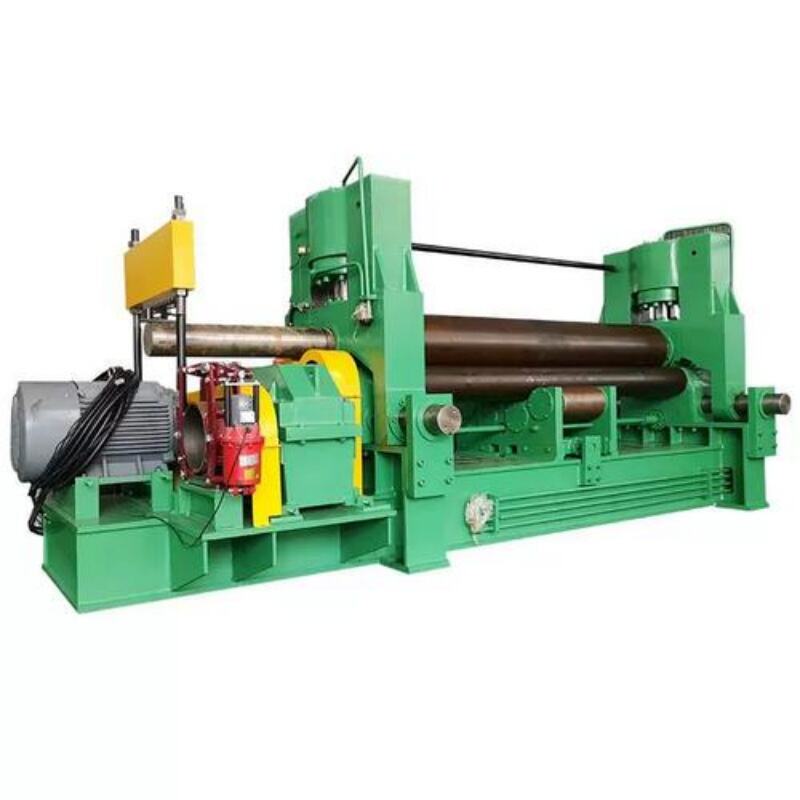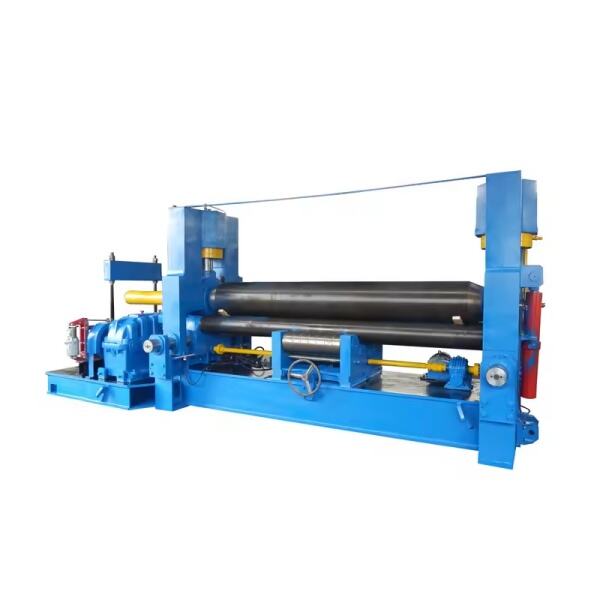
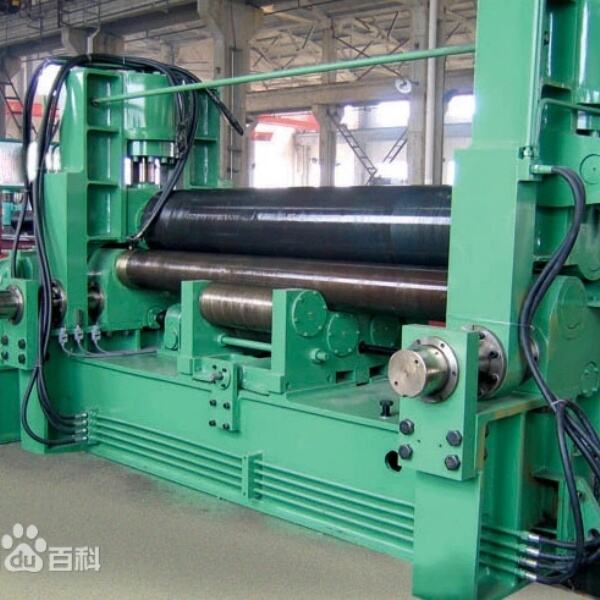
Increasing the efficiency of a rolling machine involves optimizing operational parameters, maintenance practices, and workflow integration. Firstly, implementing predictive maintenance using IoT sensors can detect early signs of wear, such as abnormal vibration or temperature spikes, allowing proactive component replacement before breakdowns occur. For example, a steel fabricator reduced downtime by 25% by installing vibration analyzers on their rolling machine’s bearings. Secondly, calibrating the machine regularly ensures consistent bend angles—a misaligned top roll can cause material slippage, leading to rework. Thirdly, upgrading to CNC controls enables automated job sequencing, reducing setup times between different profiles. A case in point: a trailer manufacturer switched to CNC-controlled rollers and cut changeover times from 45 minutes to 8 minutes per shift. Operator training is equally critical; skilled personnel can adjust parameters like rolling speed and pressure based on material properties, preventing defects like orange peeling or cracking. Additionally, integrating auxiliary equipment such as automated material feeders and laser-guided positioning systems streamlines production, particularly for high-volume runs. Energy efficiency gains can be achieved by retrofitting older machines with variable-frequency drives (VFDs), which adjust motor speed to match load requirements, cutting power consumption by up to 30%. Finally, adopting lean manufacturing principles, such as 5S workplace organization, minimizes time wasted searching for tools or materials. By combining these strategies, manufacturers can maximize rolling machine throughput while maintaining high-quality standards.
27
Nov
27
Nov
27
Nov
27
Nov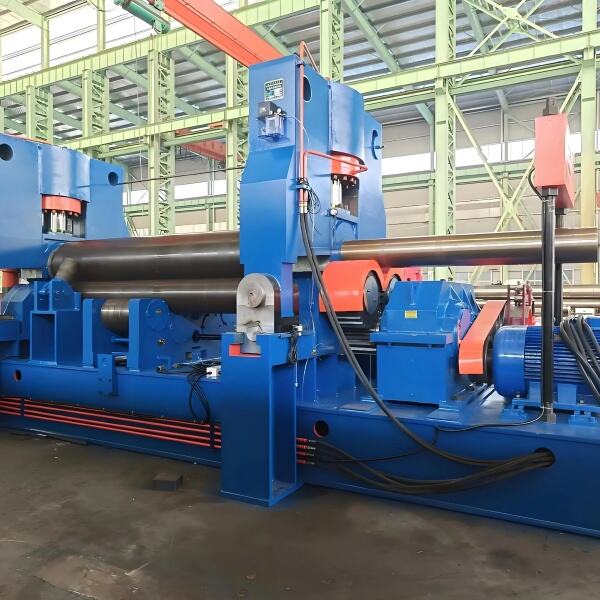
 EN
EN