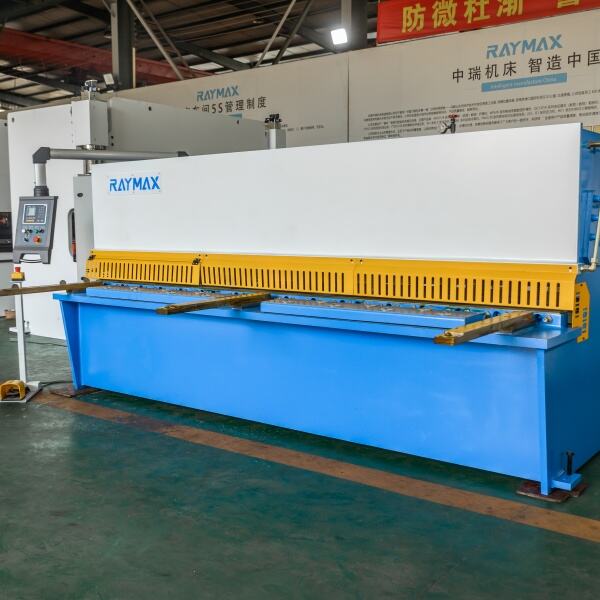
Common problems with shearing machines often stem from improper operation, lack of maintenance, or design limitations. One frequent issue is blade wear or damage, which results in uneven cuts, burrs, or deformation of the material. This can occur due to excessive cutting force, incorrect blade clearance, or using low-quality blades. For example, cutting stainless steel with a blade designed for mild steel accelerates wear. Another problem is hydraulic system failure, characterized by slow ram movement, leaks, or erratic pressure fluctuations. Contaminated hydraulic fluid, worn seals, or air in the system are typical causes. In mechanical shears, gearbox issues like noise, vibration, or gear slippage may arise from inadequate lubrication or misalignment. Electrical faults, such as motor overheating, tripped circuit breakers, or sensor malfunctions, disrupt operations and pose safety risks. These often result from voltage instability, overloading, or exposure to moisture. Structural problems like frame cracking or bed deformation occur in older machines subjected to heavy loads without proper reinforcement. Misaligned back gauges or front supports lead to inaccurate cuts, wasting material and requiring rework. Operator errors, such as feeding material at an angle or ignoring safety protocols, exacerbate these issues. For instance, bypassing the emergency stop during a jam can damage the machine and endanger personnel. To mitigate these problems, follow the manufacturer’s maintenance guidelines, train operators thoroughly, and use high-quality components. Regularly calibrate the machine and monitor performance metrics like cutting force and energy consumption to detect anomalies early. Case Study: A steel processing plant in Brazil resolved recurring blade wear issues by switching to carbide-tipped blades and implementing a blade rotation schedule, reducing replacement costs by 25%.
27
Nov
27
Nov
27
Nov
27
Nov
 EN
EN