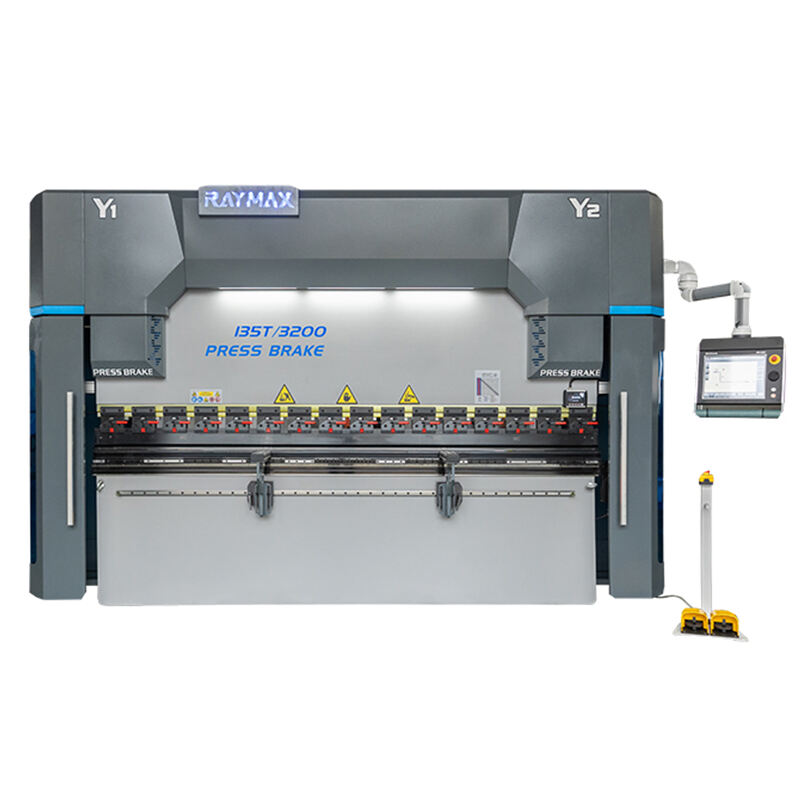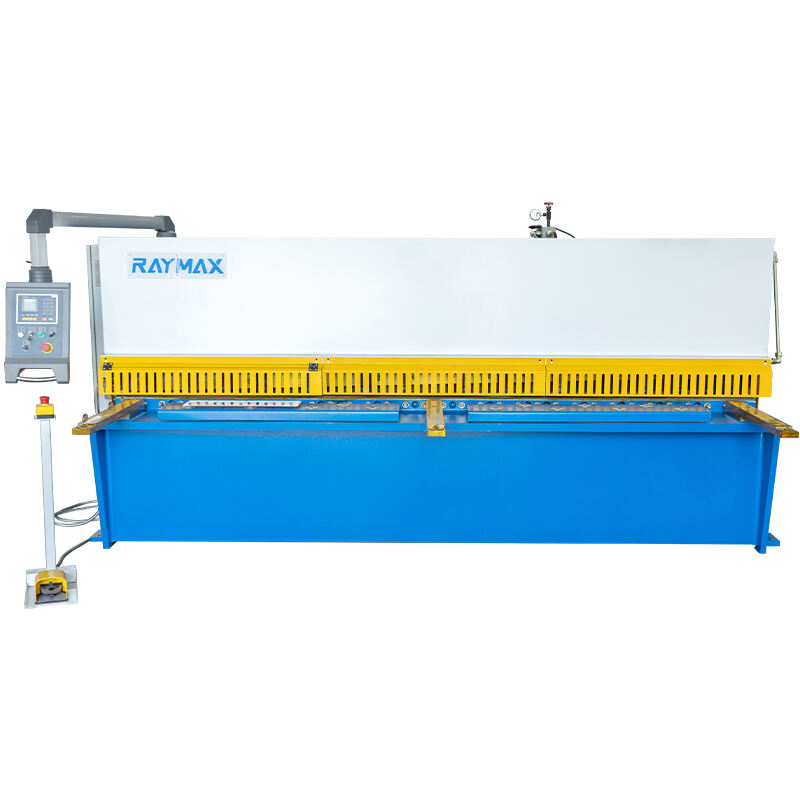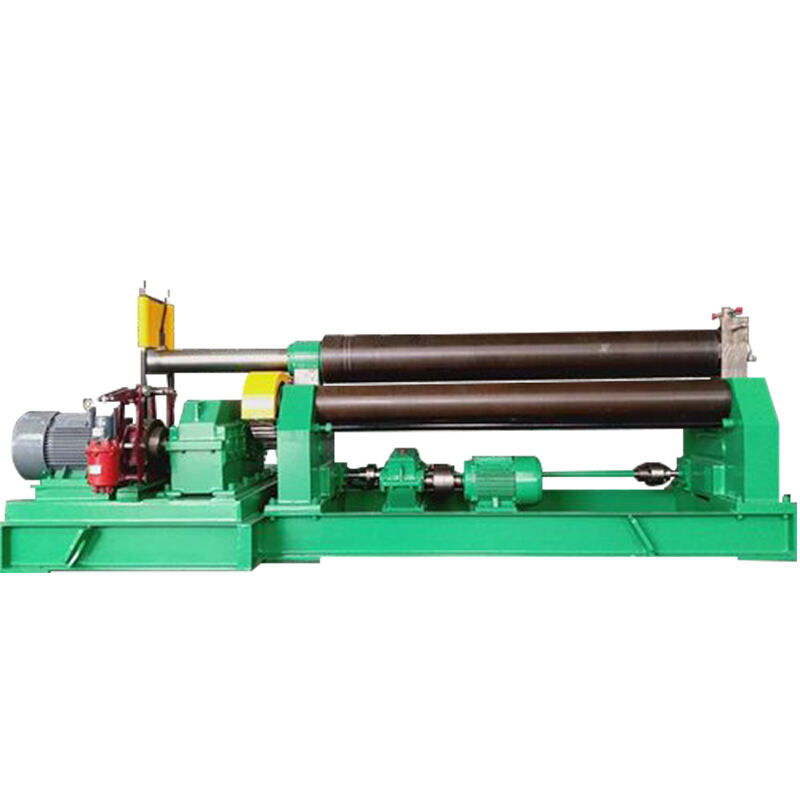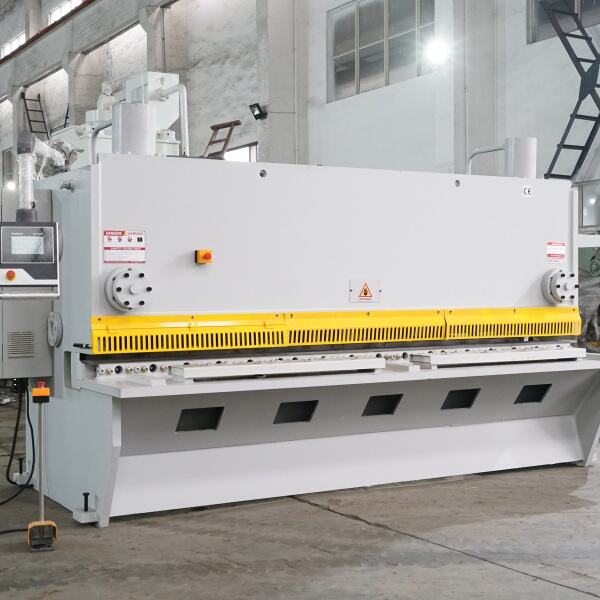
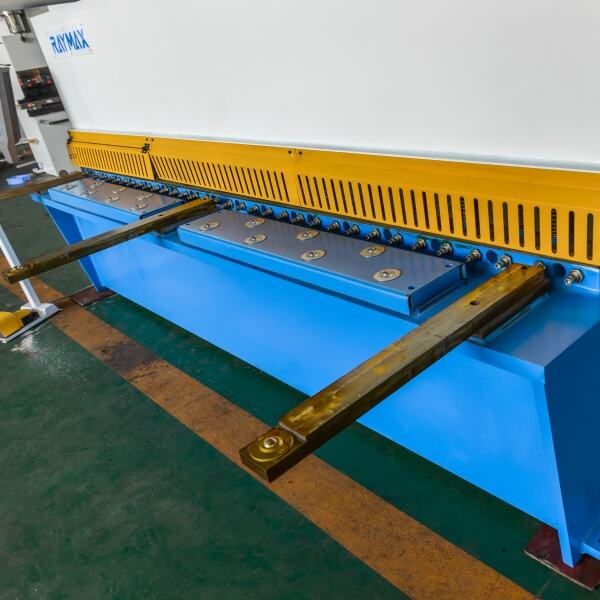
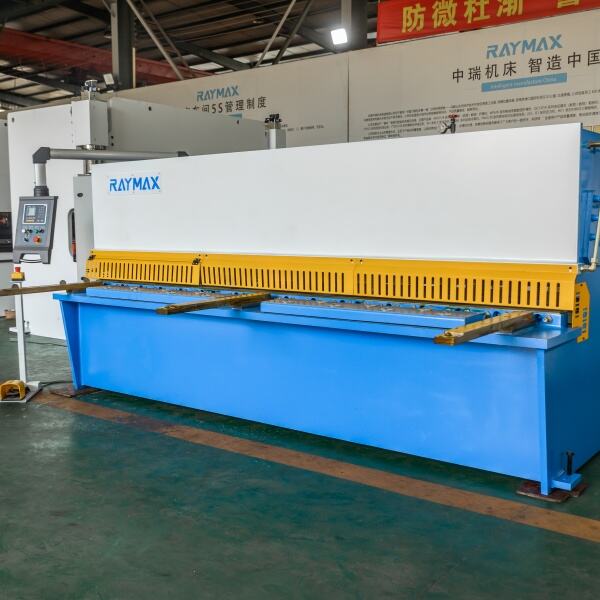
When comparing shearing machine features for metal processing, key factors include cutting mechanism, capacity, automation level, and safety. Hydraulic shears excel in heavy-duty applications, offering smooth operation and precise control over cutting force and speed. They are ideal for thick materials (up to 30mm) and large cutting lengths (6000mm+). Mechanical shears, driven by flywheels, are cost-effective for light- to medium-duty tasks (up to 12mm thickness) but lack the force adjustment capabilities of hydraulic models. Pneumatic shears, though less common, suit low-volume operations with thin materials (under 6mm). Capacity is another critical differentiator. High-capacity machines feature robust frames, dual-cylinder designs, and reinforced beds to handle heavy loads without deflection. For example, a 4000mm x 20mm hydraulic shear can process structural steel beams, whereas a 2000mm x 6mm mechanical shear is better for sheet metal. Automation features like CNC controls, automatic feeding systems, and laser guides enhance precision and throughput. CNC shears allow for complex part programming, reducing setup time and human error. Automatic feeding systems improve consistency in high-volume production, while laser guides assist operators in aligning material accurately. Safety features vary by model but typically include emergency stops, dual-hand controls, light curtains, and blade guards. Advanced machines incorporate real-time monitoring systems that alert operators to potential issues like overheating or hydraulic pressure drops. Energy efficiency is increasingly important; modern shears use variable-speed drives and regenerative braking to minimize power consumption. For instance, a servo-driven hydraulic shear consumes 30% less energy than a traditional fixed-speed model. Additional features like quick-change tooling, adjustable stroke length, and integrated material handling systems add versatility. A shearing machine with a modular design allows businesses to upgrade components as needs evolve, protecting their investment. Case Study: A shipbuilding company in South Korea compared hydraulic and mechanical shears for cutting thick steel plates and chose a CNC hydraulic model with automatic feeding, achieving a 20% increase in productivity and a 15% reduction in labor costs.
27
Nov
27
Nov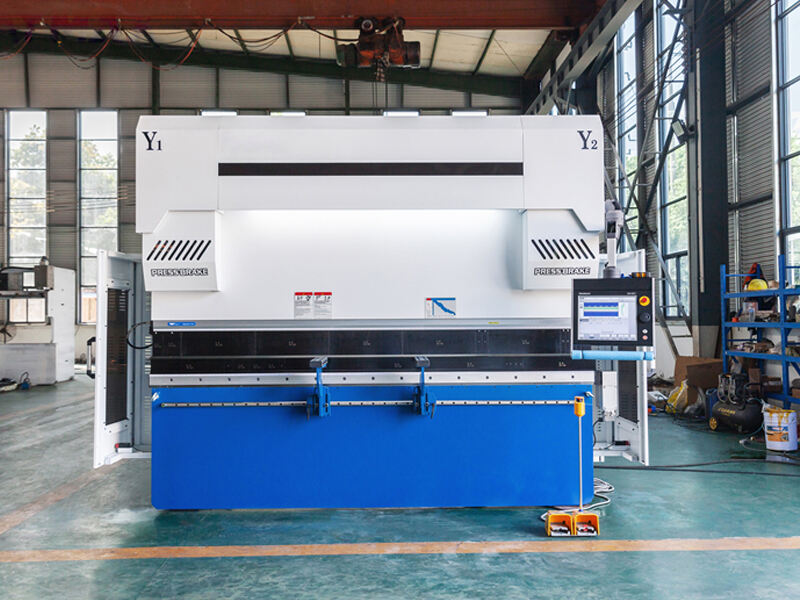
27
Nov
27
Nov
 EN
EN