 EN
EN



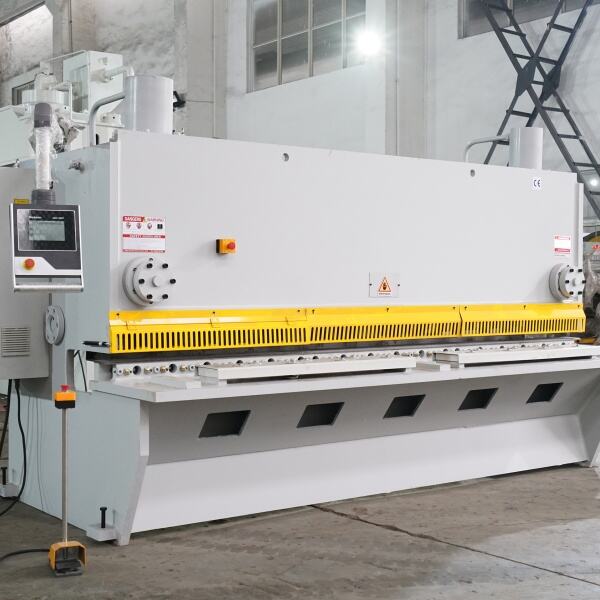
Rising Demand for Automation in Metal Shearing
Metal fabrication shops are seeing their need for precisely cut parts grow at around 28% each year according to Ponemon's latest research from 2023, pushing many manufacturers into investing in automated shearing equipment. Traditional manual methods just can't keep up with the tight ±0.5mm requirements needed for those critical aerospace and car parts, whereas automation delivers much better results with about ±0.1mm accuracy most of the time. On top of these quality issues, finding enough skilled workers has become another headache for shop owners. Automated shearing setups help here too, cutting down on the need for direct human involvement during repetitive cutting operations by roughly 80%. This combination of factors makes automation increasingly attractive despite the upfront costs involved.
How Automation Transforms Traditional Shearing Processes
When it comes to workflow transformation, automation brings everything together – material handling, feeding processes, and cutting operations all controlled through one central PLC system. Back in the day, companies needed anywhere from three to four workers just to handle loading and positioning tasks. These days though, modern equipment features those servo driven decoilers and feeders that can crank out around fifteen to twenty sheets per minute without needing constant human intervention. The real game changer? Those thickness sensors that work while the machine is running. They automatically adjust blade gaps as needed, which cuts down on those frustrating manual calibration stops that used to eat up about twelve to eighteen percent of production time across the industry.
Integration of PLC and Servo Control in Feeding Systems
Programmable Logic Controllers (PLCs) synchronize three critical automation components in shearing machines:
- Servo motors governing feed length (±0.05mm repeatability)
- Hydraulic dampers stabilizing sheet metal during high-speed transfers
- Vision systems detecting material edge deviations
This closed-loop control architecture enables continuous feeding at 30 m/min while maintaining positional accuracy—a 240% speed improvement over mechanical feeders.
Aligning Shearing Machine Automation with Production Goals
A 2023 Fabricators & Manufacturers Association study revealed automated shearing lines help 73% of plants achieve their key performance indicators:
| Metric | Manual Process | Automated System | Improvement |
|---|---|---|---|
| Daily Output | 850 sheets | 1,400 sheets | 65% |
| Material Waste | 6.2% | 1.8% | 71% – |
| Energy Consumption | 58 kWh | 42 kWh | 28% – |
Case Study: Automotive Industry Adoption of Automated Shearing Lines
A Tier 1 auto parts supplier reduced chassis component production costs by $18/unit after implementing robotic shearing cells. The system features:
- 6-axis robots transferring blanks between laser markers and shearers
- AI-powered nesting software optimizing material utilization
- Predictive maintenance algorithms cutting unplanned downtime by 62%
This $2.4 million investment achieved ROI in 11 months through a 40% throughput boost and 92% reduction in quality rejects.
Core Components of an Automated Shearing and Feeding Line
NC Servo Feeder Technology for High Precision Feeding in Shearing Machines
The NC servo feeder systems can position materials with incredible precision at the micron level thanks to their PLC-driven motion profiles. According to MetalForming Magazine from last year, these machines hit around ±0.05mm repeatability when they sync the servo motor movements exactly with the shearing machine's cycle timing. The better quality models come equipped with smart self-correction features that adjust on the fly for differences in material thickness. This means operators can run through sheets of stainless steel, aluminum, and those tough high-tensile alloys without stopping, even when dealing with materials as thick as 12mm. Such capabilities make a real difference in production environments where downtime costs money and precision matters.
Leveling Feeder Integration with Shearing Machines for Consistent Output
When automated leveling feeders are used, they actually take care of those pesky residual coil stresses before any material gets fed into the shearing machines. This makes a big difference because it cuts down on post-cut warping issues by about 63% when compared with what happens during manual processing. The system works pretty well at keeping sheets flat across multiple roller stations where forces as high as 220kN get applied for correction purposes. What's really handy for operators is being able to set different material thickness profiles right from the HMI panels. This means switching between tasks that need thin stuff like 0.5mm cold rolled steel and thicker materials such as 8mm structural plates becomes much faster and smoother overall.
Material Handling Systems in CNC Shearing: From Decoiler to Cut-Off
A fully automated shearing line coordinates three critical material stages:
- Coil decoilers with 25-ton capacity and automatic centering
- Ventilated straightening units eliminating crossbow defects
- Stacking robots sorting cut blanks by dimensional tolerances
These systems maintain continuous material flow through laser-guided alignment sensors, achieving 98.7% first-pass yield rates in automotive component production lines.
Improving Cutting Precision Through Automated Feeding Systems
Challenges in Manual Feeding Accuracy for Sheet Metal
Manual feeding in shearing machines struggles with inherent inconsistencies—human operators typically achieve ±1.5mm positioning accuracy, versus ±0.05mm for automated servo systems. This variability leads to misaligned cuts, material waste averaging 8–12% (Fabrication Tech Journal 2023), and bottlenecks in high-tolerance industries like aerospace and medical device manufacturing.
Closed-Loop Control and Feedback Mechanisms in Servo Feeding
Modern servo-driven feeding systems utilize real-time positional feedback through rotary encoders and laser sensors, creating a self-correcting loop that adjusts feed length mid-cycle. This technology reduces thermal expansion errors by 63% compared to open-loop systems, critical when processing materials like stainless steel or aluminum alloys.
| Metric | Manual Feeding | Automated Feeding |
|---|---|---|
| Positioning Accuracy | ±1.5mm | ±0.05mm |
| Scrap Rate | 8-12% | 1.2-2.5% |
| Max Feed Speed | 15m/min | 45m/min |
Achieving ±0.1mm Tolerance in High Precision Feeding for Shearing Machines
Tighter tolerances require synchronized control of three parameters:
- Servo motor resolution (0.001° rotational accuracy)
- Linear guide rigidity (±5µm deflection under load)
- Material thickness compensation algorithms
The integration of high-resolution linear scales (0.5µm resolution) enables shearing machines to maintain ±0.1mm accuracy even when processing hardened steels up to 20mm thick.
AI-Assisted Calibration in CNC Metal Shearing Machines
Machine learning algorithms now automate what traditionally required hours of manual trial cuts. By analyzing historical cut data and material properties, these systems auto-calibrate tool paths to compensate for blade wear—reducing setup time by 78% while improving first-cut success rates to 99.3% in production trials.
Reducing Rework and Scrap Rates via Automated Positioning
Automated feeding systems have demonstrated a 91% reduction in profile cutting errors across 143 manufacturing plants (Industrial Automation Report 2024). The elimination of manual measurement steps directly translates to 6–9% higher material yield, particularly valuable when processing expensive alloys like titanium or copper-nickel blends.
Reducing Labor Costs and Improving ROI with Shearing Machine Automation
Manual vs Automated Feeding: Productivity and Cost Comparison
When workers handle material feeding during shearing operations, they tend to run into all sorts of problems. The process just takes longer overall, typically around 12 to maybe 15 cuts per hour, whereas automated systems can crank out over 35 cuts in the same timeframe. Plus there are those pesky positioning mistakes that end up costing anywhere from $17 to about $23 each hour in wasted time fixing things. Automated feeding solves most of these issues because it keeps everything aligned within roughly 0.2mm accuracy, which cuts down on waiting periods between cuts by almost two thirds. According to some research published last year by the Fabrication Tech Institute, companies switching to automated shearing saw their labor expenses drop by nearly 40 percent and managed to produce twice as much work as before when people were doing everything manually.
Workforce Reallocation Strategies After Automating the Feeding Process
When automation takes over the boring stuff like moving materials around, workers get to focus on better things such as checking product quality or keeping an eye on when machines might break down. Most factories find ways to keep about seven out of ten employees busy after automation comes in, often sending them for training in areas like computer-controlled machining or figuring out how to make production smoother. These changes do need some proper training sessions, but they usually stop companies from laying people off altogether. The Metalworking Industry Association reports something interesting here too: around nine out of ten businesses manage to avoid cutting staff thanks to these transitions.
ROI Analysis of Automating the Feeding Process of Shearing Machines
A typical $250,000 automated feeding system achieves payback in 14–18 months through three primary savings:
- Labor: $110k/year reduction in direct labor costs
- Material: 9–12% lower scrap rates via precision positioning
- Downtime: 30% fewer production delays from fatigue-related errors
For high-volume operations processing 800+ tons monthly, ROI often exceeds 200% over five years due to improved machine utilization and reduced tool wear.
Maximizing Production Efficiency in Automated Shearing Workflows
Bottlenecks in Non-Automated Shearing Workflows
When working with manual feeding systems for shearing, there's always going to be some kind of bottleneck issue. Operators constantly battle to get materials positioned just right every single time. According to recent data from fabrication efficiency studies around 2023, these old school shearing machines tend to sit idle about 22% of the time because of all those little feeding mistakes and constant readjustments needed. What happens next is pretty frustrating for everyone involved. The whole production line gets backed up when bending and welding stations end up waiting for parts that never arrive on schedule. Some shops have actually lost significant revenue just from this kind of delay over months of operation.
Cycle Time Reduction Through Continuous Feeding Systems
Automated servo feeders slash cycle times by eliminating manual plate handling between cuts. By integrating NC servo control, advanced systems achieve continuous material advancement with 35% faster cycle times compared to manual operations (Metalworking Journal 2023). Real-time thickness detection automatically adjusts feed rates, maintaining optimal speeds even when processing mixed-gauge materials.
Case Study: 40% Throughput Increase Using an Automated Shearing Line with Decoiler
A Tier 1 automotive parts manufacturer replaced manual decoiling and feeding with a fully automated shearing line, achieving:
- 40% higher daily throughput (from 850 to 1,190 sheets)
- 0.12mm positioning repeatability via closed-loop servo control
- 78% reduction in scrap from misaligned cuts
The system’s automatic coil loading and tail-end detection enabled 24/7 operation with two shifts instead of three.
Predictive Maintenance in Automated Feeding and Shearing Lines
Modern systems leverage IoT sensors to predict component wear 150–200 operating hours before failure. Vibration analysis on servo reducers and motor temperature monitoring have reduced unplanned downtime by 60% in automated shearing workflows (Industrial Automation Quarterly 2024). Maintenance alerts are prioritized based on real-time production schedules to minimize disruption.
Synchronizing Upstream and Downstream Operations for Seamless Flow
Automated shearing lines now use MES (Manufacturing Execution Systems) to dynamically adjust cutting priorities based on downstream demand signals. One aerospace manufacturer eliminated 37 minutes/hour of buffer inventory between shearing and punching stations by implementing real-time production sync—cutting WIP inventory costs by $8,200/month.
Frequently Asked Questions
What is the main advantage of automation in shearing machines?
Automation in shearing machines primarily enhances precision, reducing material wastage and increasing production speed compared to manual methods.
How does automation impact labor costs in shearing operations?
Automation significantly reduces labor costs by minimizing the need for human intervention during repetitive tasks, which allows redeployment of the workforce to more strategic roles.
Are there any risks associated with automating shearing processes?
While automation offers numerous advantages, initial high costs and the need for skilled personnel to manage automated systems can be seen as potential risks involved in the transition.
How quickly can companies expect ROI from implementing automated shearing lines?
On average, companies can anticipate a return on investment within 14 to 18 months, thanks to labor savings, reduced material scrap, and decreased downtime.
Can automation in shearing processes reduce material waste significantly?
Yes, automated systems can drastically decrease material waste, with scrap rates falling from as high as 8-12% in manual processes to about 1.2-2.5% with automation.
Table of Contents
- Rising Demand for Automation in Metal Shearing
- How Automation Transforms Traditional Shearing Processes
- Integration of PLC and Servo Control in Feeding Systems
- Aligning Shearing Machine Automation with Production Goals
- Case Study: Automotive Industry Adoption of Automated Shearing Lines
- Core Components of an Automated Shearing and Feeding Line
-
Improving Cutting Precision Through Automated Feeding Systems
- Challenges in Manual Feeding Accuracy for Sheet Metal
- Closed-Loop Control and Feedback Mechanisms in Servo Feeding
- Achieving ±0.1mm Tolerance in High Precision Feeding for Shearing Machines
- AI-Assisted Calibration in CNC Metal Shearing Machines
- Reducing Rework and Scrap Rates via Automated Positioning
- Reducing Labor Costs and Improving ROI with Shearing Machine Automation
-
Maximizing Production Efficiency in Automated Shearing Workflows
- Bottlenecks in Non-Automated Shearing Workflows
- Cycle Time Reduction Through Continuous Feeding Systems
- Case Study: 40% Throughput Increase Using an Automated Shearing Line with Decoiler
- Predictive Maintenance in Automated Feeding and Shearing Lines
- Synchronizing Upstream and Downstream Operations for Seamless Flow
-
Frequently Asked Questions
- What is the main advantage of automation in shearing machines?
- How does automation impact labor costs in shearing operations?
- Are there any risks associated with automating shearing processes?
- How quickly can companies expect ROI from implementing automated shearing lines?
- Can automation in shearing processes reduce material waste significantly?