 EN
EN



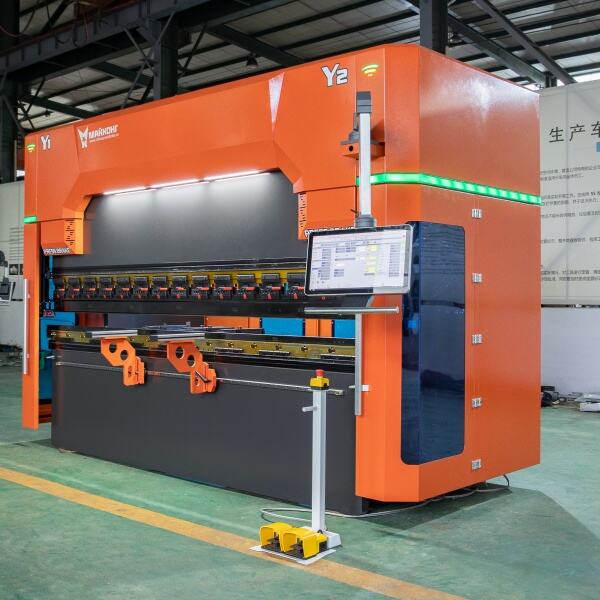
The Evolution of Press Brake Safety: From Mechanical Guards to Smart Systems
From Mechanical Guards to Smart Sensing: The Shift in Press Brake Safety
In the past, press brake safety meant dealing with heavy mechanical guards that needed constant adjusting by hand. These old systems actually slowed things down and couldn't keep up with changing workplace dangers. Everything changed around the 2010s when smart sensing technology came into play. Today's machines use capacitive sensors along with LiDAR technology to spot workers getting too close in just half a second. According to data from the National Safety Council, these improvements cut press brake accidents down by nearly two thirds from 2010 until 2023. Workers stay safer while production lines run smoother than ever before.
How OSHA and ANSI B11 Safety Standards Shape Modern Press Brake Design
The OSHA 29 CFR 1910.212 regulations along with ANSI B11.8 standards require several important improvements for press brake equipment. First, these rules demand reliable dual channel controls so emergency stops work properly. Second, they specify safe distances must be maintained between workers and moving parts of the machine. And third, companies need to perform thorough risk assessments prior to putting any new system into operation. As a result of these requirements, most manufacturers now build in backup braking systems and install smart controls that will stop the machine automatically if it detects anything outside acceptable safety parameters. These changes aren't just paperwork compliance items either they actually make workplaces safer for everyone involved.
The Role of Light Curtains and Machine Guarding in Point of Operation Protection
Modern light curtains offer millimeter-level resolution to protect bending zones without obstructing material loading. When paired with interlocked guarding systems, these optical barriers reduce point-of-operation injuries by 89% compared to traditional fencing (BLS 2023). Advanced models compensate for ambient light variations, ensuring reliable performance during high-cycle production runs.
Intelligent Control Systems in Press Brake Machines: Powering RAYMAX’s Innovation
Integration of CNC Technology in Press Brakes for Precision and Safety
Today's press brakes rely on CNC systems for bending accuracy down to the micron level, all while staying compliant with ANSI B11.3 safety requirements. Many manufacturers have swapped out traditional hydraulic systems for servo-electric drives instead. These newer systems allow much better control over pressure settings, so the machine maintains consistent force throughout thousands upon thousands of cycles without drifting off track. The multi-axis back gauges really shine here too, positioning materials within about 0.01 mm consistently. Setup times drop dramatically in shops running mixed production runs, some facilities report around two thirds less time spent getting things ready. And let's not forget the closed loop control feature that constantly checks where everything is aligned. If something goes outside safe parameters during operation, it stops immediately before any damage can occur.
How Digital Controls Enhance Press Brake Operations Through Real-Time Feedback
Smart HMIs give operators instant access to important numbers like ram deflection rates and angle deviations during operation. These systems use clever algorithms that constantly check how materials respond in real time, adjusting for springback effects so the first bend hits target accuracy over 98.5% of the time, even when working with tough high tensile steels. Presses connected to the cloud automatically load all the necessary job settings without needing anyone to type them in manually. This cuts down on those frustrating input mistakes that cause roughly a quarter of all production holdups according to recent industry reports from Machinery Safety Quarterly.
Advanced Safety Technologies (IoT, AI) in Press Brake Machines: Predictive Fault Detection
Vibration sensors connected to the internet can spot signs of bearing wear anywhere from six to eight weeks before actual failure occurs. This was found in a real world test lasting twelve months across 142 different press brake machines at several manufacturing sites. The artificial intelligence behind these systems looks at heat images alongside regular maintenance records to forecast when hydraulic seals might start failing, getting it right around 89 percent of the time. Most importantly, these smart systems know which repairs need attention first through their connection with Computerized Maintenance Management Software (CMMS). Factories using this tech report cutting down on unexpected breakdowns by roughly forty percent compared to traditional methods. Safety gets a boost too since machine learning adjusts protective light curtains automatically depending on how workers move around during complicated assembly processes.
RAYMAX’s Intelligent Fault Alarm System: Revolutionizing Maintenance and Downtime Prevention
Predictive Maintenance and System Monitoring in Automated Press Brakes
Machines with predictive maintenance can last anywhere from 30 to 50 percent longer according to Ponemon research back in 2023. The RAYMAX system works by looking at how hydraulic pressures change in real time and spots when rams start drifting out of position even down to 0.002mm differences. What this means is that parts wear out predictions come weeks ahead of actual breakdowns, usually between two and four weeks early. This kind of smart maintenance fits right in with what OSHA recommends these days for keeping industrial gear running safely. Factories using it report cutting those unexpected repair jobs by almost 60% instead of just following a fixed schedule for maintenance checks.
Case Study: Reducing Downtime by 40% Using Real-Time Fault Alerts in NC Press Brakes
At one metal fabrication facility, implementing RAYMAX's fault alarm system cut down on about 112 hours worth of yearly downtime simply because it caught those pesky motor encoder misalignment issues right when they started happening. The sensor network was actually picking up on temperature spikes within these C-frame structures anywhere from 18 to 32 hours prior to what would have been serious breakdowns, giving technicians time to jump in and fix things before disaster struck. Looking at this success story aligns pretty well with what researchers found last year too. According to the Ponemon Institute report from 2023, facilities adopting these kinds of smart diagnostic tools typically save around $740 each year per machine just on maintenance expenses alone.
Troubleshooting Common Press Brake Problems Before They Escalate
The monitoring system keeps track of several critical signs that something might be going wrong. These include when the backgauge starts drifting more than 0.02 mm per meter, if there's too much dirt in the hydraulic oil - we're talking anything over 18 parts per million counts as bad -, noticeable changes in servomotor torque that go beyond 7% variance, and when punches and dies get out of alignment by more than half a degree angle-wise. What makes this system stand out is how it processes data from well over 120 different sensors combined with past maintenance records. As a result, problems tend to show up on the radar screen about four times quicker compared to what humans can spot during regular checks. Plus, operators deal with way fewer false warnings too - around 63% less according to industry standards set by ANSI B11.8-2022.
Press Brake Automation: Boosting Efficiency, Productivity, and Operator Safety
Lights-Out Manufacturing and Unattended Operation Capabilities Enabled by Smart Alarms
Press brakes with smart alarms allow manufacturers to run their operations without constant supervision during night shifts, cutting down on manual checks by around two thirds according to recent industry reports from RMT (2024). When paired with robotic loaders controlled by computer numerical control systems and equipped with sensors that spot problems as they happen, these machines keep producing accurate bends even when nobody's watching. The software inside constantly keeps an eye on things like how hot the motors get and what pressure builds up in the hydraulics, sending warnings long before anything actually breaks down. As a result, factories see about 40 percent fewer unexpected stoppages, all while keeping bend angles within just one tenth of a degree accuracy most of the time.
Safety Enhancements in Automated Press Brake Operations: Minimizing Human Error
Safety gets better when we cut down on how much humans need to interact with machines directly. These days, factories are using smart safety features like interlocks and vision systems powered by artificial intelligence. When someone gets too close to machinery, these systems can stop operations way quicker than old fashioned mechanical guards ever could. Some manufacturers report stopping times that are three times faster, which makes a real difference in preventing accidents. The safety circuits work in two separate channels so they check each other's readings, keeping things running within industry safety guidelines most of the time. Automating tasks like changing tools and moving materials around cuts down on hands-on work by about three quarters. This matters because according to OSHA data from last year, roughly half of all injuries at press brakes happen because workers get too involved in processes that should be handled by machines instead.
Frequently Asked Questions (FAQ)
What are the main advancements in press brake safety?
The main advancements include the integration of smart sensing technology, CNC systems, light curtains, and advanced AI and IoT technologies. These technologies enhance safety by providing real-time feedback, predictive fault detection, and automated safety controls.
How does CNC technology improve press brake operations?
CNC technology improves press brake operations by increasing the accuracy and precision of the bending process. It allows for micron-level control and reduces setup times, ensuring consistent force application and alignment during operations.
What role do OSHA and ANSI standards play in press brake safety?
OSHA and ANSI standards set guidelines for safe press brake operation, including dual channel controls, safe distances, and thorough risk assessments. These standards help manufacturers ensure that their equipment is designed with safety as a priority.
How do predictive maintenance systems benefit press brake machines?
Predictive maintenance systems extend the lifespan of press brake machines by monitoring wear and tear in real-time and providing early warnings for potential issues, reducing unexpected breakdowns and maintenance costs.
How can automated press brakes reduce human error?
Automated press brakes reduce human error through smart alarms, AI-powered safety features, and automation of repetitive tasks. This minimizes the need for direct human interaction and enhances overall safety and efficiency.
Table of Contents
- The Evolution of Press Brake Safety: From Mechanical Guards to Smart Systems
- Intelligent Control Systems in Press Brake Machines: Powering RAYMAX’s Innovation
- RAYMAX’s Intelligent Fault Alarm System: Revolutionizing Maintenance and Downtime Prevention
- Press Brake Automation: Boosting Efficiency, Productivity, and Operator Safety
- Frequently Asked Questions (FAQ)