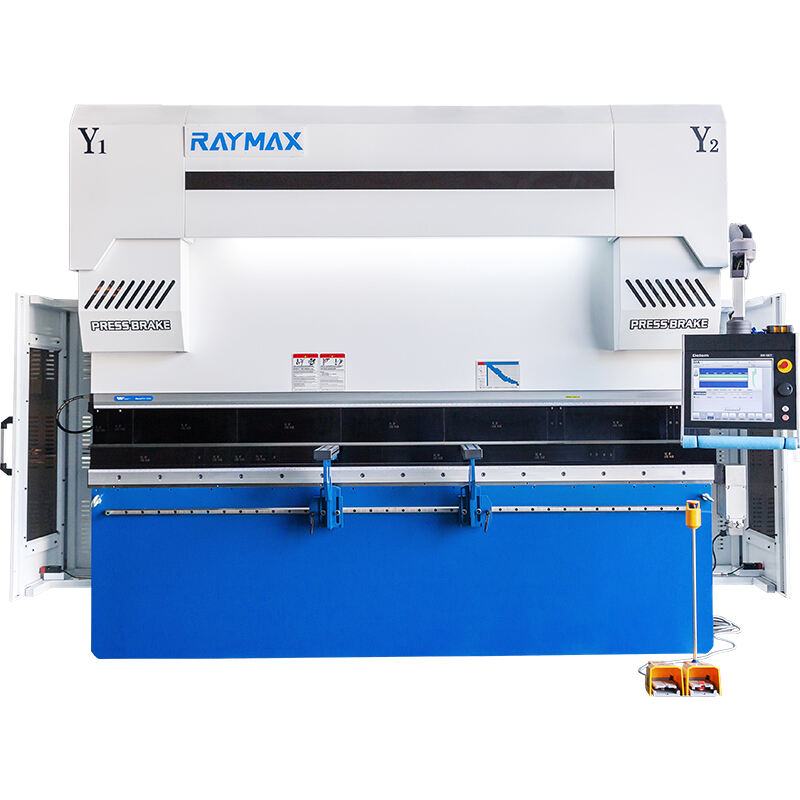
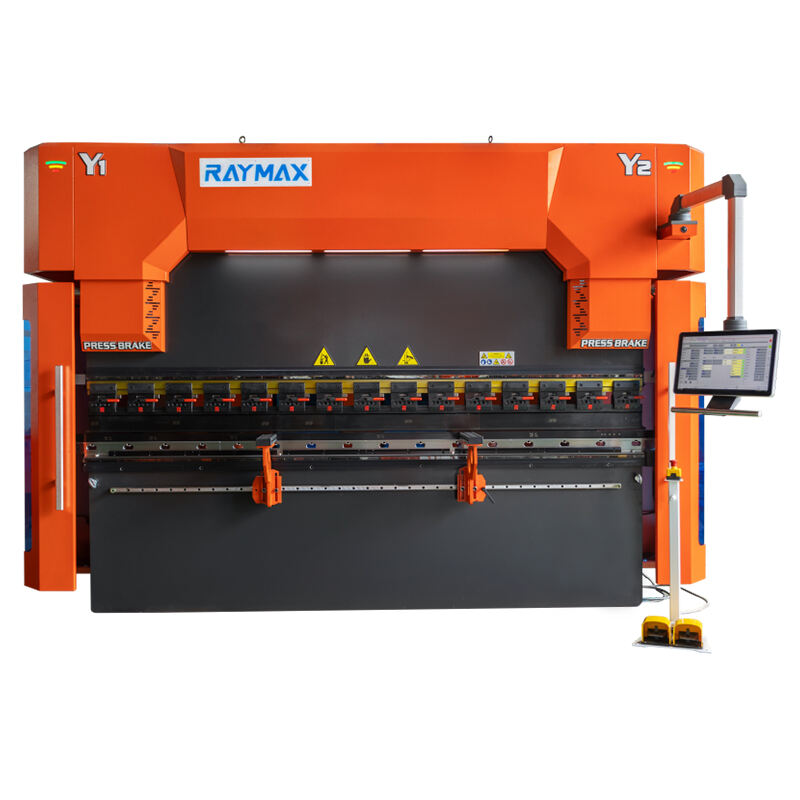
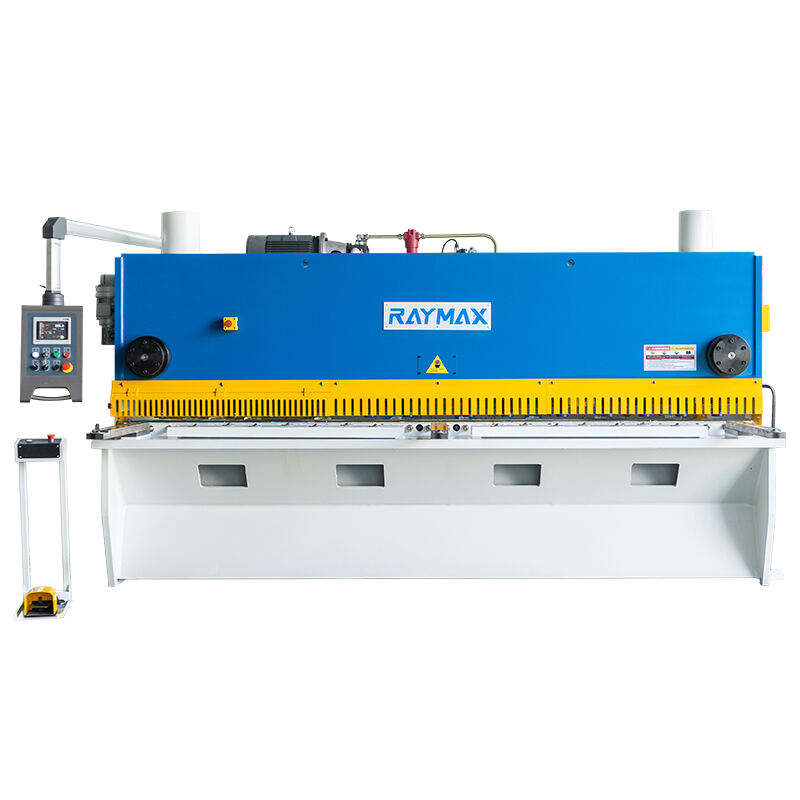
The fundamental physics of metal shearing involves applying cutting force that creates plastic deformation through the material thickness, with the required tonnage directly proportional to plate thickness, width, and material tensile strength. Our shearing machines are rated by maximum cutting thickness at full width for specific tensile strengths, typically 450 N/mm² for carbon steel, with capacity varying significantly for different materials. The relationship between blade gap, material thickness, and cut quality is critical for achieving optimal results, as the gap between upper and lower blades should typically be maintained at 5 to 7 percent of material thickness for mild steel, with adjustments required for stainless steel or aluminum to prevent excessive burr formation or premature blade wear. The shearing angle, also known as the rake angle, influences the required cutting force and the quality of the finished edge, with larger angles reducing required force but potentially increasing material distortion. For carbon steel, shearing angles typically range from 0.5 to 2 degrees depending on material thickness, with thicker materials requiring larger angles to distribute cutting force effectively. The hold-down system applies clamping pressure to the material before the cutting stroke begins, preventing sheet movement and ensuring accurate cut placement, with typical hold-down forces reaching 10 to 20 percent of the main cutting force depending on material thickness. The throat depth determines how far from the material edge cuts can be placed, with standard configurations offering 120mm throat depth and extended versions reaching 150mm or more for large plate processing. Understanding these fundamental parameters helps fabricators select equipment that reliably meets their production requirements while optimizing capital investment. Contact us for assistance calculating required shearing capacity based on your specific material, thickness, and dimensional requirements.

 EN
EN