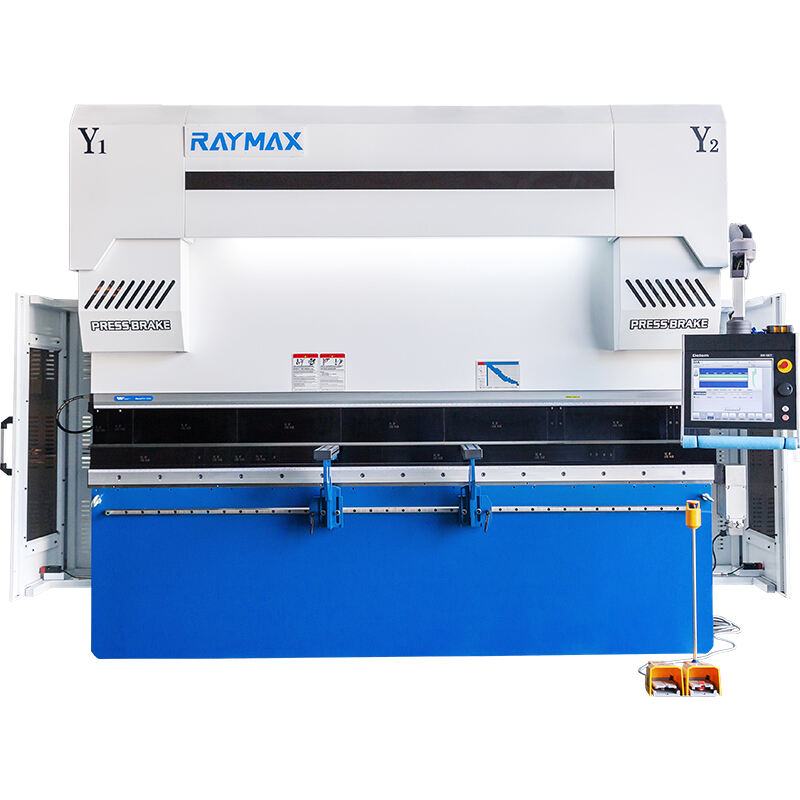
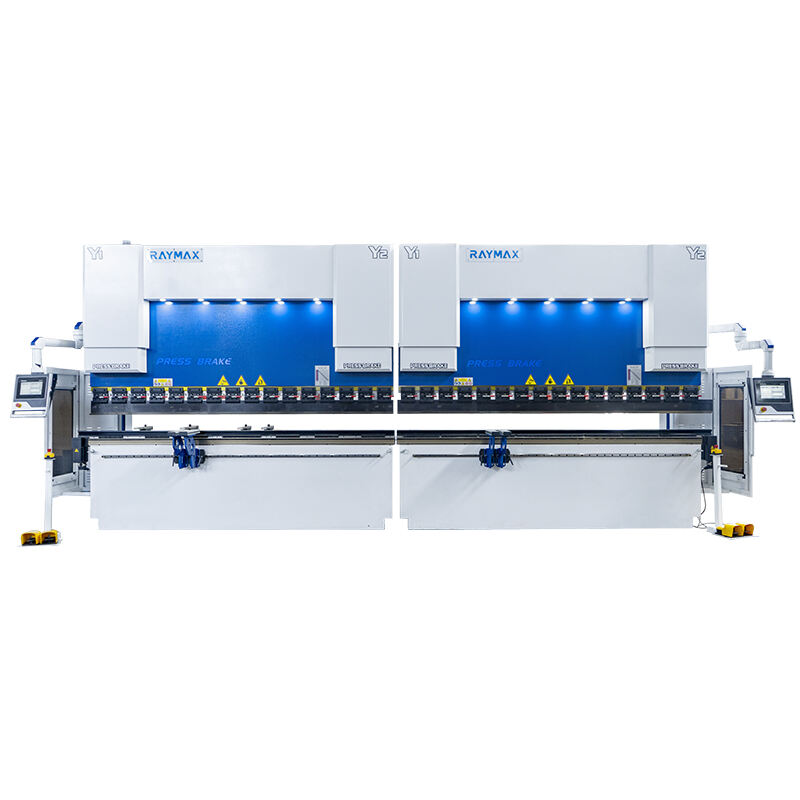
A hydraulic press brake is a cornerstone machine tool in modern metal fabrication, designed to bend sheet metal and thick plates with high force and precision. The working principle revolves around Pascal's law: hydraulic cylinders generate immense pressure, which is transmitted through fluid to drive the ram downward. This force, often measured in tons, pushes a punch into a die, causing the metal to plastically deform into the desired angle. Unlike mechanical presses that have a fixed stroke, a hydraulic press brake allows full control over stroke length, speed, and pressure throughout the bending cycle. The key components include a rigid steel frame that withstands the bending forces without deflection, a hydraulic system comprising pumps, valves, and cylinders that deliver the force, a ram that holds the upper tooling, a worktable that supports the lower die, and a backgauge system for positioning the workpiece. Our hydraulic press brakes are manufactured in our 20000-square-meter facility by a team of 400 skilled personnel, with 60 percent holding middle and senior technical positions, ensuring each machine meets stringent quality standards from design through final delivery. The global hydraulic press brake market was estimated at USD 14.85 billion in 2024 and is projected to reach USD 23.42 billion by 2032, growing at a compound annual growth rate of 5.8 percent, reflecting sustained demand across automotive, aerospace, shipbuilding, and construction industries. The electro-hydraulic synchronous press brake features a fully welded steel structure, stress-relieved by tempering to ensure long-term stability and deformation resistance, while corrosion protection is applied through sandblasting and anti-rust coating. Contact us to discuss which hydraulic press brake tonnage and working length best suit your specific material processing requirements.
27
Nov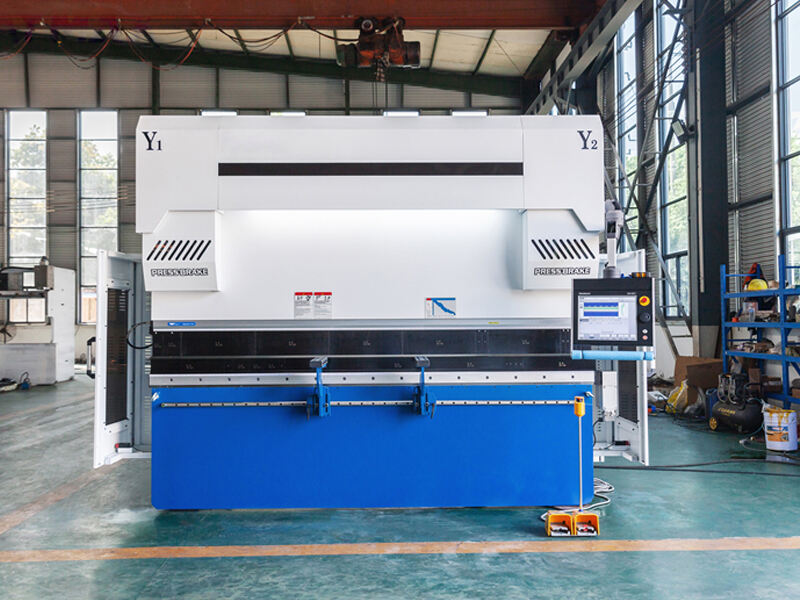
27
Nov
27
Nov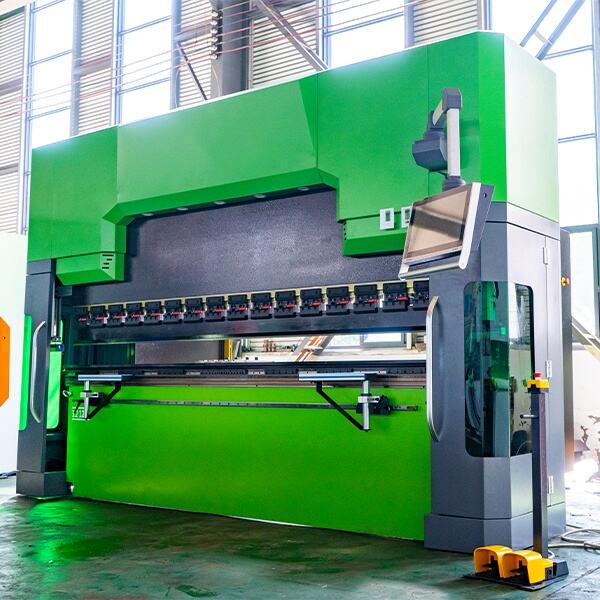

 EN
EN