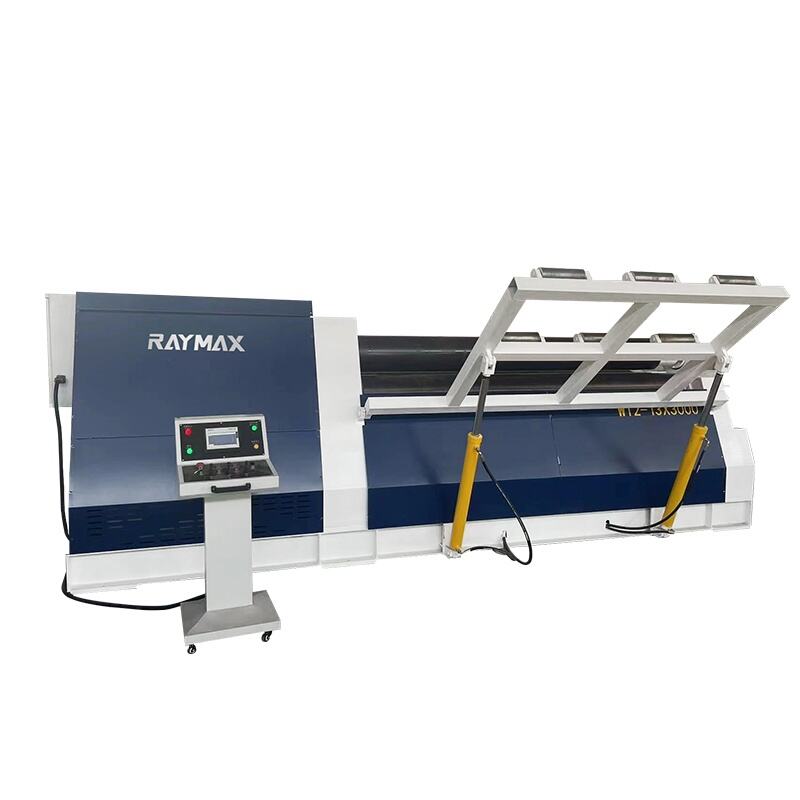
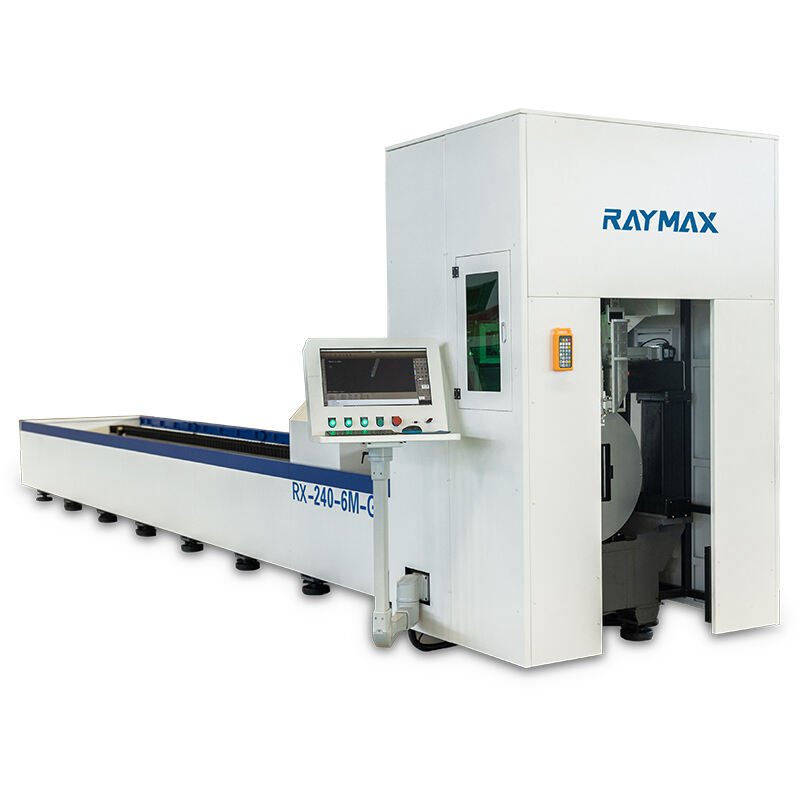
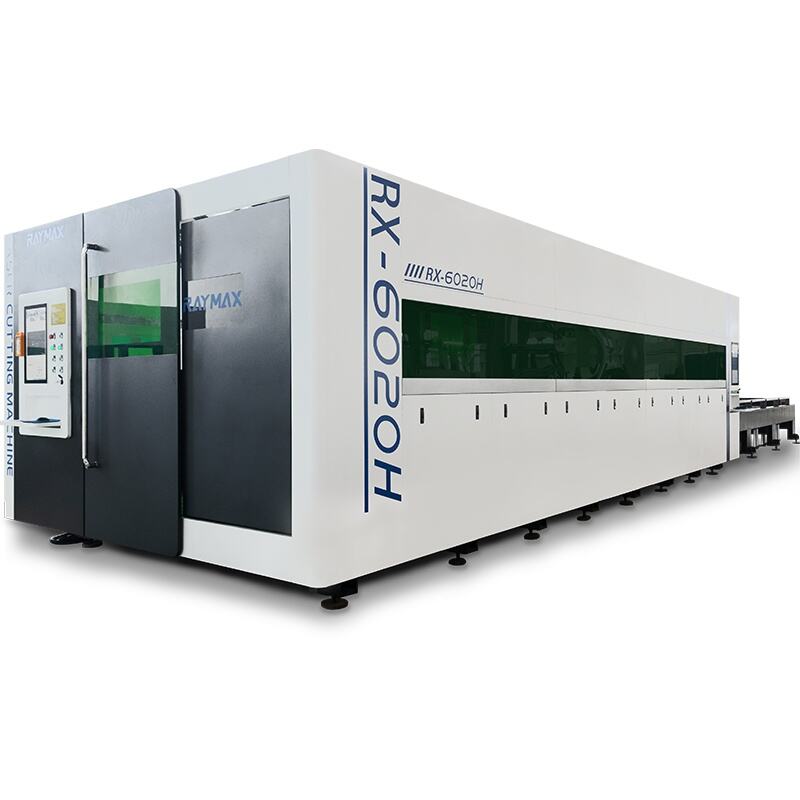
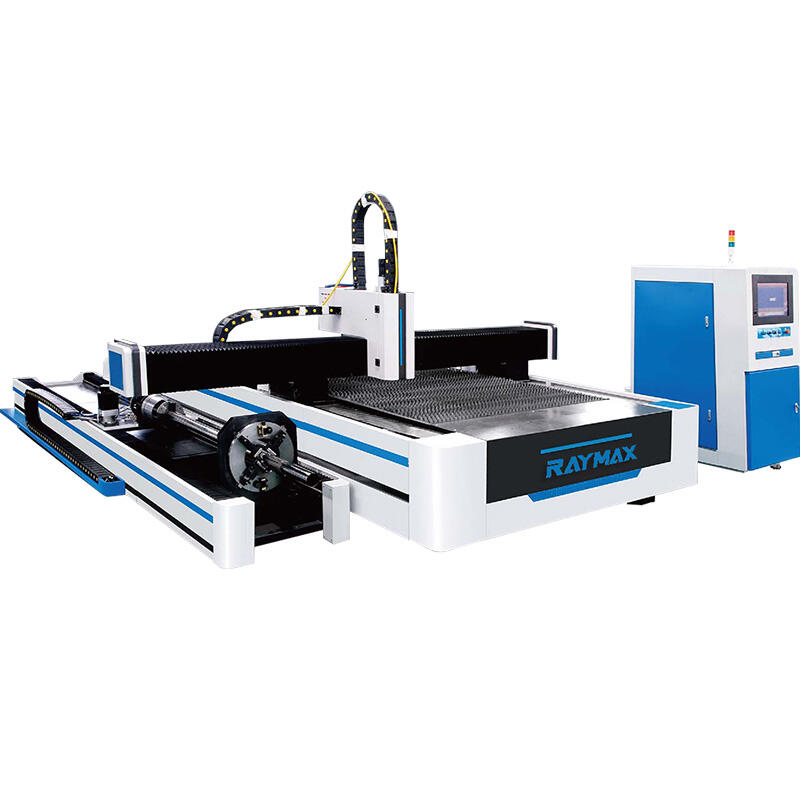
Aluminum cutting with CNC shearing machines requires specialized considerations due to the material's lower yield strength, higher elongation, and tendency toward surface marking compared to steel. Our CNC shearing machines are optimized for processing aluminum alloys including 5052, 5083, 6061, 6063, and 7075, with thickness capabilities up to 16mm for 6000 series alloys. For aerospace clients cutting 3mm aluminum alloy fuselage parts, our machines achieve clean, burr-free edges while preventing surface damage through careful control of blade gap and hold-down pressure. The key to successful aluminum cutting lies in selecting the proper blade parameters: blade gap should be set to 5 to 7 percent of material thickness, with adjustments for softer aluminum alloys to prevent excessive burr formation. Aluminum's lower yield strength means less cutting force is required compared to steel of equivalent thickness, with approximately 50 to 60 percent of the force needed for mild steel. The hold-down system must apply sufficient clamping pressure to prevent sheet movement without marking the material surface, requiring careful adjustment of hydraulic pressure settings. Polished blade surfaces reduce friction and prevent galling, which is particularly important for architectural aluminum applications where surface appearance matters. For 5052-H32 aluminum, which has excellent formability, clean cuts with minimal burr are achievable with standard blade geometries. For 6061-T6 aluminum, which is heat-treated and has higher strength, careful control of blade gap and cutting speed is required to prevent edge cracking. The cutting angle, or rake angle, should be set to the lower end of the adjustable range for aluminum to minimize distortion and produce flatter cut edges. Springback is minimal in aluminum cutting, so overcut compensation is generally not required. For automotive aluminum components used in electric vehicle battery trays and enclosures, our CNC shearing machines maintain precise edge quality essential for subsequent welding and sealing operations, as rough or oxidized edges can compromise weld integrity and corrosion resistance. The ability to cut aluminum without producing heat-affected zones preserves the material's mechanical properties and prevents the softening that occurs with thermal cutting methods. For thin aluminum materials down to 0.5mm used in consumer electronics enclosures and heat sinks, lower hold-down pressure prevents material deformation while still achieving clean separation. Our CNC shearing machines are available with cutting capacities suitable for aluminum processing across all industry sectors, with the CNC controller automatically adjusting cutting parameters when aluminum is selected from the material menu. Contact us to discuss CNC shearing machine configurations optimized for your specific aluminum alloy and thickness requirements, including blade selection and parameter recommendations.
27
Nov
27
Nov
27
Nov
27
Nov
 EN
EN