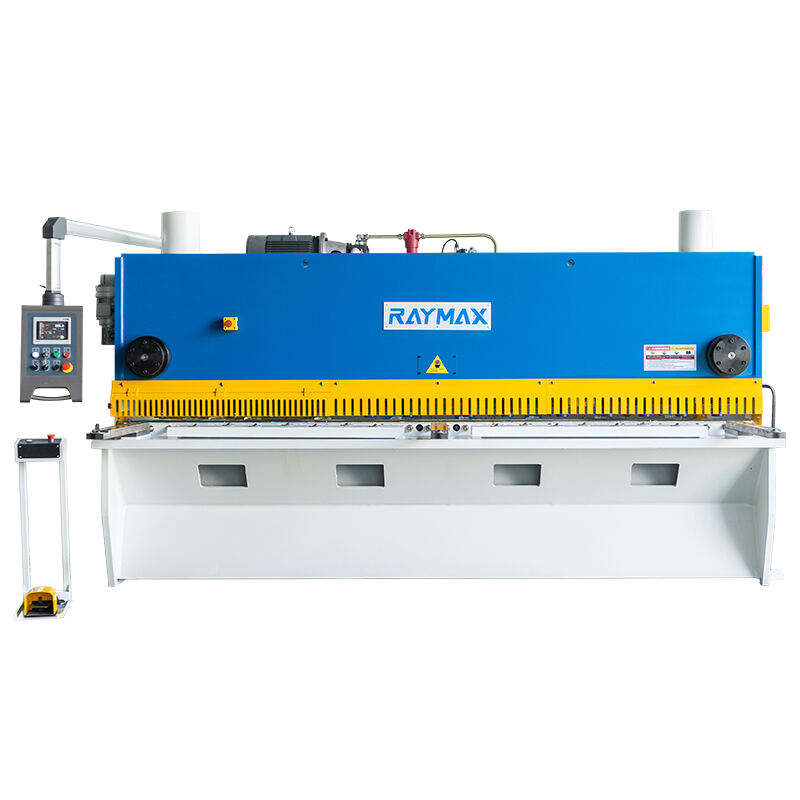
The distinction between guillotine metal shearing machines and swing beam metal shearing machines represents one of the most important considerations in equipment selection, as each design offers unique advantages suited to different applications. Hydraulic guillotine shears utilize a translational structure where the blade moves vertically along precision guide rails, with four-cornered and eight-sided right-angle guide rails providing high precision, good rigidity, and hydraulic preload. This design makes guillotine shears ideal for thicker metal sheets and applications requiring high cutting accuracy, as the straight vertical motion produces a cleaner cut with less distortion. Guillotine shears offer adjustable cutting angles that can be optimized for different material thicknesses, with the shear angle increasing for thicker plates to reduce required cutting force. Hydraulic swing beam shears employ a rotary structure where the blade moves in an arc motion, making them better suited for thinner sheets and high-speed production environments. Swing beam shears typically have a fixed cutting angle that cannot be adjusted, and they are ideal for cutting materials up to approximately 16mm in thickness, with cycle times that support high-volume production. The accuracy of the hydraulic guillotine shearing machine is higher than that of the swing beam shear and tends to be smoother with less distortion. For shipbuilding and heavy equipment industries requiring cutting of large, thick metal plates for hulls and structural components, guillotine shears are the recommended choice. For general sheet metal fabrication, HVAC ductwork production, and automotive component cutting where speed and economy are prioritized, swing beam shears provide excellent value. Contact us to discuss which design is optimal for your material thickness range and production requirements.
27
Nov
27
Nov
19
Sep
 EN
EN