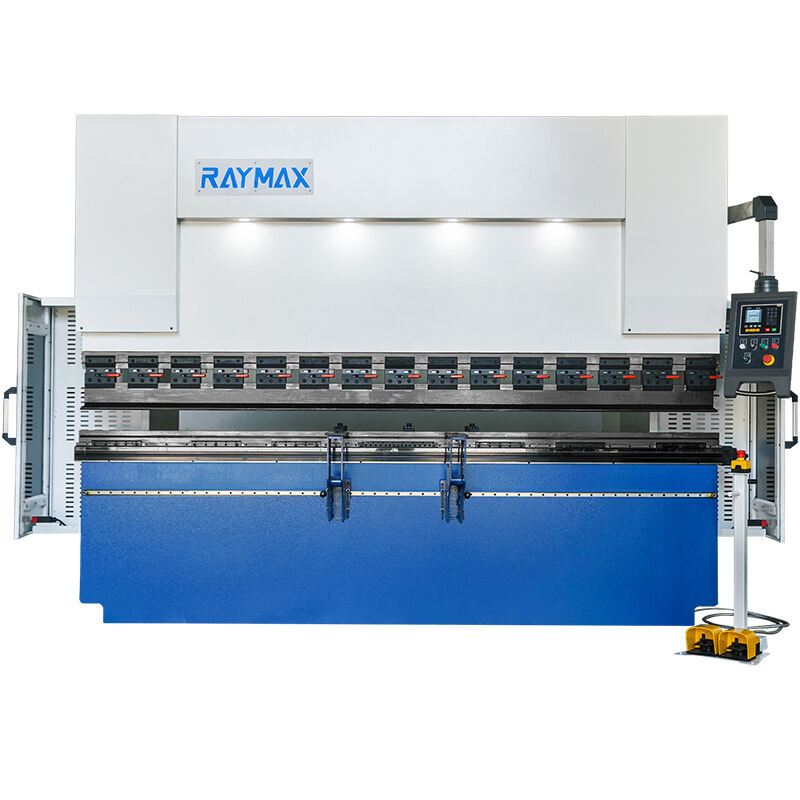
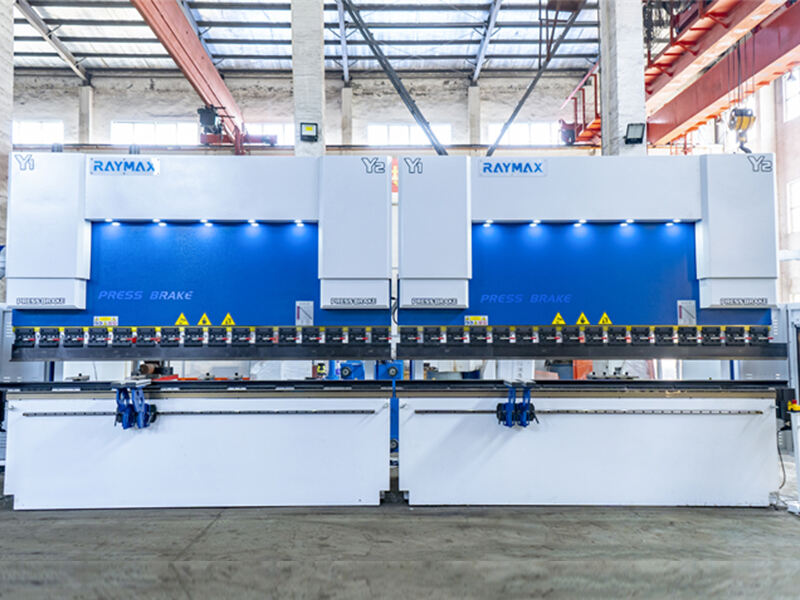
Selecting the correct tonnage for a hydraulic press brake is one of the most critical decisions in equipment procurement, as tonnage directly determines the range of materials and thicknesses the machine can process efficiently. The required tonnage for air bending can be calculated using the formula: tonnage = (material tensile strength 脳 thickness虏 脳 die width factor) / die V-opening width. For mild steel with 450 N/mm虏 tensile strength, a general rule is that the required tonnage per meter of bend length equals approximately 0.6 脳 (material thickness in mm)虏 for a V-die opening of 8 times material thickness. For carbon steel up to 6mm thickness, 40 to 60 ton machines typically suffice. For 6mm to 12mm thickness, 60 to 85 ton machines are recommended. For 12mm to 25mm thickness, 100 to 200 ton machines provide necessary capacity. For high-strength materials such as stainless steel or armor plate, tonnage requirements increase by 40 to 60 percent compared to mild steel of equivalent thickness. The industry 80 percent rule suggests that a 100-ton brake should typically run below 80 tons, reserving the top 20 percent for thicker material or worn tooling to prevent overloading. A 300-ton hydraulic brake makes sense for bending 1/2-inch plate all day or forming heavy brackets that truly demand that force. However, over-specifying tonnage for consistently thin materials may result in unnecessary capital expenditure without proportional productivity benefits. Material type significantly influences tonnage requirements: stainless steel requires approximately 40 percent more force than mild steel of equivalent thickness, while aluminum requires less force, making it suitable for lower-tonnage machines. The die V-opening width is typically selected as 6 to 12 times the material thickness for air bending, with 8 times thickness being a common starting point. A wider V-opening reduces required tonnage but produces a larger inside bend radius, while a narrower V-opening increases tonnage requirements but creates sharper bends. For 1.5mm mild steel, a 12mm V-die might be appropriate, requiring approximately 45 tons per meter of bend length. For 3mm steel, a 24mm V-die requires about 51 tons per meter. When evaluating hydraulic press brakes, consider not only current material thickness requirements but also potential future applications, as higher tonnage machines provide greater flexibility for processing thicker materials and high-strength alloys. Our hydraulic press brakes are available with tonnage ratings from 40 tons to 2000 tons and working lengths from 1600mm to 12000mm. Contact our applications engineering team to receive a detailed tonnage recommendation based on your specific material mix, thickness range, and production volume requirements.
27
Nov
27
Nov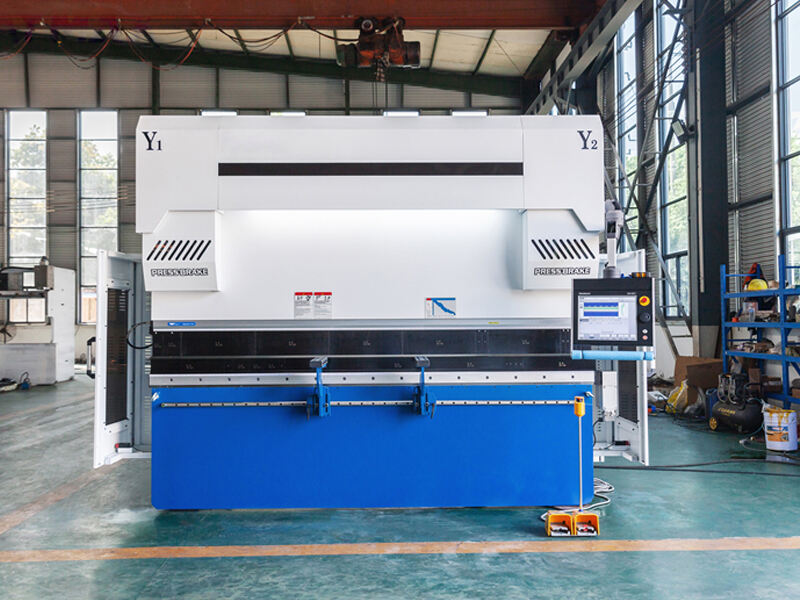
27
Nov
19
Sep
 EN
EN