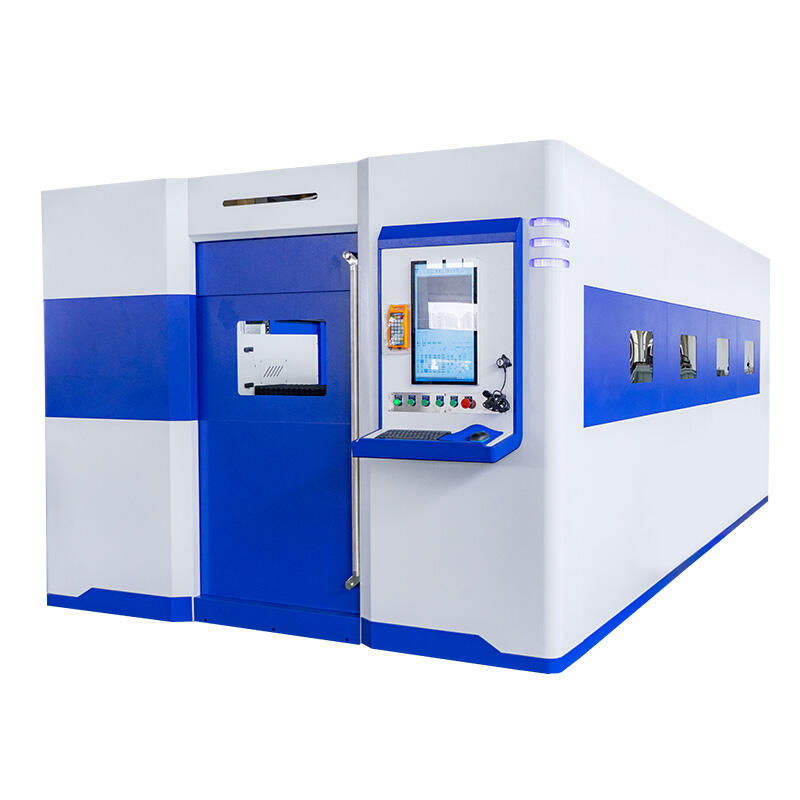
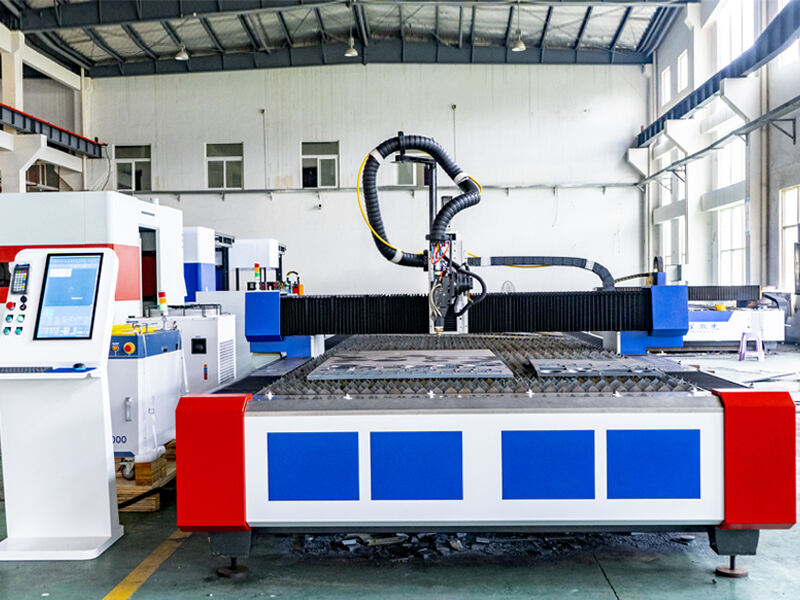
Aluminum cutting with fiber laser cutters has become increasingly reliable and efficient as laser technology has advanced, enabling fabricators across automotive, aerospace, marine, and consumer electronics industries to process this lightweight, corrosion-resistant material with unprecedented speed and quality. Aluminum’s high reflectivity to near-infrared laser wavelengths and exceptional thermal conductivity, which conducts heat away from the cut zone 4 to 5 times faster than steel, present unique challenges that modern fiber laser cutters have overcome through higher power density, optimized beam parameters, and specialized cutting modes. Fiber laser cutters with 3kW power process aluminum up to 10mm thickness, 6kW systems handle up to 16mm, and 12kW machines cut aluminum up to 30mm thickness, with nitrogen assist gas used to prevent oxidation and produce a bright, clean edge. For thin aluminum materials down to 0.5mm used in consumer electronics enclosures, heat sinks, and automotive trim, lower assist gas pressure prevents material deformation while still achieving clean separation, with cutting speeds exceeding 30 meters per minute on 0.5mm to 1mm material. The key to successful aluminum cutting lies in the fiber laser’s 1064nm wavelength, which is absorbed approximately 5 to 10 times more efficiently by metals compared to CO2 laser wavelengths, dramatically reducing the reflectivity problem that prevented reliable aluminum cutting with older laser technologies. For aerospace clients cutting 3mm aluminum alloy 6061 fuselage parts, fiber laser cutters achieve tight radius tolerances while preventing material distortion, with the heat-affected zone measuring under 0.1mm, preserving the material’s mechanical properties essential for structural integrity. For electric vehicle battery tray manufacturing, where aluminum components require precise cut edges to ensure proper sealing and assembly, fiber laser cutters maintain precise cut quality essential for subsequent welding and sealing operations, as rough or oxidized edges can compromise weld integrity and corrosion resistance. The high thermal conductivity of aluminum requires higher peak power to maintain cutting front temperatures, addressed through pulse modulation capabilities that deliver high peak power for material ignition followed by controlled power during the cut progression. For 5052-H32 aluminum, which has excellent formability, fiber laser cutters achieve smooth, burr-free edges suitable for direct use without secondary finishing. For 7075-T6 aluminum used in high-stress aerospace components, minimum bend radii after cutting are 1.5 to 2 times material thickness to prevent cracking, with the laser-cut edge requiring no additional preparation before forming. Real-time adaptive power control monitors cut quality and adjusts parameters automatically when cutting aluminum sheets that may have slight variations in thickness or surface condition, maintaining consistent results across production batches. Contact us to discuss fiber laser cutter configurations optimized for your specific aluminum alloy and thickness requirements.
27
Nov
27
Nov
27
Nov
 EN
EN