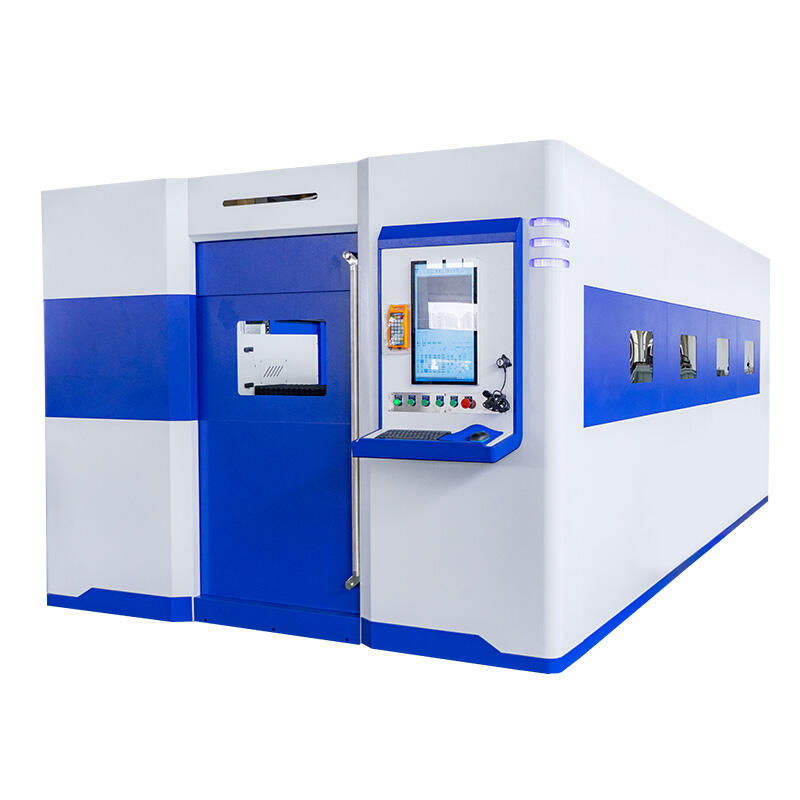
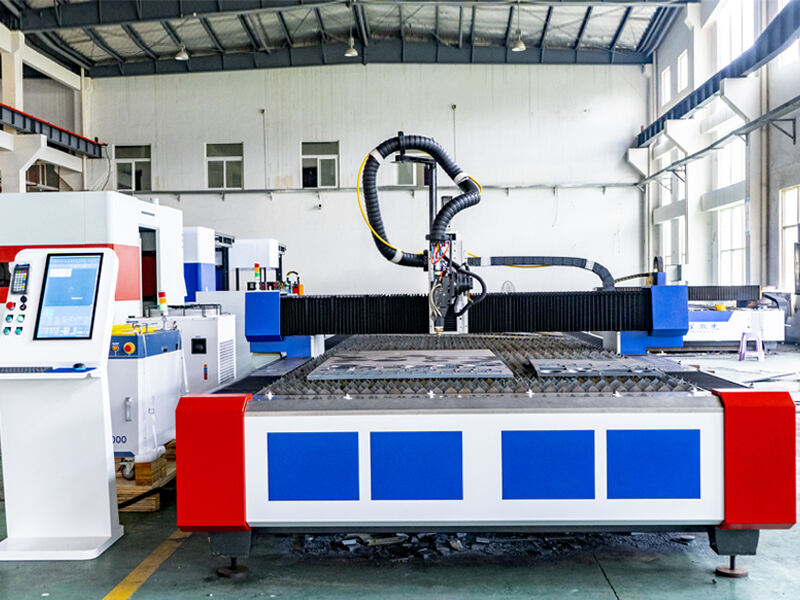
Safety considerations for fiber laser cutters extend beyond the hazards associated with traditional cutting equipment, requiring specific controls for laser radiation exposure, fume extraction, electrical safety, and fire prevention. Fiber laser cutters are classified as Class 4 laser products, the highest hazard class, indicating that the direct laser beam and diffuse reflections are hazardous to both eyes and skin. Complete laser safety enclosures around the cutting area are standard on industrial fiber laser cutters, incorporating interlocked access doors that automatically shut down laser emission when opened, preventing accidental exposure during operation. The fully enclosed design greatly reduces laser radiation, making these machines particularly suitable for environments with strict safety requirements such as aerospace and medical device manufacturing facilities. Laser safety eyewear with optical density ratings appropriate for the 1064nm wavelength must be worn by all personnel in the laser controlled area, with typical protection requiring optical density of 6 or higher, reducing transmitted energy by a factor of one million. For CE certification, which is mandatory for laser equipment entering the European market, fiber laser cutters must comply with EN 60825-1 for laser source safety and EN ISO 11553-1:2020 for overall machine safety as a complete laser processing system, covering classification, labeling, and design requirements to minimize exposure to hazardous laser radiation. The cutting fumes generated during laser cutting contain metal oxides, particulates, and potentially hazardous compounds depending on the material being processed, requiring extraction at the source to prevent operator inhalation. Integrated fume extraction systems capture over 98 percent of cutting fumes, maintaining air quality within occupational exposure limits and keeping the work environment clean. Fire safety is a critical consideration, as the high temperatures involved in laser cutting can ignite combustible materials. The machine’s work area is constructed from fire-resistant materials, and an automatic fire suppression system is available for applications involving materials that present elevated fire risk, such as aluminum and titanium. The dust cover and protective enclosures are made from fire-resistant and flame-retardant materials that are not easy to break or degrade after prolonged use, also preventing sparks from escaping the cutting area. Electrical safety requires proper grounding of the machine chassis and all connected equipment, with residual current circuit breakers installed on the main power supply. Emergency stop buttons positioned at each operator station and at the laser source, with multiple independent emergency stop circuits for redundancy, allow immediate machine shutdown if hazardous conditions develop. Operator training programs must cover laser safety fundamentals, proper use of personal protective equipment, emergency shutdown procedures, and routine safety system verification. Our fiber laser cutters are designed to meet CE certification requirements and comply with international laser safety standards. Contact our safety engineering team for documentation on safety features and training programs for your fiber laser cutter.
27
Nov
27
Nov
19
Sep
 EN
EN