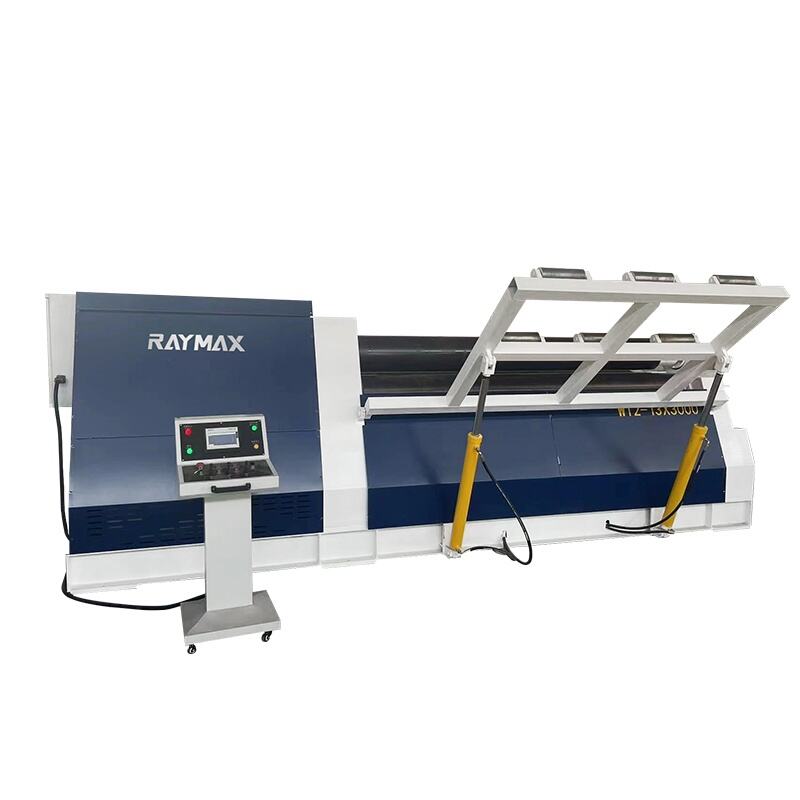
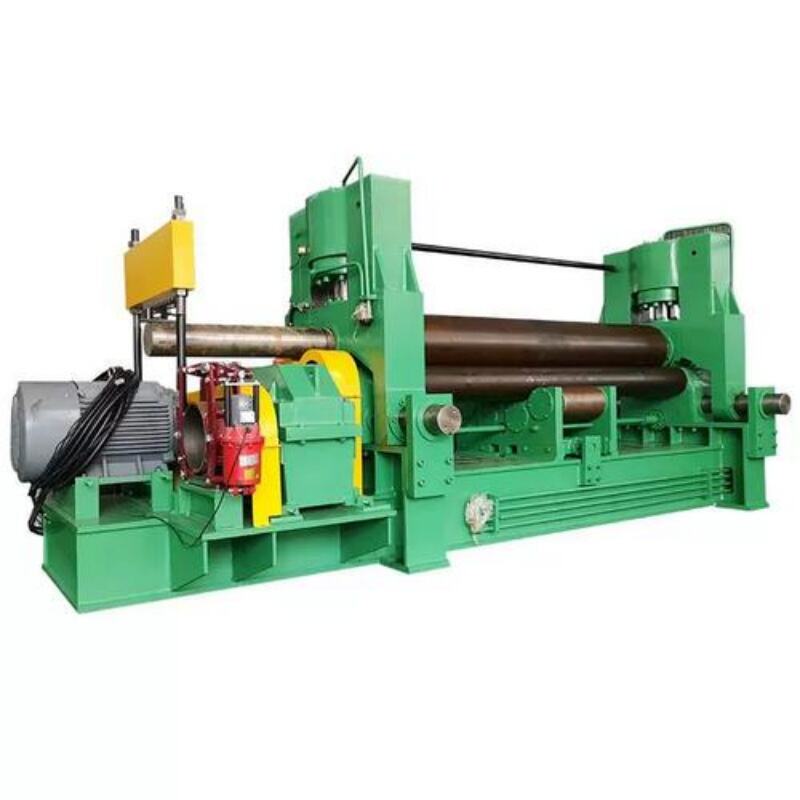
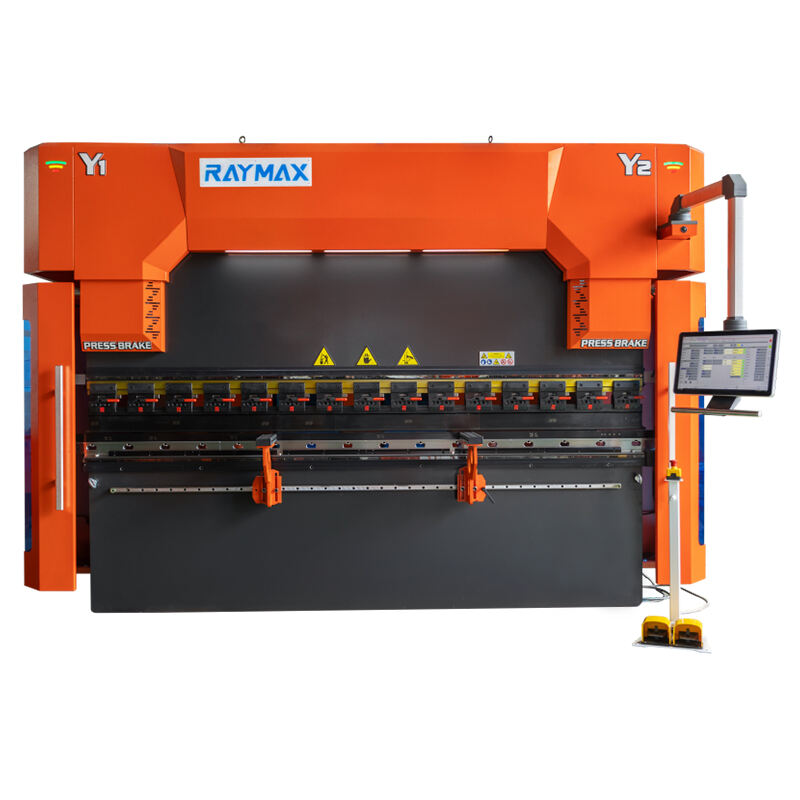
Springback compensation is a critical capability of modern CNC metal rolling machines, addressing the tendency of metal to partially return to its original shape after the bending force is released. Springback occurs because metal has elastic as well as plastic properties; when the plate is rolled, it deforms plastically, but when the force is removed, the material recovers elastically, causing the final curvature to be larger (less curved) than the shape formed by the rolls. The amount of springback depends on material type, yield strength, thickness, and bend radius. CNC rolling machines manage springback compensation through predictive algorithms, real-time feedback systems, and controlled over-bending techniques to counteract the elastic recovery of metal after deformation. The CNC system incorporates material compensation algorithms that calculate adjustments based on the type of metal, thickness, yield strength, and elastic modulus. These algorithms automatically modify the rolling force and geometry as the material is being processed, ensuring that the material’s final shape remains true to the desired specifications. Advanced systems use real-time sensors to measure curvature during the rolling process, feeding data back to the controller for immediate adjustment of roll position and pressure. This closed-loop control enables the machine to compensate for variations in material properties within the same batch, reducing scrap rates and improving production speed by 20–25%. A CNC rolling machine with advanced springback compensation can reduce material waste by up to 15%. Automated deflection compensation systems maintain angular deviation below 0.5° across long plates, ensuring consistent geometry even under high loads. Modern CNC interfaces eliminate 70% of manual calculation, reducing operator dependency and improving first-part accuracy. Our metal rolling machines feature advanced springback compensation algorithms integrated with the CNC control system, enabling precise forming of high-strength materials and reducing trial-and-error scrap. Contact our applications team to discuss springback compensation approaches optimized for your specific material types and production requirements.
27
Nov
27
Nov
27
Nov
 EN
EN