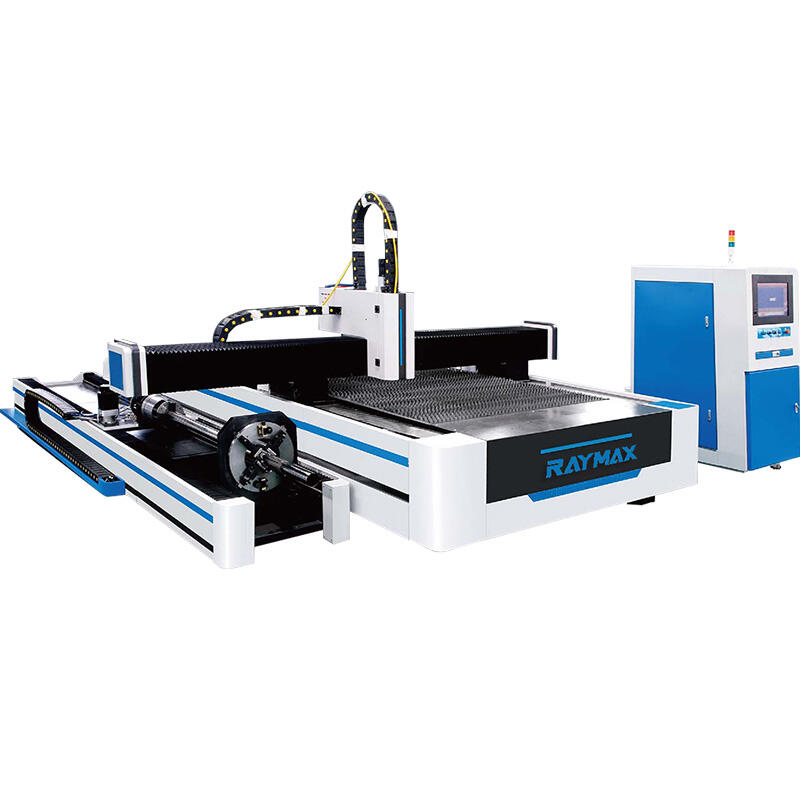
Laser welding machines achieve superior weld quality through the precise control of multiple process parameters including laser power, pulse frequency, beam oscillation pattern, focal position, travel speed, and shielding gas selection. Laser power determines the energy input to the weld zone, with higher power enabling deeper penetration and faster travel speeds. For carbon steel plates of 3mm thickness, a 1,500 watt laser welding machine operating at a travel speed of 2 meters per minute achieves complete penetration with a weld bead width of approximately 1.5mm when using keyhole mode welding. Beam oscillation, also known as wobble welding, has emerged as a critical capability for modern laser welding machines, allowing the laser spot to trace programmed patterns such as circles, figure-eights, or linear oscillations at frequencies up to 500 Hertz. Oscillation welding improves gap tolerance from the typical 0.1mm limit for conventional laser welding up to 0.5mm, significantly reducing fit-up requirements and enabling successful welding of stamped or formed components with inconsistent edge conditions. Focal position relative to the workpiece surface influences penetration depth and weld profile characteristics. A focal position set at negative defocus, where the beam focuses slightly below the workpiece surface, increases penetration depth for thick-section welding applications by maintaining keyhole stability through the full material thickness. Travel speed must be carefully matched to laser power to achieve optimal weld quality, with speeds ranging from 20mm per second for thick materials requiring deep penetration up to 120mm per second for thin materials where heat input must be minimized. Shielding gas selection varies by material, with argon used for stainless steel and titanium to prevent oxidation and stabilize the weld pool, helium for aluminum to improve penetration depth and reduce porosity, and nitrogen for austenitic stainless steels to reduce heat tint and prevent chromium depletion. Shielding gas flow rates between 10 and 25 liters per minute are typical, delivered through a coaxial nozzle that protects the weld pool and solidifying weld metal from atmospheric contamination. The relationship between these parameters follows complex interactions that experienced process engineers can optimize for specific material combinations. Our laser welding machines feature programmable parameter storage, allowing operators to recall optimized settings for repeat jobs instantly, eliminating trial-and-error setup. Contact our process engineering team to receive optimized parameter recommendations for your specific material combinations and joint configurations.
27
Nov
27
Nov
27
Nov
 EN
EN