



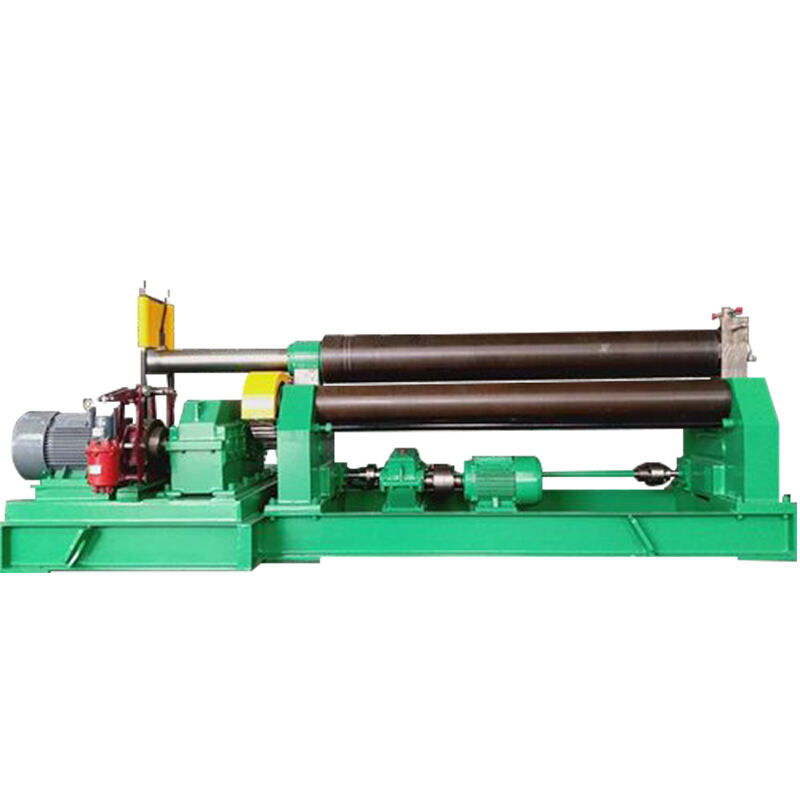
The return on investment for a plate rolling machine depends on quantifiable improvements in productivity, labor efficiency, material utilization, and quality that typically deliver payback within 12 to 24 months for operations with moderate to high fabrication volumes. Compared to manual rolling methods or press brake bending of cylindrical shapes, a hydraulic plate rolling machine reduces direct labor requirements by 50-70% by automating the rolling cycle, with each part moving from flat plate to finished cylinder in minutes rather than hours. Setup time reduction is equally significant, as CNC-controlled systems and stored rolling programs enable function transitions in under 60 seconds compared to 5 to 10 minutes required for manual recalibration. For job shops producing many different cylinder diameters weekly, this time savings accumulates to significant productive capacity recovered from changeover activities. Material waste reduction represents another cost-saving dimension. Four-roll plate rolling machines eliminate flat residual edges through integrated pre-bending, reducing material waste by 5-10% compared to three-roll machines that require separate edge pre-bending. For a fabricator processing $100,000 worth of steel plate annually, this waste reduction alone saves $5,000 to $10,000 per year. Energy efficiency further improves operating economics, with modern hydraulic plate rolling machines using variable-speed drives and optimized systems that consume 20-30% less energy than traditional fixed-speed models. Reduced rework costs from improved roundness accuracy—achieving ±1 mm tolerances compared to ±3 mm with manual methods—saves additional labor and material costs. A wind tower manufacturer using a CNC four-roll plate rolling machine reduced rework from 8% to under 1% of production, saving over $50,000 annually in labor and material costs. Although the initial purchase cost of a CNC four-roll plate rolling machine is higher than a manual three-roll model, in the long run, the CNC machine’s accuracy, speed, and automation bring higher returns and lower production costs. The machine’s robust all-steel welded frame, stress-relieved through tempering and vibration treatment, provides years of trouble-free operation with minimal structural degradation. For manufacturers with annual rolling labor costs exceeding $100,000, the productivity gain from converting to CNC plate rolling alone can justify the capital investment within the first operating year. Our financial analysis team can calculate a detailed return-on-investment analysis based on your specific production volumes, material types, and current rolling methods. Contact us to schedule a productivity analysis demonstrating potential cost savings for your specific fabrication operation.