Customized services to meet individual needs
rolling metal machine-0
rolling metal machine-1

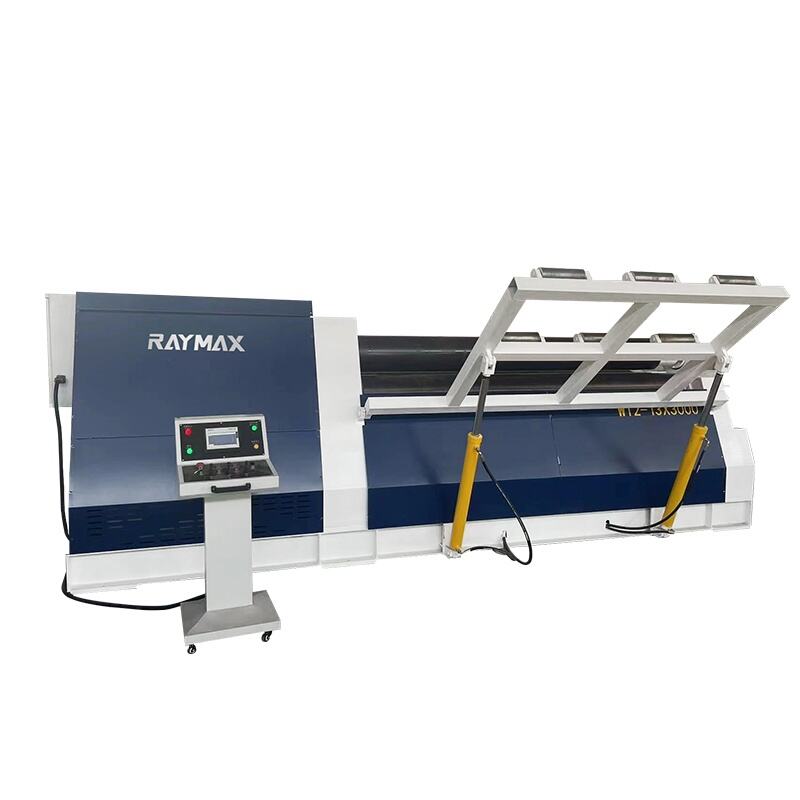
RAYMAX Metal Rolling Machine – Versatile Metal Bending with Adjustable Precision ±0.1mm for Aerospace & Automotive

RAYMAX metal rolling machine serves automotive, aviation, power, and petrochemical sectors with adjustable precision levels from ±0.1mm to ±0.5mm, matching different industry requirements—high precision for aviation parts and standard precision for automotive components. Our metal rolling machines use high-precision rolls manufactured with tight tolerances and smooth surface finishes, made from materials with high hardness and wear resistance to maintain dimensional accuracy over long periods. With CNC integration for precise parameter control and real-time monitoring systems using sensors and lasers, each metal rolling machine ensures consistent quality for demanding industrial metal processing tasks. ISO9001 certified, we guarantee reliable performance for all applications.
Get A Quote

Why choose us?

Versatile Material Processing for Carbon Steel, Stainless Steel, Aluminum

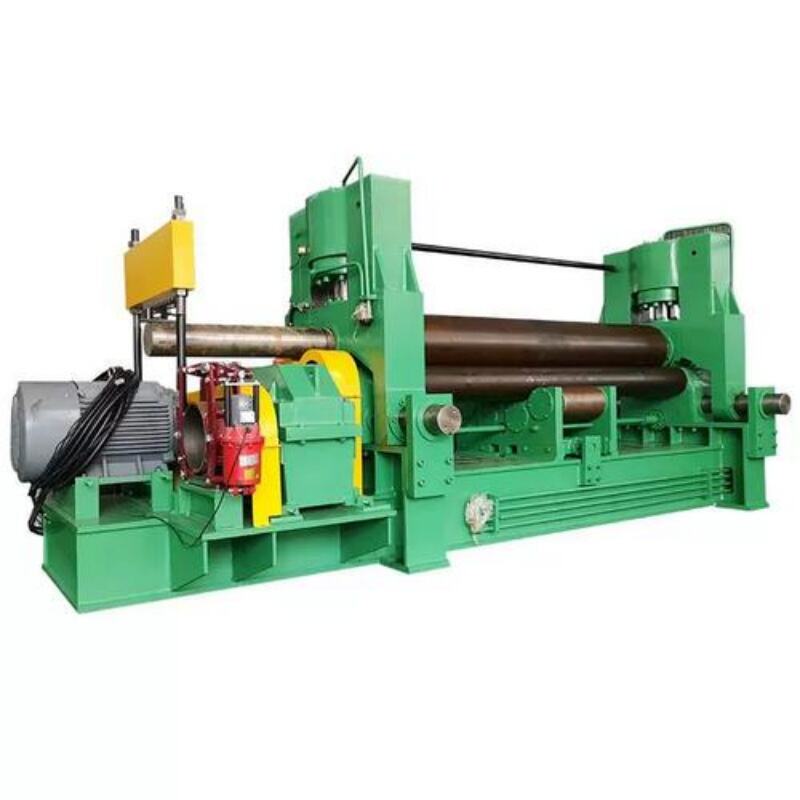
RAYMAX metal rolling machine can roll various materials including carbon steel, stainless steel, aluminum, copper, and alloy metals. Our rolling machines work on sheet metals such as steel, aluminum sheet, and stainless steel sheet as long as the thickness is targeted for your machine production. The three-roll design applies either hydraulic or mechanical force to shape flat sheets into accurate cylinders, with adjustable precision levels from ±0.1mm to ±0.5mm to match different industry requirements—high precision for aviation parts, standard precision for automotive components. Applications include pressure vessels, storage tanks, pipes, boiler components, and tunnel arches. Backed by ISO9001 certification, RAYMAX metal rolling machines ensure consistent quality and performance for demanding industrial metal processing tasks.

Three-Roller and Four-Roller Configurations Available

RAYMAX offers different types of rolling machines including W11 three-roller for general sheet shaping and four-roller models for pre-bending applications. The three-roller design is a very affordable and economical plate rolling machine, best for general fabrication shops. The four-roller rolling machine is suitable for bending work of sheet metal, capable of rolling round, arc, and tapered workpieces with pre-bending function at the end of the board, leaving minimal straight edges. RAYMAX also offers roll forming and rolling machines that combine roll forming (for continuous profile shaping) and rolling (for arc forming) in one unit, ideal for automotive door frames and construction roofing sheets. This variety ensures customers find the exact configuration for their specific applications.

Heavy-Duty Construction for Continuous Industrial Use

RAYMAX metal rolling machines are made with high-grade materials and go through rigid quality control to ensure they can be treated as heavy-duty machines. The induction-hardened rollers (HRC 55-58) resist wear and galling when rolling abrasive materials like hot-rolled carbon steel and weathering steel. Rolling speeds are infinitely variable from 1 to 8 m/min via a potentiometer. Capacities reach up to 4000mm width and 40mm thickness for structural steel. This metal rolling machine is used in bridge fabrication, wind tower manufacturing, and heavy equipment production. RAYMAX provides operator training videos and a digital maintenance logbook with every machine, ensuring long-term reliability. With over 4,000 machines installed globally since 2002, RAYMAX's metal rolling machines are known for their ruggedness and ease of maintenance.

Related products

Safety features integrated into modern metal rolling machines protect operators during setup, operation, and maintenance activities while ensuring compliance with international safety standards including CE certification. Essential safety systems include emergency stop buttons positioned for easy access from multiple operating locations, allowing immediate machine shutdown if hazardous conditions develop during operation. The hydraulic system includes mechanical brakes, stabilizer valves, emergency stop systems, and safety monitors for instant shutdown when necessary. OSHA’s 29 CFR 1910.212 establishes general machine guarding requirements to protect workers from hazards such as moving parts, rotating blades, or exposed gears. Operators must wear and use labor protection equipment correctly in accordance with regulatory requirements. The operator should master the equipment and facilities performance, safety standard requirements, and operating procedures of the rolling machine, be familiar with the hazards of the post, safety precautions, and emergency treatment methods, and operate in strict accordance with safety regulations. The thickness of the rolled steel plate must meet the maximum specified thickness of the machine, and overload work is strictly prohibited to prevent damage to the equipment and potential injury. Lockout-tagout provisions enable safe maintenance access by isolating electrical and hydraulic power sources during service activities. Two-hand control stations and light curtains create protected fields around the work zone, preventing operator entanglement. The electrical control system is designed with emergency stop circuits and safety relays that monitor critical safety functions. The rolling machine must be used and kept by a dedicated person, and the operator must be familiar with the structure and performance of the machine tool. Regular safety inspections, hazard investigations, and accident risk analysis should be carried out, with preventive measures kept in mind and strictly implemented. The machine manufacturer and production plant both have an obligation to comply with OSHA laws and regulations. Our metal rolling machines are designed with safety as a priority, incorporating all required safety features and tested to verify compliance before shipment. Contact our safety engineering team for documentation on available safety systems for your metal rolling machine configuration.

Frequently Asked Questions

What is a fiber laser cutter and how does it work?

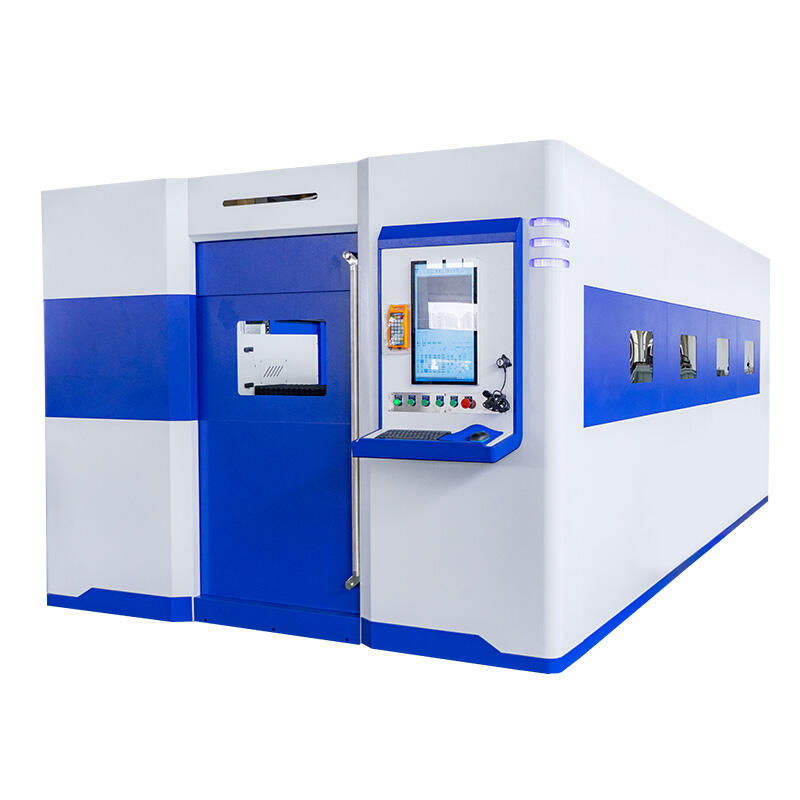
A fiber laser cutter uses a fiber-optic-delivered laser beam (1064nm wavelength) focused into a 0.1mm spot to melt and vaporize metal materials, creating clean, accurate cuts for automotive, aviation, and shipbuilding industries.
Hydraulic press brakes offer greater control over pressure and speed, are quieter, and are better suited for thick or hard materials. They also tend to have longer service lives due to reduced mechanical strain.
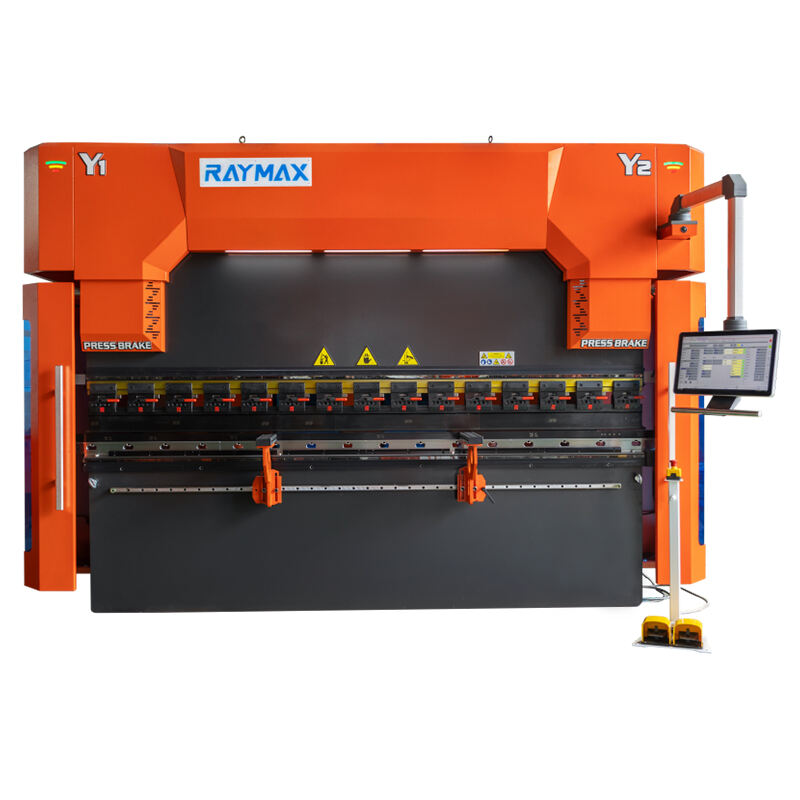
A CNC press brake achieves bending angle tolerances of ±0.1° and repeat positioning accuracy up to ±0.01mm through CNC automatic control, CAD drawing import, automatic angle compensation, and deflection compensation features.
An ironworker machine integrates punching, shearing, notching, and bending in a single setup. It can punch holes up to 32mm in diameter, shear 6-12mm steel plates, and achieve bending angles up to 135°, greatly reducing the need for separate machines.

Related Articles

Working Principle Of Tandem Press Brake

27

Nov

Working Principle Of Tandem Press Brake

View More
What Are The Differences Between CNC Press Brake And NC Press Brake?

27

Nov

What Are The Differences Between CNC Press Brake And NC Press Brake?

View More
The 136th RAYMAX Canton Fair was kicked off

27

Nov

The 136th RAYMAX Canton Fair was kicked off

View More
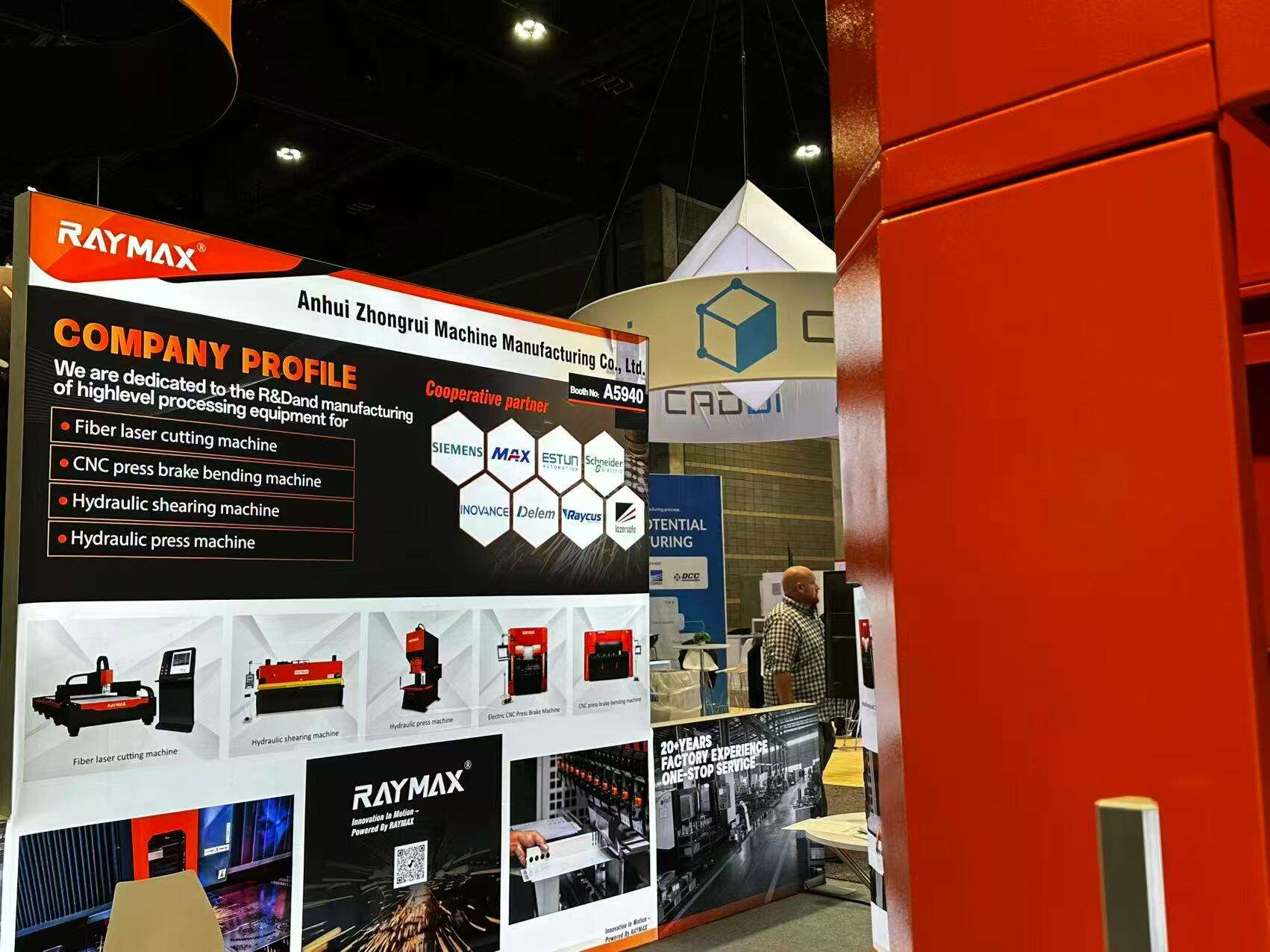
RAYMAX Shines at FABTECH, Smart Bending Shapes the Future!

19

Sep

RAYMAX Shines at FABTECH, Smart Bending Shapes the Future!

View More

Customer Reviews

Mark Chen

RAYMAX metal rolling machine is built for daily heavy use in our steel service center. The induction-hardened rollers (HRC 55-58) resist wear when rolling hot-rolled carbon steel and weathering steel. The hydraulic overload protection system automatically stops the drive if torque exceeds safe limits, preventing roll breakage. The machine processes 4000mm wide plates and 40mm thick structural steel daily. The rolling speeds are infinitely variable via potentiometer. The digital maintenance logbook provided by RAYMAX helps track service intervals. The machine has been running 8-hour shifts for over two years with only routine maintenance. The rugged construction gives us confidence in long-term reliability. RAYMAX's reputation for building durable machines is well-deserved. This metal rolling machine is a true workhorse for high-volume operations.

David Chen

RAYMAX metal rolling machine with optional CNC control stores 50 rolling programs for our standard product families. The closed-loop pressure control system monitors hydraulic pressure 100 times per second and adjusts roll position to maintain constant bending force, essential for rolling thin-wall cylinders without ovality. The CNC system has reduced our setup time for repeat jobs by 70%. The digital inclinometer displays the bending angle in real time. RAYMAX provided a software utility to transfer recipes between our multiple machines via USB stick, ensuring consistency across production lines. The machine processes air receiver tanks and manhole shells with excellent repeatability. The optional automation has allowed us to run the machine with less skilled operators. This metal rolling machine offers a clear upgrade path from manual to automated operation.

Get a Free Quote

Our representative will contact you soon.
Email
Mobile/WhatsApp
Name
Company Name
Message
0/1000
Versatile Material Processing for Multiple Alloys

Versatile Material Processing for Multiple Alloys

RAYMAX metal rolling machine processes carbon steel, stainless steel, aluminum, copper, and alloy metals for automotive, aviation, shipbuilding, and petrochemical industries. With adjustable precision levels from ±0.1mm to ±0.5mm, this machine matches different industry requirements—high precision for aviation parts and standard precision for automotive components. Available in three-roller and four-roller configurations with hydraulic or mechanical drives, the metal rolling machine delivers consistent thickness and material properties essential for product quality and performance, making it an indispensable tool in modern metal fabrication.