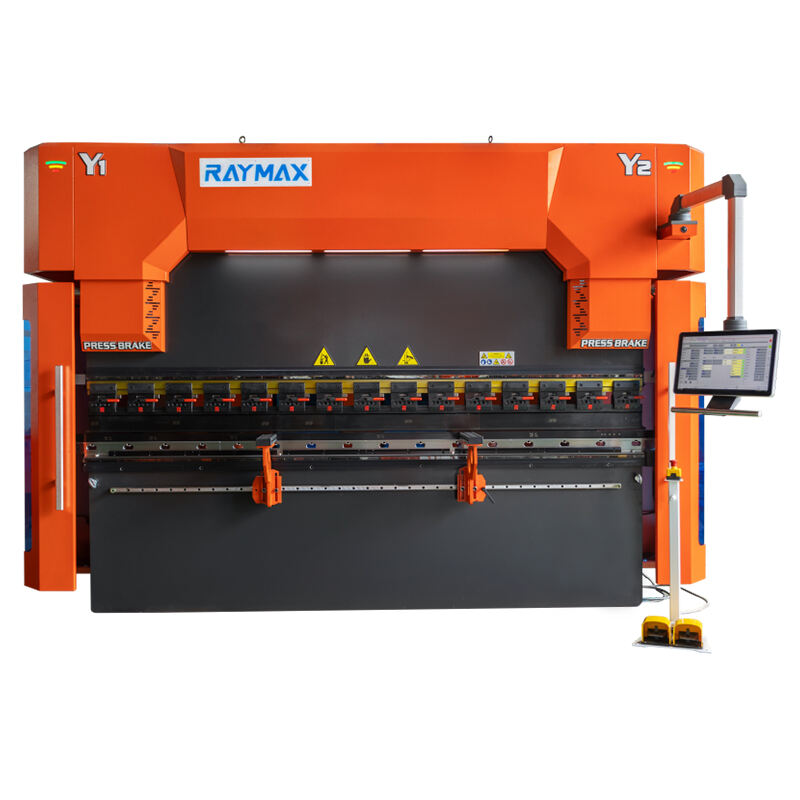
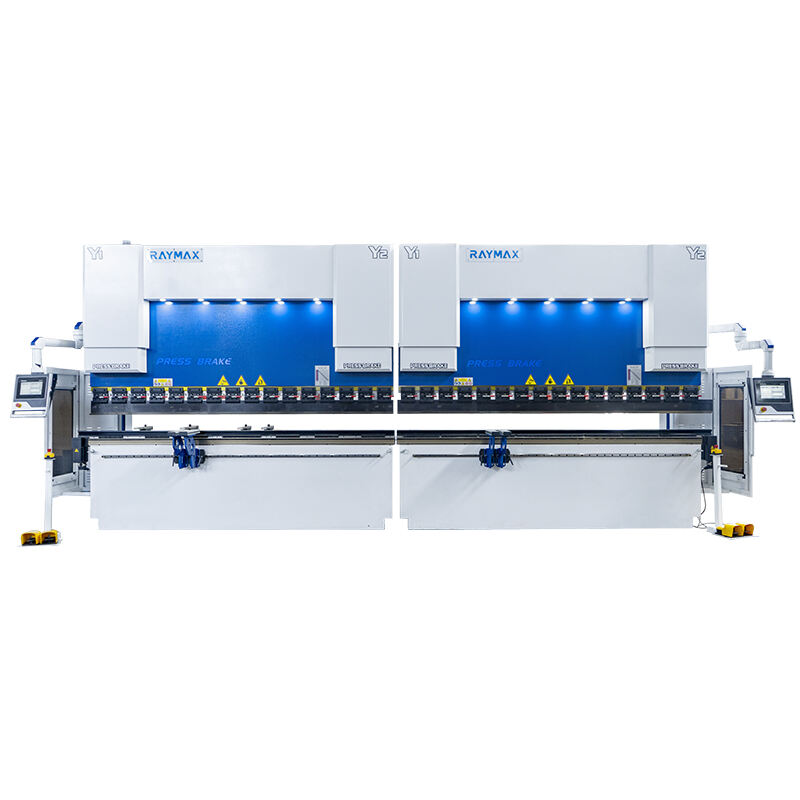
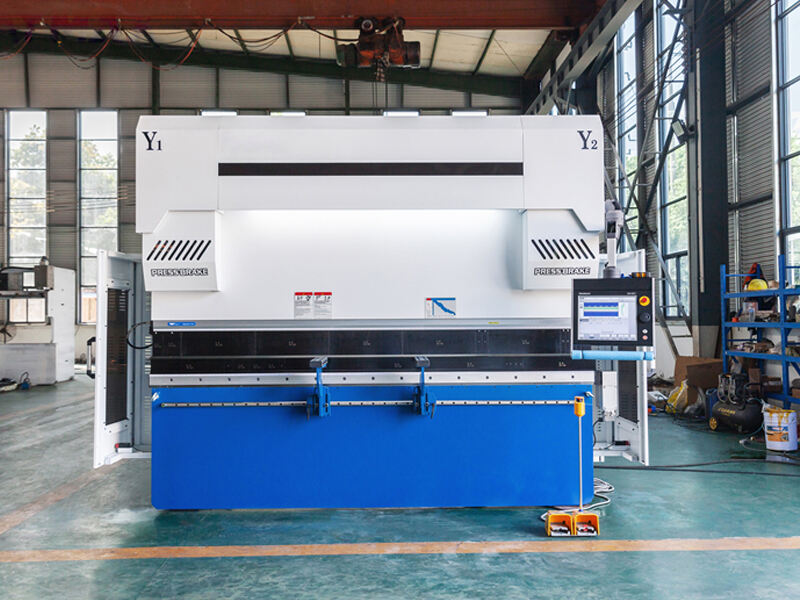
A press brake is a fundamental machine tool used to bend sheet metal and plate materials into predetermined shapes by applying controlled force through a punch and die system. Unlike shearing machines that cut material, a press brake creates permanent deformation by pressing a metal workpiece against a die, allowing it to form precise angles, channels, or complex profiles. The core components include a robust frame that withstands immense bending forces without excessive deflection, a ram that holds the upper punch and moves vertically, a worktable that supports the lower die, and a hydraulic or servo-electric drive system that powers ram movement. The required tonnage for bending can be calculated using material thickness, tensile strength, and die V-opening width, with a general rule being approximately 0.6 tons per square millimeter of material thickness for mild steel. For carbon steel up to 6mm thickness, a 40 to 60 ton press brake typically suffices, while 6mm to 12mm thickness requires 60 to 85 tons, and 12mm to 25mm thickness demands 100 to 200 tons. Our press brake machines are manufactured in our 20000-square-meter facility by 400 skilled personnel, with 60 percent holding middle and senior technical positions, ensuring each machine meets stringent quality standards from design through final delivery. The global press brake market was valued at approximately 708.60 million dollars in 2025 and is projected to reach 1.16 billion dollars by 2032, growing at a compound annual growth rate of 7.28 percent, reflecting sustained demand across automotive, aerospace, shipbuilding, and construction industries. Contact our sales team to discuss which press brake tonnage and working length best suit your specific material processing requirements.
27
Nov
27
Nov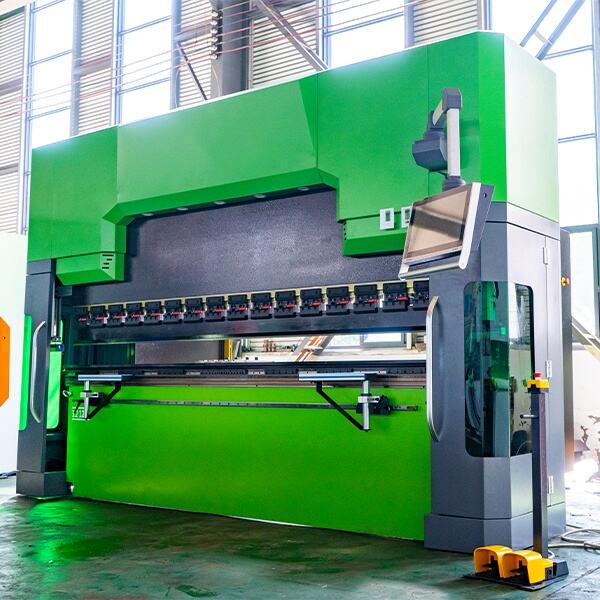
19
Sep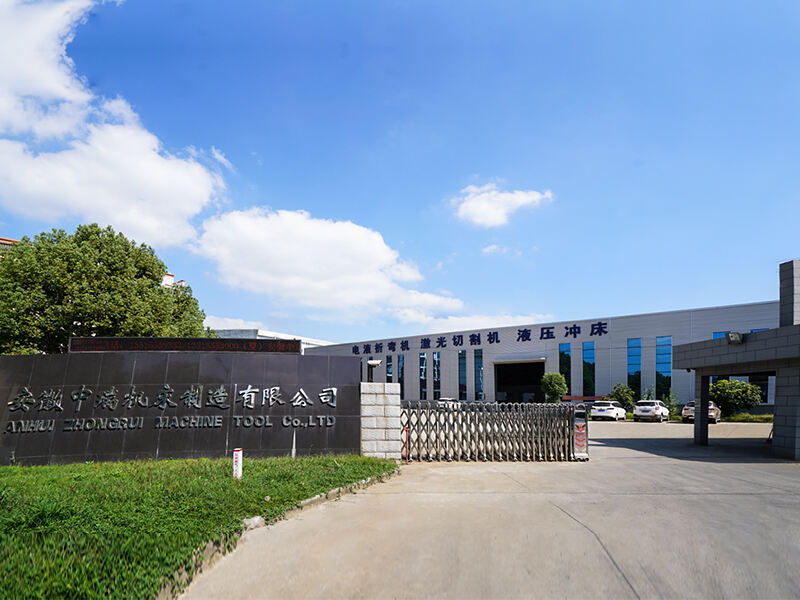
 EN
EN