



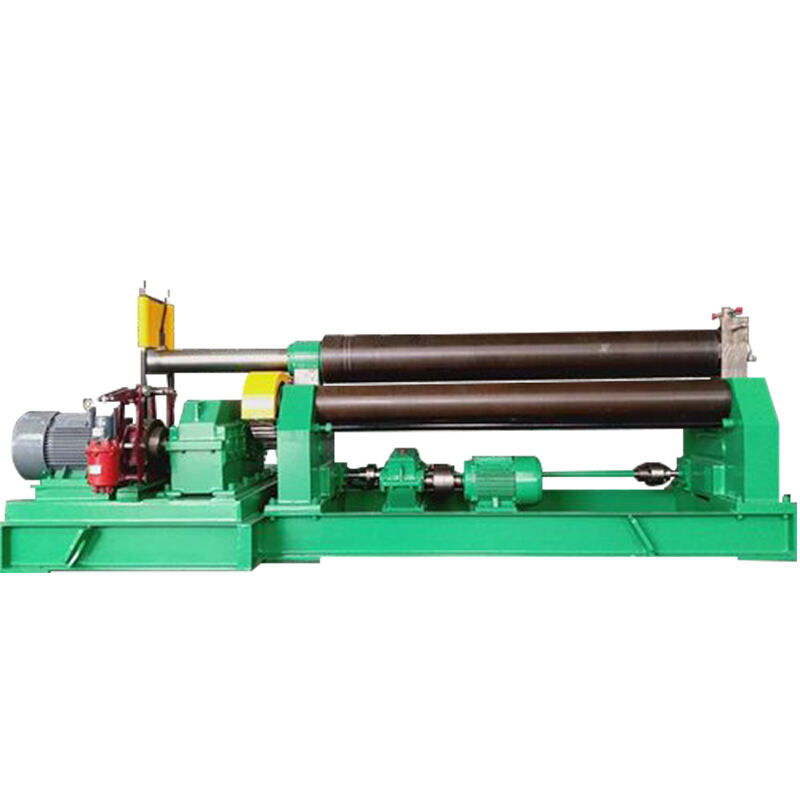
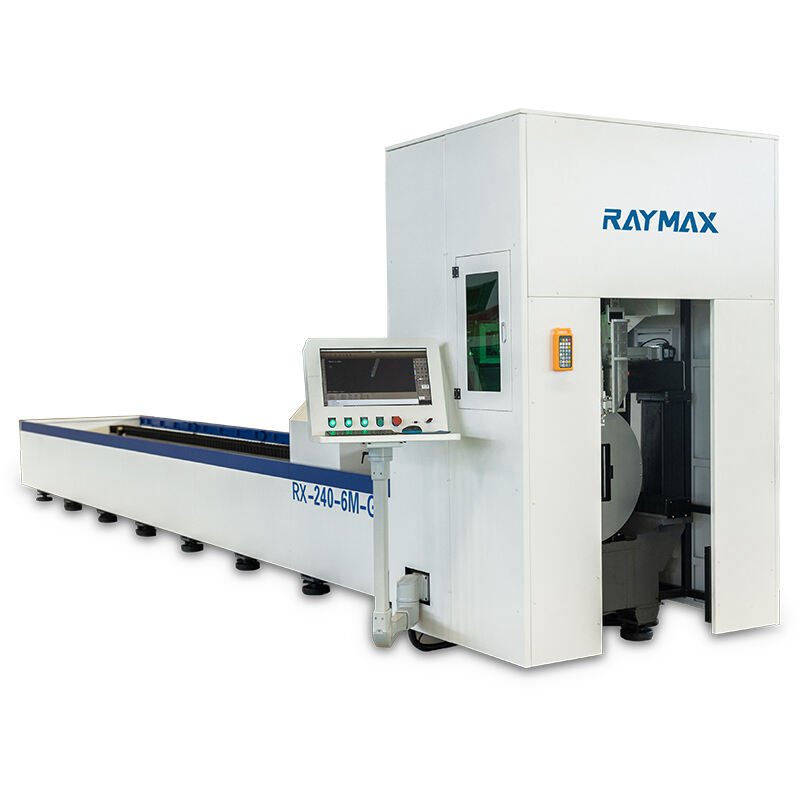
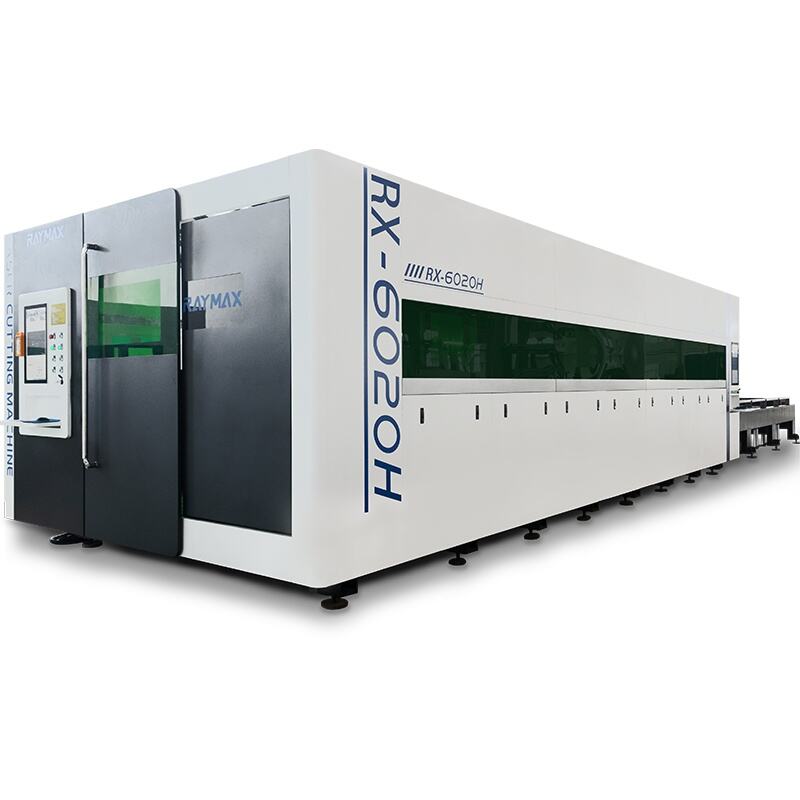
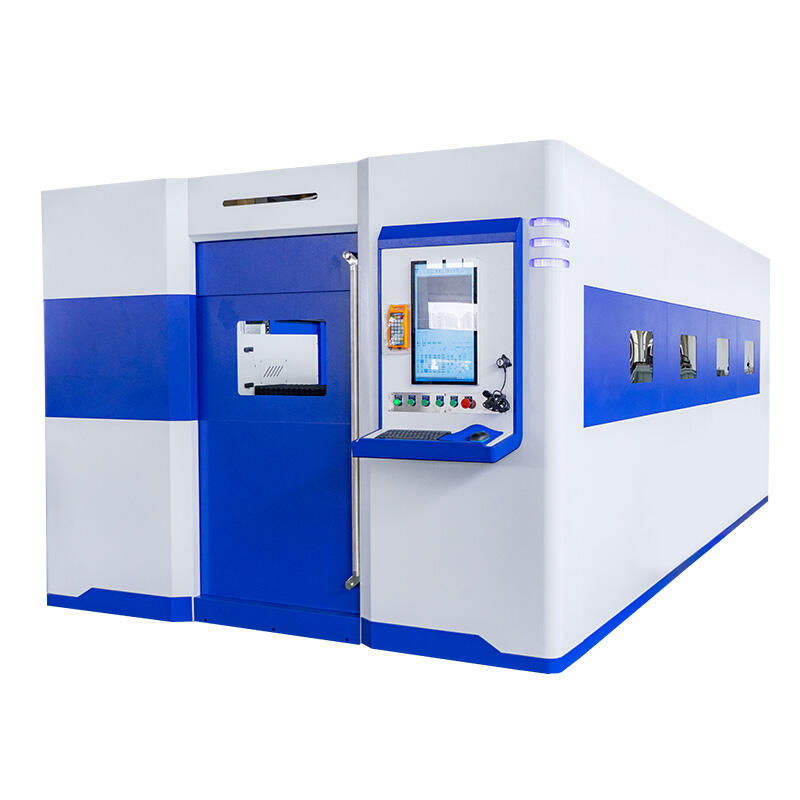
The shipbuilding industry presents unique challenges for plate rolling due to the combination of thick marine-grade steel plates, large component sizes, and stringent classification society requirements for dimensional accuracy. A modern cargo ship contains thousands of metal components requiring curved or cylindrical shapes, including hull shell plating, ballast tank cylinders, seawater pipeline housings, and deck reinforcement ribs with typical plate thicknesses ranging from 10mm to 50mm depending on structural location and classification requirements. Shipbuilding applications include rolling cylindrical parts such as hull ribs, marine pressure vessels, and fuel tanks. Four-roll hydraulic plate rolling machines maintain stable forming pressure across long plate lengths up to 12 meters, delivering smooth curvature along large hull profiles while achieving diameter variation within tight tolerances to minimize welding gaps during assembly. The ability to roll conical sections is particularly valuable for bow and stern components where tapered geometries are required. RAYMAX’s plate rolling machines are ideal for use in shipbuilding, power generation, and other industries, with our range of machines addressing various thicknesses and types of materials that demand diversity of production. Shipyards benefit from CNC-controlled systems that store rolling programs for repeated component types, reducing setup time between production batches while ensuring each part meets design specifications. The rolling machines are made with high-grade material and go through rigid quality control to ensure they can be treated as heavy-duty machines, providing extended years of reliability. Revolutionary in their invention, RAYMAX rolling machines are equipped with most advanced and peripherals technologies for more effectiveness. For shipbuilding applications requiring rolling of stiffener profiles and structural members, our machines provide the precision and durability required for continuous operation in harsh shipyard environments. The all-steel welding structure eliminates stress through vibration treatment, providing the rigidity and stability required for demanding marine applications. A shipyard case study documented a 60% reduction in rolling time and a 40% reduction in rework costs after upgrading to a four-roll hydraulic plate rolling machine. Our plate rolling machines have been deployed in shipyards across Southeast Asia and the Middle East, supporting the construction of commercial vessels, offshore platforms, and naval ships. Contact our marine industry specialists to learn how our plate rolling solutions serve shipbuilding and offshore structure fabrication.