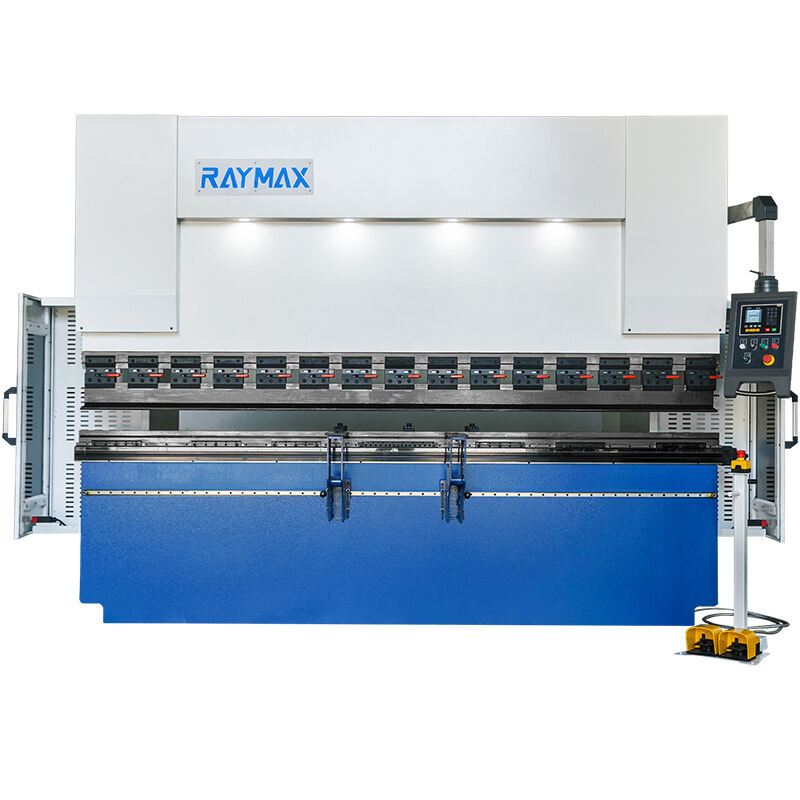
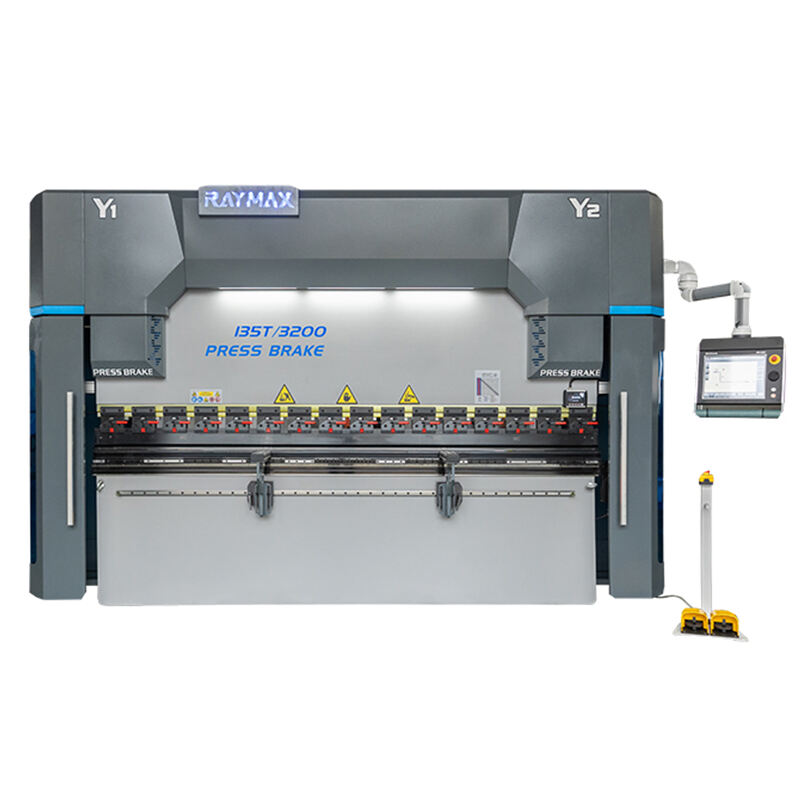
Energy efficiency has become a critical factor in CNC press brake selection, driven by rising electricity costs, environmental regulations, and corporate sustainability goals. Different drive technologies offer dramatically different energy consumption profiles, with electric servo press brakes leading the efficiency race. Under full load, a modern electric CNC press brake draws roughly five kilowatts, representing approximately a 67 percent reduction compared to a traditional hydraulic machine. An all-electric press brake can hold above 88 percent efficiency across an 8-hour shift because it only draws power during ram movement. In contrast, a traditional hydraulic system runs its motor continuously, consuming power even when idle between bends. Electric press brakes eliminate hydraulic oil entirely, removing the need for regular fluid replacement and disposal. The energy consumption of hydraulic press brakes varies significantly based on pump technology. Conventional fixed-displacement pump systems run continuously, wasting substantial energy during idle periods between bends. Variable-speed pump drives, often called servo-hydraulic or hybrid systems, adjust motor speed based on demand, reducing energy consumption by 30 to 60 percent compared to fixed-displacement systems. Electro-hydraulic servo pump systems cut power consumption by up to 60 percent and ensure quiet operation, with the servo-driven pump running only when needed, lowering oil temperature and reducing cooling requirements. For a shop operating multiple press brakes on multiple shifts, the cumulative energy savings from efficient drive technology can reach tens of thousands of dollars annually. Hybrid press brakes combine conventional hydraulic power with AC servo pump motors, delivering the power of hydraulics with the efficiency of electric drives. Noise reduction accompanies energy efficiency improvements. Electro-hydraulic servo systems operate quietly during standby at approximately 25 dB, with low noise during pressing and return operations. Electric servo press brakes achieve noise levels below 70 dB, making them suitable for indoor manufacturing environments where noise restrictions apply. When evaluating total cost of ownership, energy consumption should be considered alongside initial purchase price, maintenance costs, and productivity. A higher-priced electric or hybrid machine may deliver lower total cost over its lifetime than a cheaper conventional hydraulic machine. Our CNC press brakes are available with conventional hydraulic, electro-hydraulic servo, and full electric servo drive systems. Contact our sales team to discuss which drive technology offers the best total cost of ownership for your specific production profile.
27
Nov
27
Nov
27
Nov
 EN
EN