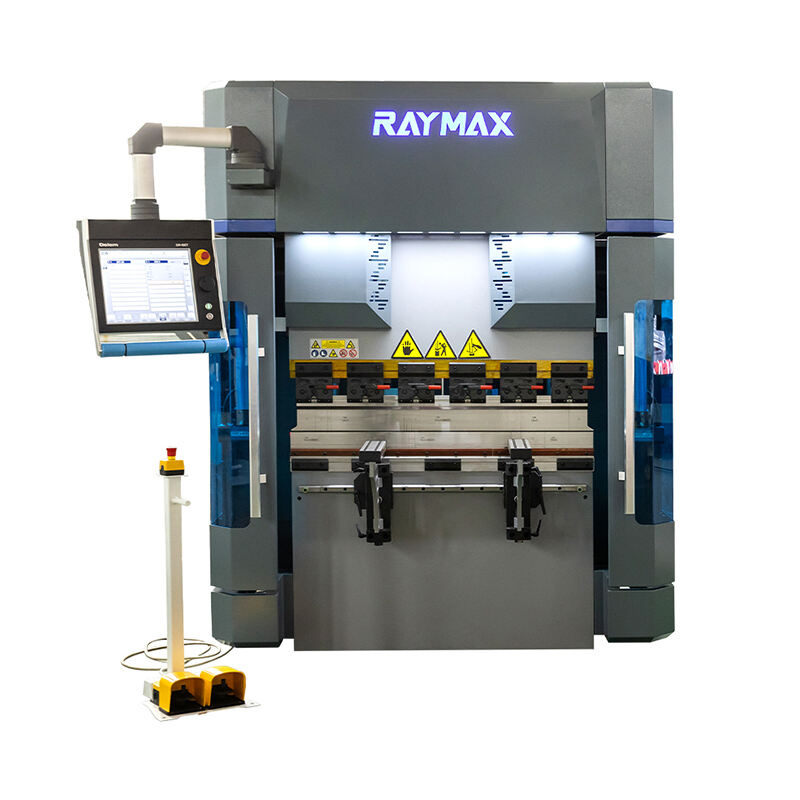
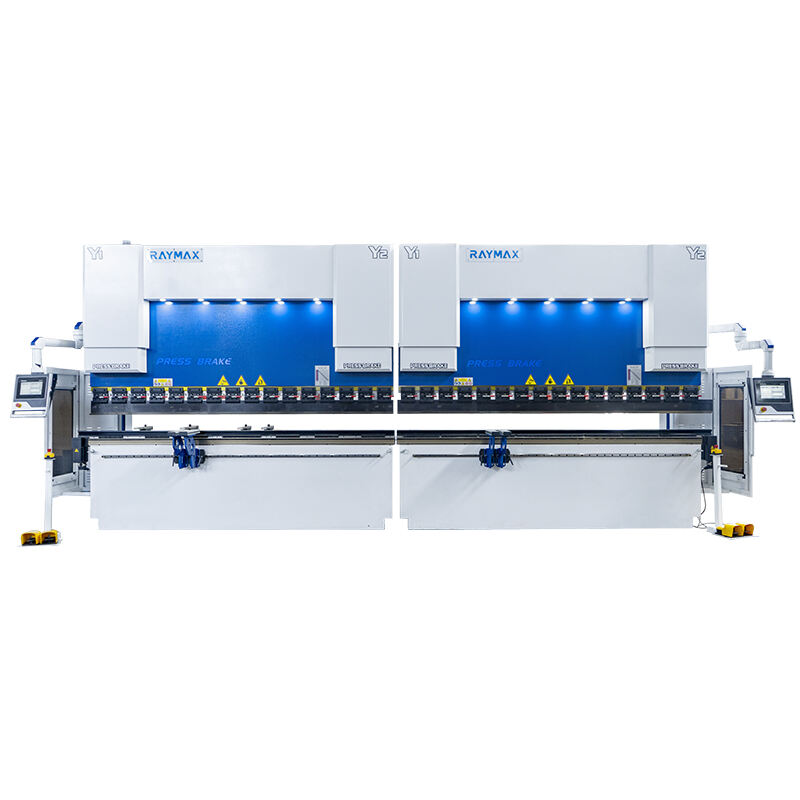
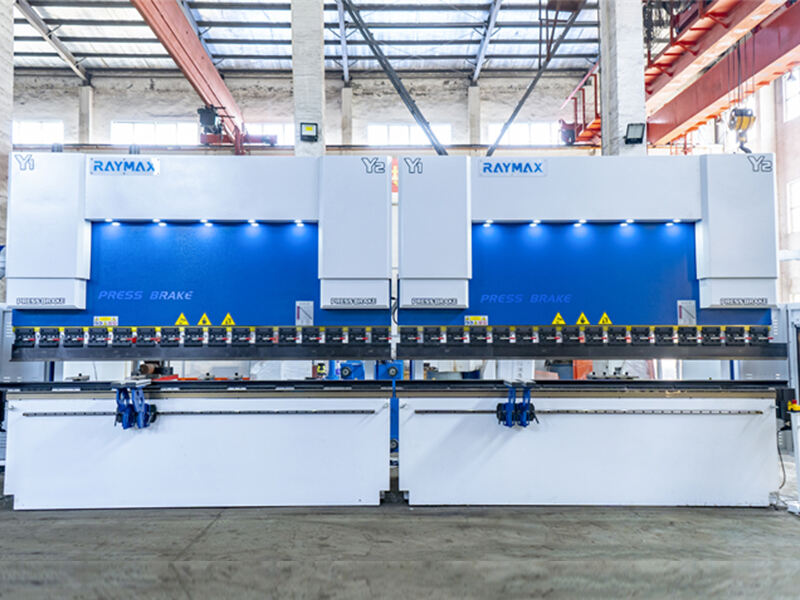
Preventive maintenance is essential for maximizing hydraulic press brake service life and maintaining consistent bending accuracy across production runs. Daily maintenance procedures for hydraulic press brakes include checking hydraulic oil levels in the power unit, verifying that the pump operates normally without unusual noise or vibration, inspecting all hoses and fittings for leaks, and ensuring the pressure relief valve functions correctly. The lubrication system requires daily verification that oil or grease reaches all moving joints, bearings, and pivot points, with manufacturer-recommended lubricants applied to slide ways, ram guides, and ball screws. Weekly inspections should focus on tooling condition, checking punches for wear or chipping, dies for cracking, and verifying that quick-clamp systems are secure. Backgauge calibration should be verified weekly, checking that positioning accuracy remains within specification and that all axes move smoothly without binding or excessive backlash. Monthly maintenance involves cleaning the hydraulic system breather cap, inspecting all electrical connections for tightness, checking the condition of safety guards and interlocks, and verifying that all fasteners remain torqued to specification. For machines with hydraulic crowning systems, the crowning cylinders and hydraulic lines should be inspected for leaks or irregular operation. Every 500 operating hours, hydraulic fluid samples should be analyzed for contamination, with fluid replacement recommended when oxidation or particulate levels exceed manufacturer specifications. The cooling system, which removes waste heat from the hydraulic system, requires inspection of coolant levels and quality. For water-cooled systems, coolant conductivity should be measured and maintained within specifications, with deionized water replacement recommended periodically to prevent algae growth and mineral deposit accumulation. Every 1,000 operating hours, inspect cylinder seals for leakage, verify backgauge ball screw lubrication, and check linear guide rail condition. For electro-hydraulic servo press brakes, inspect servo motor bearings and ball screw preload. Following these maintenance protocols reduces unplanned downtime significantly and extends equipment service life by 10 to 15 years compared to neglected machines. Common troubleshooting issues include insufficient bending force indicating hydraulic problems requiring fluid level verification, inconsistent bend angles pointing to ram synchronization issues or optical scale reading errors, and backgauge positioning errors resulting from loose belt drives or worn ball screws. Our technical support team provides remote and on-site assistance for hydraulic press brake troubleshooting, helping fabricators minimize downtime and restore production quickly. Contact our service department for a comprehensive preventive maintenance schedule customized to your hydraulic press brake model and operating conditions.
 EN
EN