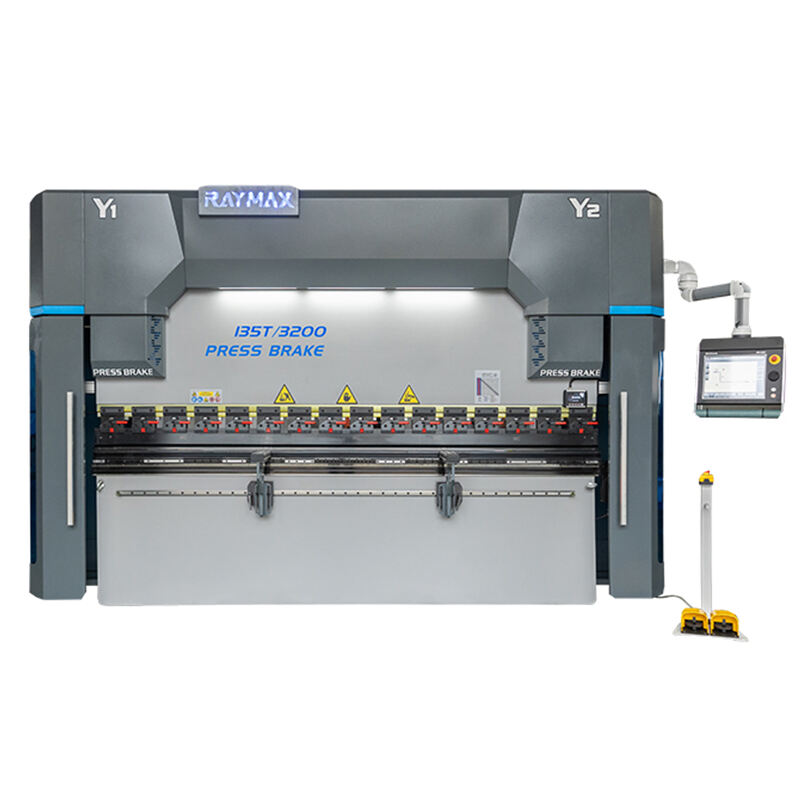
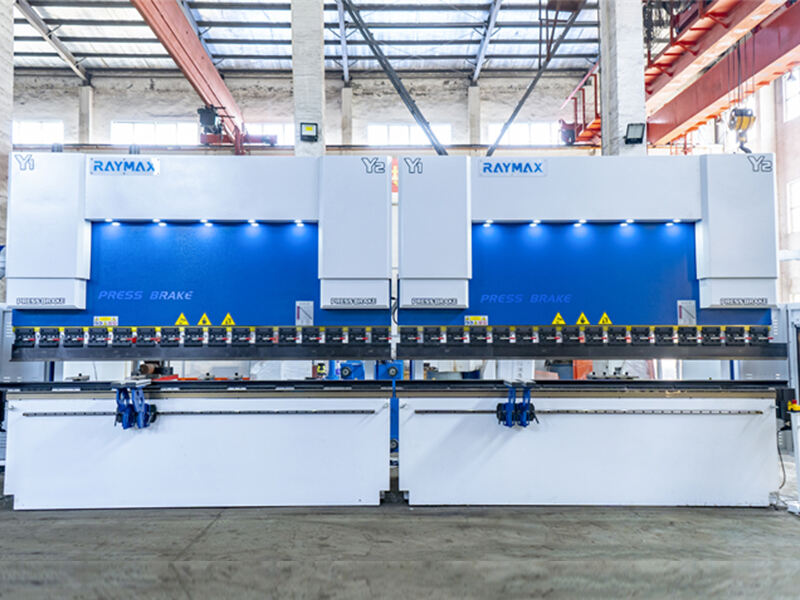
Common troubleshooting issues with CNC press brakes can be systematically diagnosed and resolved with proper understanding of hydraulic, electrical, and mechanical systems. Insufficient bending force or incomplete bends typically indicate hydraulic system problems, requiring verification of fluid levels in the reservoir, inspection for leaks around seals and fittings, and checking pump output pressure against manufacturer specifications. Inconsistent bend angles across a shift often point to thermal drift in hydraulic systems, where rising oil temperature lowers viscosity and alters flow characteristics through proportional valves. Operators may need to allow warm-up time until oil reaches stable operating temperature, or consider upgrading to an electro-hydraulic servo system with better thermal stability. Poor bend angle consistency between left and right sides of the workpiece indicates ram synchronization problems. For torsion-bar synchronized machines, check that the torsion bar connections are secure and not worn. For electro-hydraulic servo machines, verify that both optical scales or linear encoders are reading correctly and that proportional valve responses are balanced. Backgauge positioning errors causing incorrect flange dimensions can result from loose belt drives, worn ball screws, or encoder feedback issues. Verify backgauge positioning with a calibrated ruler or dial indicator, check belt tension, inspect ball screw for wear, and clean encoders if contamination is suspected. Excessive burr formation or cracking along the bend line suggests tooling issues. Check that the punch tip radius is appropriate for the material thickness, verify that the die V-opening is correct, inspect tools for wear or damage, and confirm proper lubrication is applied. Unusual noise during operation may signal air in the hydraulic system, requiring bleeding of air from cylinders and lines, or worn pump components requiring replacement. Electrical issues such as machine not starting, controls not responding, or safety systems tripping require verification of input voltage, inspection of control fuses, checking of emergency stop circuit continuity, and testing of limit switch and light curtain function. Regular preventive maintenance including fluid changes, filter replacement, tool inspection, and backgauge calibration reduces the frequency of these common problems by 70 to 80 percent compared to neglected machines. Our technical support team provides remote and on-site assistance for CNC press brake troubleshooting, helping fabricators minimize downtime and restore production quickly. Contact us to discuss maintenance and support options for your CNC press brake equipment.
27
Nov
27
Nov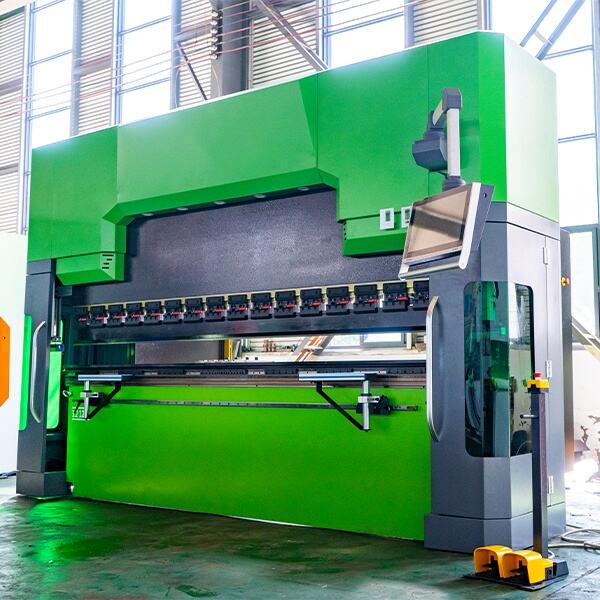
19
Sep
 EN
EN