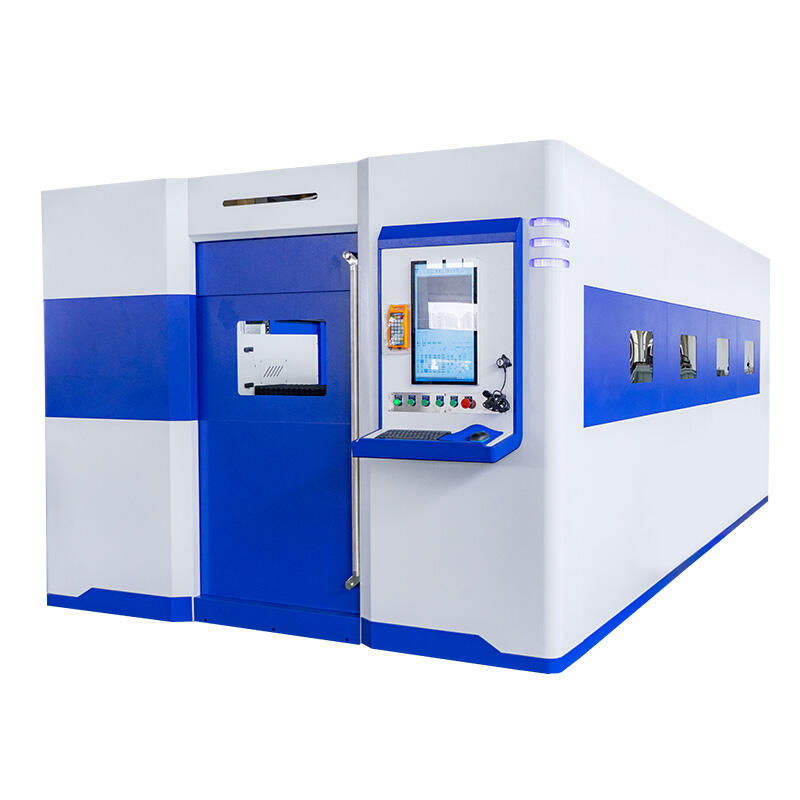
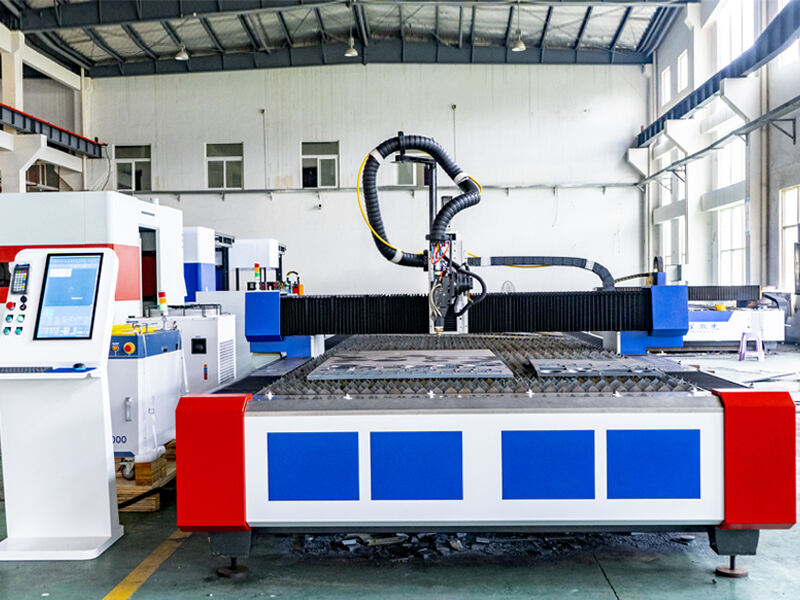
Maintenance requirements for fiber laser cutters are substantially lower than those of CO2 laser or plasma cutting equipment, yet systematic preventive care remains essential for maximizing equipment lifespan and cut quality consistency. Daily maintenance procedures for fiber laser cutters begin with a visual inspection of the protective glass window located inside the cutting head, as this component shields the focusing optics from spatter and fumes generated during cutting. Contaminated protective glass should be replaced immediately, as beam scattering reduces power density at the workpiece and produces inconsistent cut quality, oxidation along the cut edge, or incomplete penetration. The nozzle requires daily inspection to ensure it is free of debris and properly aligned, as a damaged or misaligned nozzle disrupts assist gas flow and can cause cut defects including dross formation, rough edges, or tapered cuts. The guide rails and racks require daily cleaning to remove metal dust and debris that could affect motion accuracy, with lubrication applied according to manufacturer specifications. The cooling system, which removes waste heat from the laser source and optics, requires weekly inspection of coolant levels and quality. For water-cooled fiber laser cutters, coolant conductivity should be measured and maintained below 30 microsiemens per centimeter, with deionized water replacement recommended every three months to prevent algae growth and mineral deposit accumulation that could clog cooling passages and cause overheating. The cutting head’s focusing lens and collimating lens require monthly inspection, cleaning with specialized lens paper and anhydrous ethanol using a single-direction wiping motion to prevent scratching. The chip collection system should be emptied regularly to prevent debris buildup that could affect cutting bed flatness or create fire hazards. Laser power calibration verification using a power meter is recommended every 500 operating hours to ensure the machine delivers the programmed output power to the workpiece. Consumable components for fiber laser cutters include protective lenses replaced every 200 to 500 hours depending on cutting conditions, focusing lenses replaced every 1000 to 2000 hours, nozzles replaced every 100 to 300 hours, and ceramic rings replaced when damaged. Assist gas consumption varies by application, with oxygen used for carbon steel costing approximately 0.50 to 1.00 dollars per hour, nitrogen for stainless steel costing 5 to 15 dollars per hour, and compressed air for thin materials costing 0.10 to 0.30 dollars per hour. Unlike plasma cutting equipment that requires frequent replacement of electrodes, nozzles, and swirl rings, fiber laser cutters have consumable costs approximately 60 to 70 percent lower over a typical year of operation. Following these maintenance protocols reduces unplanned downtime by 60 to 70 percent and extends equipment service life by 5 to 10 years compared to neglected machines. Contact our service department for a comprehensive preventive maintenance schedule customized to your fiber laser cutter model and operating conditions.
27
Nov
27
Nov
27
Nov
 EN
EN