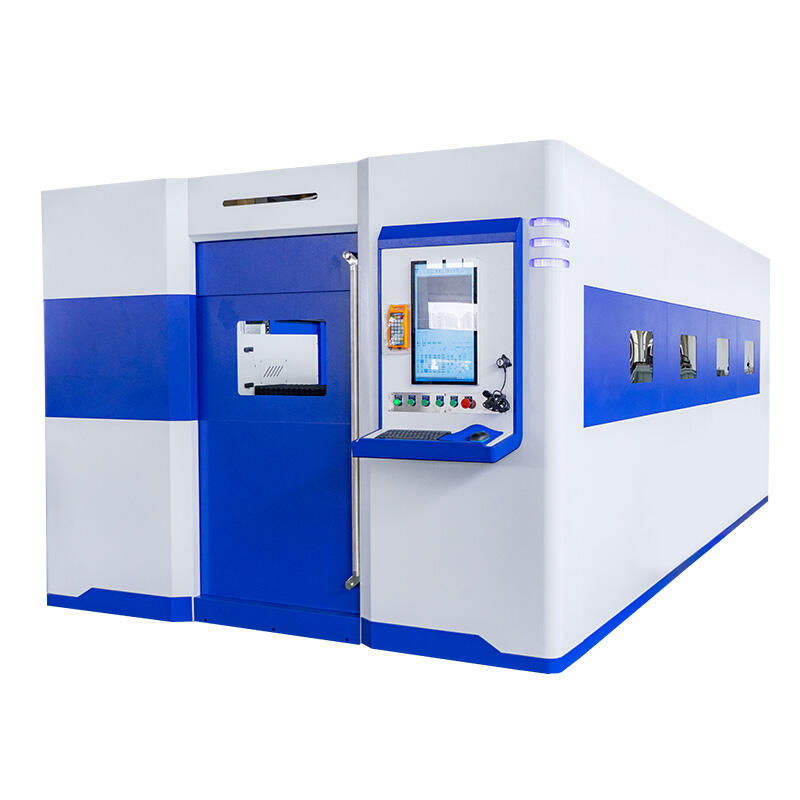
The economic justification for investing in a fiber laser cutter rests on quantifiable improvements in productivity, labor efficiency, material utilization, and quality that typically deliver payback within 12 to 24 months for operations with moderate to high fabrication volumes. Compared to plasma cutting, fiber laser cutters reduce direct labor requirements by eliminating secondary finishing operations, as the clean, burr-free edges produced require no grinding or deburring before welding or assembly. A case study documented a company that reduced production time for cutting 10mm steel sheet from two hours to just 20 minutes after upgrading to a fiber laser cutter, representing an 83 percent reduction in cycle time. Setup time reduction is equally significant, as digital file-based cutting eliminates the need for hard tooling, fixtures, or manual layout, with program changes taking seconds rather than the hours required for tooling changes on punch presses or mechanical cutting equipment. For job shops producing 50 to 100 different part numbers weekly, this flexibility translates directly to improved throughput and faster customer response times. Material waste reduction represents another significant cost-saving dimension, as the narrow kerf width of 0.1mm to 0.2mm produced by fiber laser cutters reduces scrap by 5 to 10 percent compared to plasma cutting with 3mm to 5mm kerf, and by 15 to 20 percent compared to abrasive waterjet cutting with 1mm to 2mm kerf. For a fabrication shop processing 100,000 dollars worth of steel plate annually, this kerf reduction alone saves 5,000 to 10,000 dollars per year in material costs. Nesting software integrated with fiber laser cutters arranges parts to reduce material scrap by an additional 10 to 15 percent, with a documented case showing a light industry client making electrical enclosures reduced material waste by 12 percent, translating to annual savings of 8,000 dollars. Energy efficiency further improves operating economics, with fiber laser cutters consuming 50 to 70 percent less electricity than CO2 lasers of equivalent power, and 30 to 50 percent less than plasma cutting systems when considering total facility energy consumption including ventilation and material handling. Maintenance costs for fiber laser cutters are predictable and manageable, with consumable expenses approximately 60 to 70 percent lower than plasma cutting over a typical year of operation. A 6kW fiber laser metal cutting machine with basic configuration starts at approximately 50,000 dollars, while the top configuration is as high as 108,000 dollars, with an average cost of around 78,000 dollars in 2026. For manufacturers with annual cutting labor costs exceeding 100,000 dollars, the productivity gain from converting to a fiber laser cutter alone can justify the capital investment within the first operating year. Contact our financial analysis team for a detailed return-on-investment calculation based on your specific production volumes, material types, and current cutting methods.
27
Nov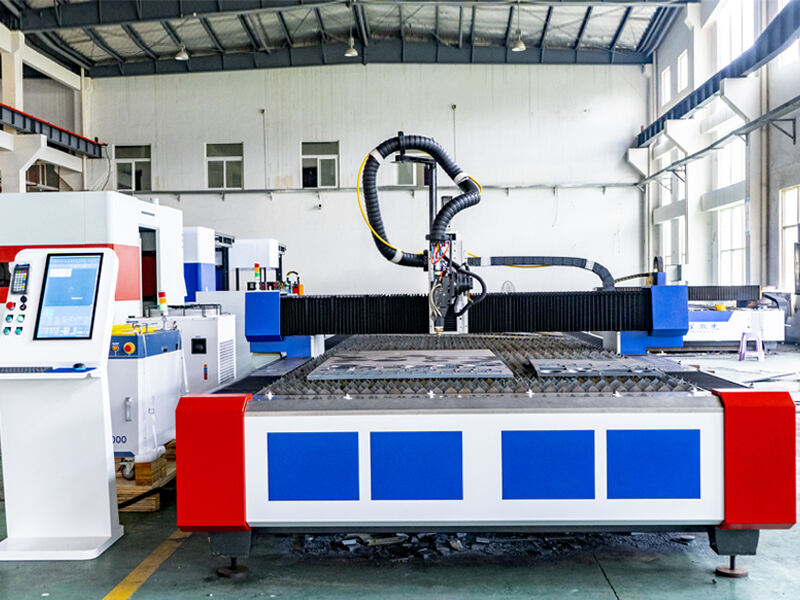
27
Nov
19
Sep
 EN
EN