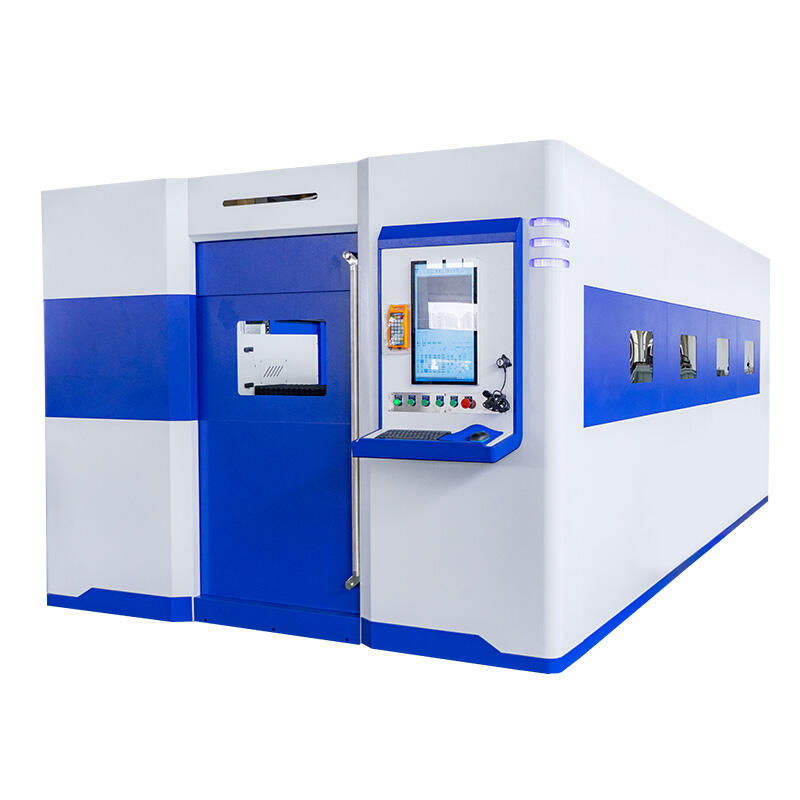
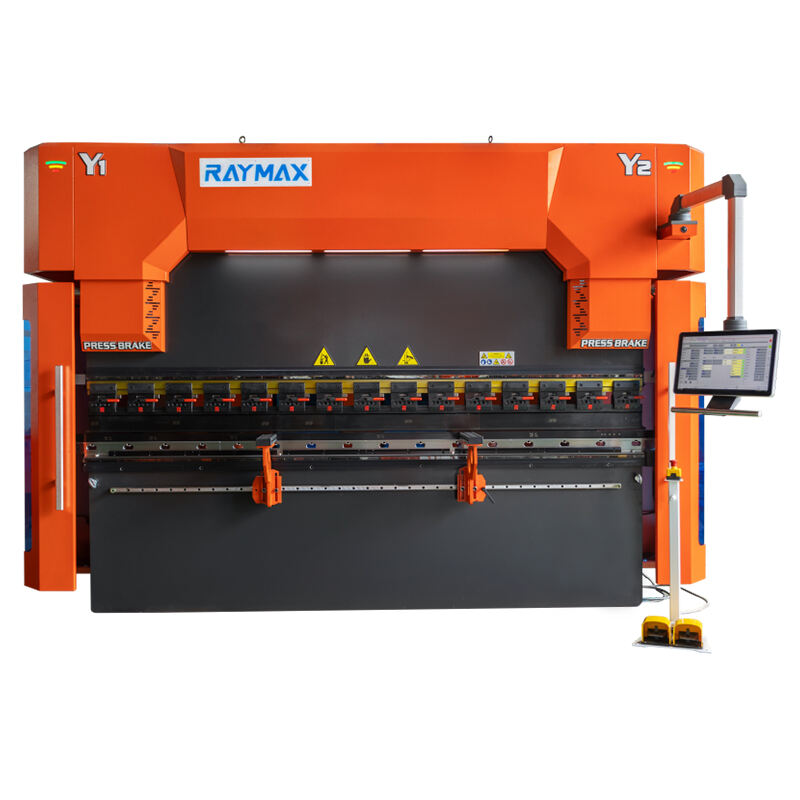
The integration of fiber laser cutters with Industry 4.0 and smart factory systems is transforming sheet metal fabrication from isolated machine operation to fully connected, data-driven manufacturing. In 2025, CNC machines are no longer standalone units but part of fully integrated smart factories, connected through data, sensors, and automation. Modern fiber laser cutters connect to factory MES systems via the OPC UA protocol, turning what was once an isolated cutting machine into a gateway to Industry 4.0, ready to connect with MES systems and future automation lines. By implementing OPC UA, control systems enhance monitoring capabilities, allowing for real-time synchronization of laser cutter statuses and operations with other factory equipment. IoT sensors integrated into modern fiber laser cutters provide exceptional operational visibility, monitoring parameters including applied laser power through photodiodes to ensure correct power delivery for different materials and thicknesses, micron-level position feedback for repeatable cutting accuracy, cooling system temperatures to identify potential issues before failures occur, vibration levels that could indicate bearing wear or gantry misalignment, and assist gas pressure to ensure optimal cutting conditions. The data collected by these sensors feeds into centralized monitoring systems, where it is analyzed against performance benchmarks in real-time, enabling automatic adjustments to maintain optimal cutting conditions. The accumulated data also forms a historical record, offering insights into long-term performance and areas for improvement. Predictive maintenance systems use sophisticated algorithms to transform operational data into actionable maintenance intelligence, continuously analyzing performance metrics against established baselines to identify subtle deviations that suggest developing issues. Machine learning algorithms process this information alongside historical maintenance records to calculate component failure probabilities, allowing maintenance teams to schedule interventions during planned downtime rather than responding to unexpected breakdowns. Remote diagnostic capabilities allow fiber laser cutter manufacturers to analyze machine performance from distant locations, with technical specialists reviewing operational data, running diagnostic routines, and guiding on-site personnel through troubleshooting procedures without traveling to the customer facility. Cloud connectivity and remote diagnostics enable fiber laser cutters to support global manufacturing networks, with manufacturers able to monitor machines across multiple facilities from a central location. Offline programming software integrated with CAD/CAM systems allows programming away from the machine, with programs transferred via USB, network, or cloud connection, maximizing production uptime. Smart cameras integrated into the cutting head monitor cut quality in real-time, detecting issues such as incomplete cuts or excessive dross and alerting operators before defective parts are produced. For manufacturers implementing full automation, fiber laser cutters can be interfaced with ERP, NAS, CAD, and CAM systems for seamless data flow from design to finished part, with the automated cutting line connected to laser cutters, automatic warehouses, and downstream welding or forming equipment. Our fiber laser cutters are equipped for Industry 4.0 connectivity, with interfaces for remote monitoring, predictive maintenance, and integration with factory automation systems. Contact us to discuss how our smart fiber laser cutter solutions can connect your cutting operations to your digital manufacturing ecosystem.
27
Nov
27
Nov
19
Sep
 EN
EN