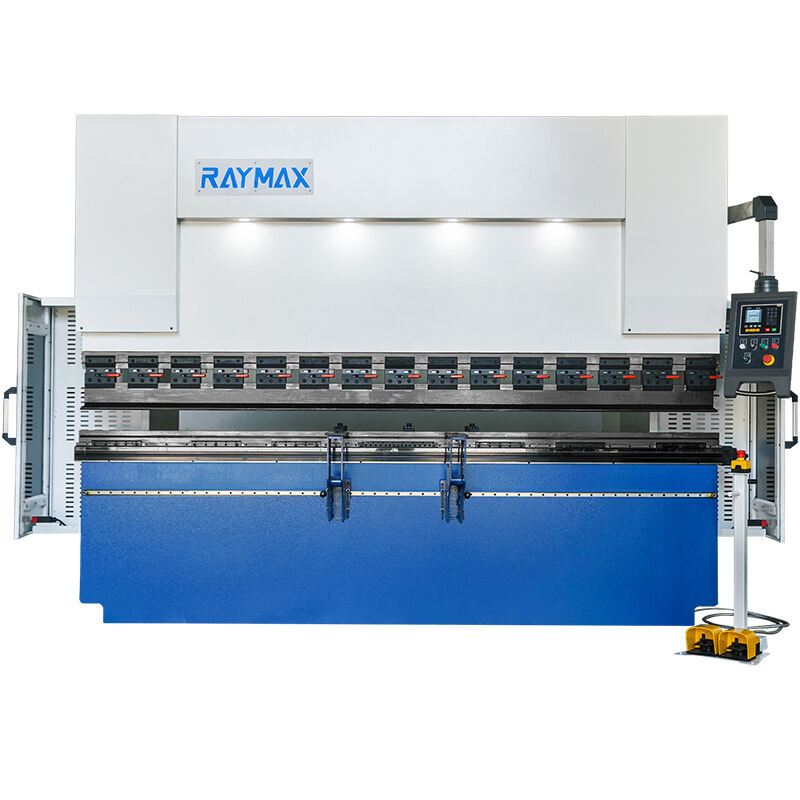
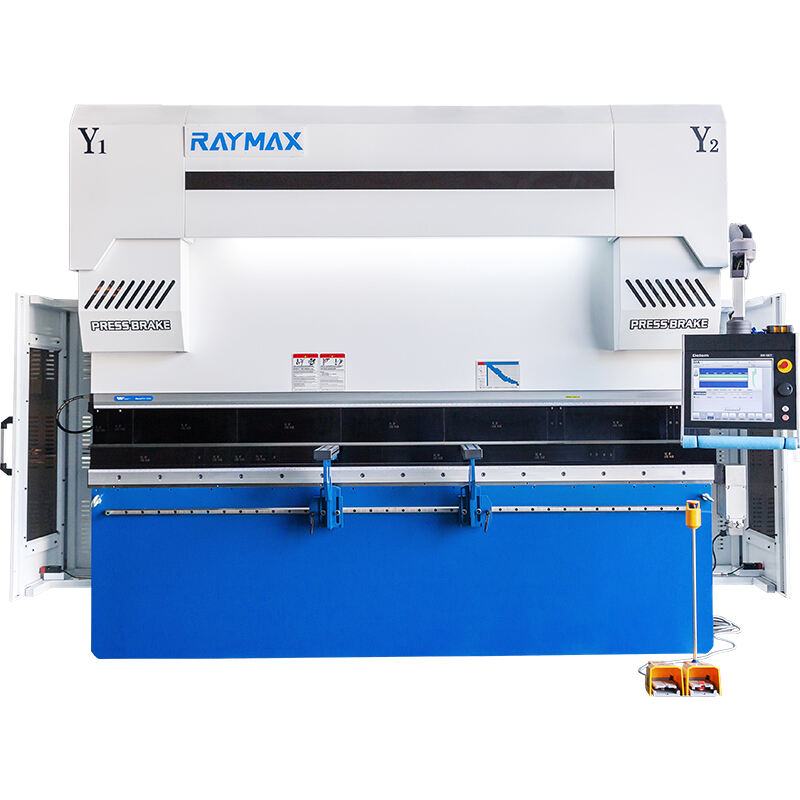
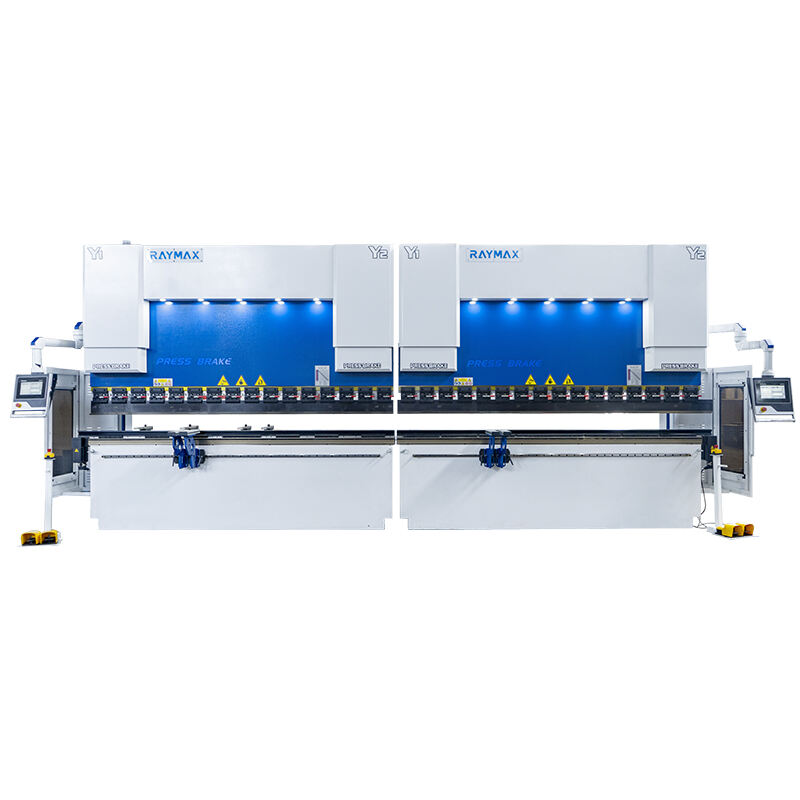
The return on investment for a press brake depends on quantifiable improvements in productivity, labor efficiency, material utilization, and quality that typically deliver payback within 12 to 24 months for operations with moderate to high fabrication volumes. Compared to manual press brakes, CNC press brakes reduce direct labor requirements by automating the bending cycle, with each part moving from raw material to finished component with minimal operator intervention. Setup time reduction is equally significant, as CNC-controlled backgauge systems and stored bending programs enable function transitions in under 60 seconds compared to 5 to 10 minutes required for manual repositioning and angle calculation. For job shops producing 50 to 100 different part numbers weekly, this time savings accumulates to 15 to 20 hours per week of productive capacity recovered from changeover activities. Material waste reduction represents another cost-saving dimension, as precision CNC bending minimizes scrap compared to manual methods that rely on operator skill for angle accuracy. Programmable controls ensure that each bend matches the programmed angle within tight tolerances, eliminating the test bends and rework common with manual press brakes. The scrap rate can be reduced to less than 0.5 percent compared to traditional methods. Companies that invest in advanced press brakes can reduce labor costs by up to 30 percent and improve production efficiency by 25 to 40 percent, according to industry surveys. Although the initial purchase cost of a manual press brake is much lower than that of a CNC press brake, in the long run, the CNC press brake’s accuracy, speed, and automation bring higher returns and lower production costs. Improved safety functions also contribute to ROI by reducing accident-related costs. The closed-loop safety control system continuously and comprehensively detects equipment operating status, stopping the machine immediately when an abnormality is found, and the accident rate is reduced by 90 percent compared with manual press brakes. For manufacturers with annual bending labor costs exceeding 100,000 dollars, the productivity gain from converting to CNC press brakes alone can justify the capital investment within the first operating year. Material utilization improvements from advanced nesting software add another layer of economic benefit, as reducing scrap directly reduces raw material purchases, which often represent the largest single cost in metal fabrication. A new 60-ton CNC press brake can sell for approximately 25,000 dollars, often less than older NC machines, making the transition more accessible than ever. The ability to handle complex bending operations such as complex curve bending, tapered bending, and compound angle bending expands the range of parts that can be produced in-house, reducing outsourcing costs. Our financial analysis team can calculate a detailed return-on-investment analysis based on your specific production volumes, material types, and current bending methods. Contact us to schedule a productivity analysis demonstrating potential cost savings for your specific fabrication operation.
27
Nov
27
Nov
27
Nov

 EN
EN