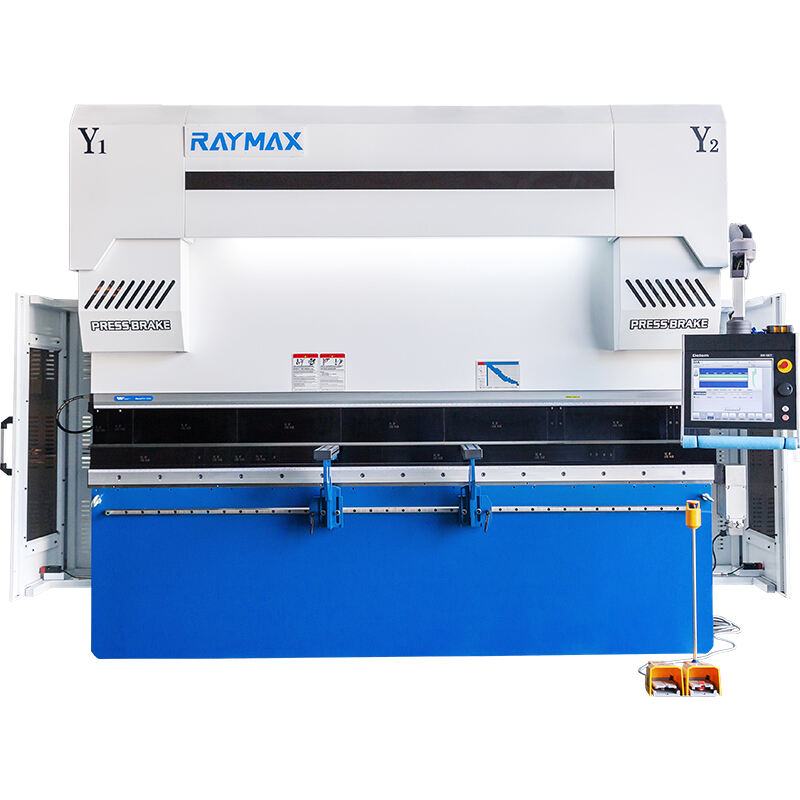
Selecting the correct press brake for your fabrication operation requires careful evaluation of material types, thickness ranges, production volumes, available floor space, and budget constraints. Start by identifying the maximum material thickness and tensile strength you will process, as this determines required tonnage. For carbon steel up to 6mm thickness, 40 to 60 ton machines typically suffice. For 6mm to 12mm thickness, 60 to 85 ton machines are recommended. For 12mm to 25mm thickness, 100 to 200 ton machines provide necessary capacity. For high-strength materials such as stainless steel or armor plate, tonnage requirements increase by 40 to 60 percent compared to mild steel of equivalent thickness. The industry 80 percent rule suggests that a 100-ton brake should typically run below 80 tons, reserving the top 20 percent for thicker material or worn tooling to prevent overloading. Next, evaluate the maximum working length you require, as this determines the size of plates the machine can accommodate. Standard working lengths range from 1600mm to 6000mm, with larger lengths requiring more powerful hydraulic systems and more robust frame construction. Production volume influences whether CNC automation provides sufficient productivity improvement to justify the higher initial investment, with CNC press brakes delivering the greatest value for operations processing high volumes of repeat parts. Floor space constraints may favor compact machines with integrated controls, while available power supply affects whether standard hydraulic or high-efficiency servo-hydraulic drive is preferable. Consider the variety of material types you process, as machines optimized for carbon steel may require parameter adjustments for stainless steel or aluminum. The throat depth determines how far from the material edge bends can be placed, with standard configurations offering 300mm and extended versions reaching 400mm for large plate processing. For applications requiring complex multi-bend parts, consider machines with 4-axis or 6-axis configurations providing programmable backgauge positioning along X, R, and Z axes. When evaluating suppliers, consider factory capabilities including in-house machining tools that reduce outsourcing dependencies and functional testing under simulated loads that verifies performance before shipment. Our press brakes are available in configurations from 40 tons to 2000 tons and working lengths from 1600mm to 12000mm, with technical specifications including programmable backgauge positioning, adjustable bending angle, and automatic crowning compensation. Contact our applications engineering team for assistance selecting the optimal press brake configuration based on your specific production requirements and budget.
27
Nov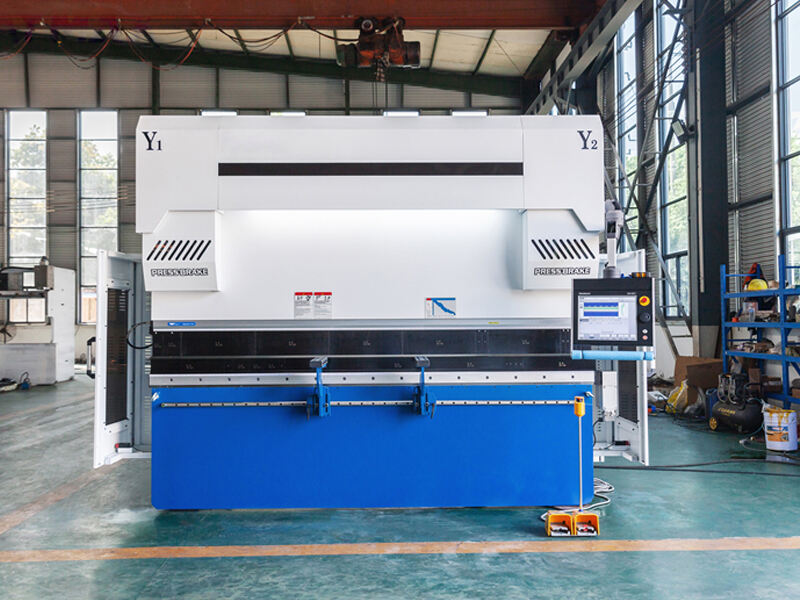
27
Nov
27
Nov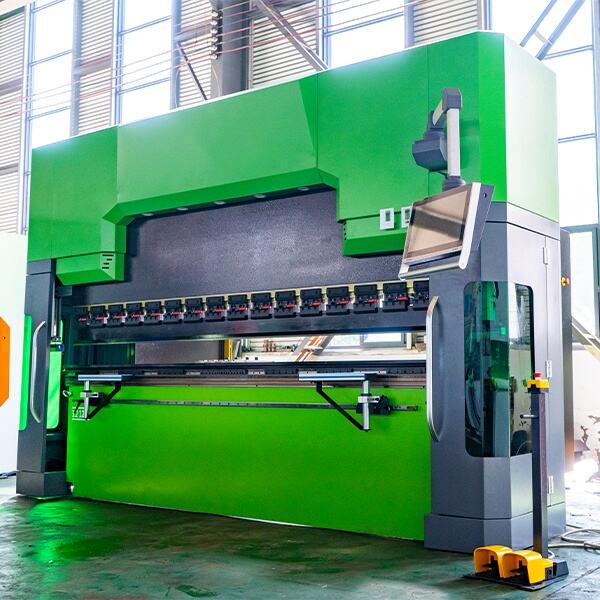
 EN
EN