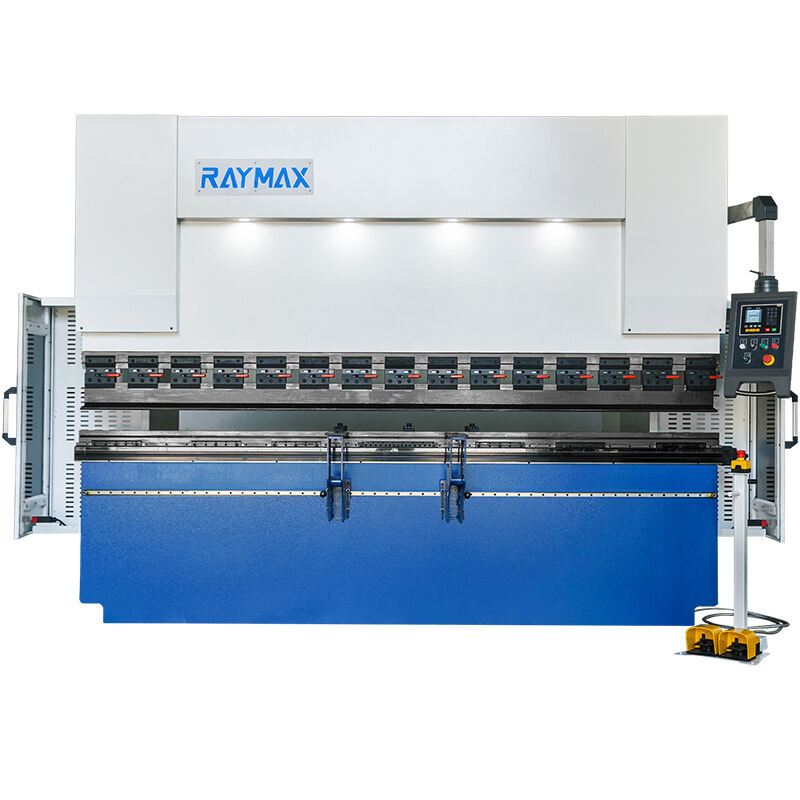
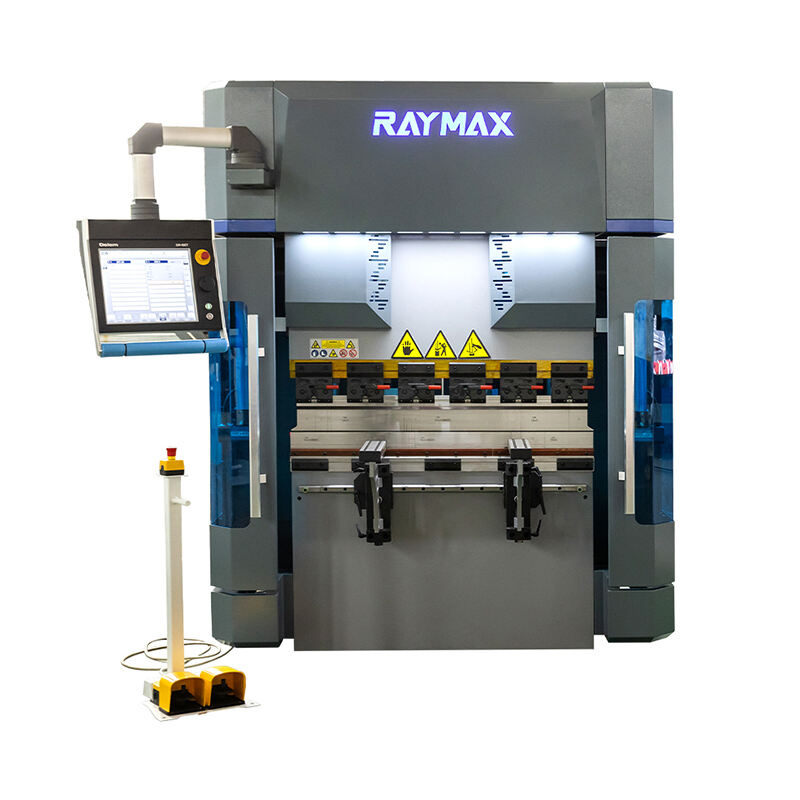
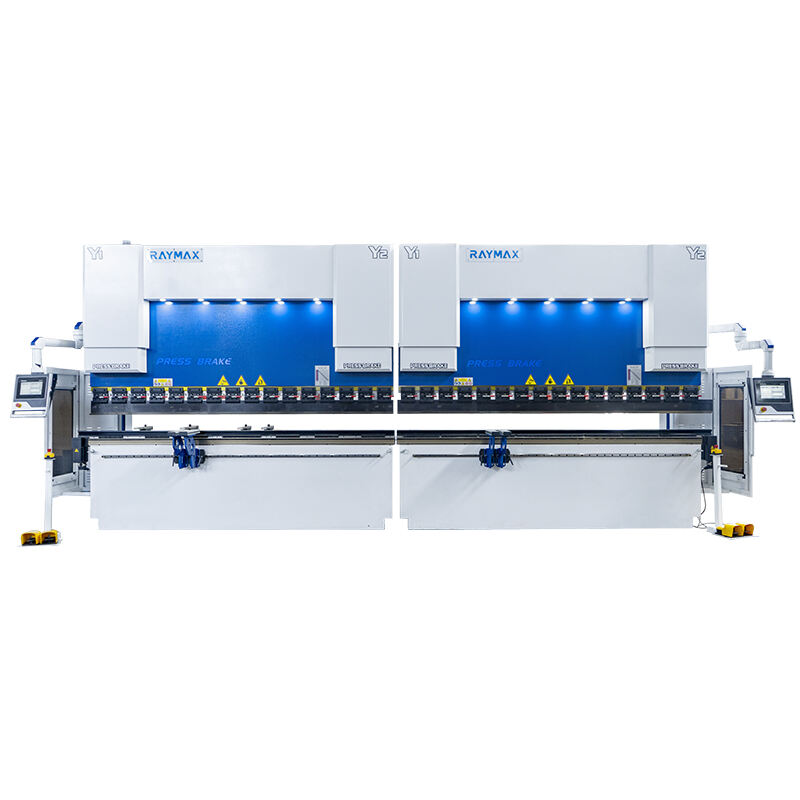
Stainless steel bending with press brakes requires specialized considerations due to the material’s high tensile strength, rapid work hardening, and tendency toward springback. Our press brakes are engineered to process the full range of stainless steel grades including austenitic 304 and 316L, ferritic 430, and martensitic 410, with thickness capabilities up to 20mm depending on tonnage configuration. Austenitic stainless steels in the 304 and 316L grades bend readily with press brakes, with optimal parameters varying by thickness and surface finish requirements. For 1.5mm stainless steel sheet, appropriate die selection and tonnage produce clean, burr-free bends with minimal surface marking. The higher tensile strength of stainless steel compared to mild steel means tonnage requirements increase by approximately 40 to 60 percent for equivalent thickness. For 3mm stainless steel, approximately 70 to 80 tons per meter may be required depending on die V-opening and bend length. Stainless steel’s rapid work hardening during bending requires careful control of bend speed and tooling surface finish. Slower bend speeds and polished tooling surfaces reduce friction and prevent galling, which is particularly important for architectural stainless steel applications where surface appearance matters. Springback in stainless steel is typically 3 to 5 degrees, requiring overbending compensation of 2 to 4 degrees depending on material thickness and bend radius. For food processing equipment applications, the bend edge quality is critical because rough edges can harbor bacteria and be difficult to clean. Our press brakes produce smooth, consistent bend edges that require minimal secondary finishing. For petrochemical industry applications where stainless steel components must withstand corrosive environments, our machines maintain the material’s corrosion resistance by avoiding surface damage that could initiate corrosion. The die V-opening width for stainless steel should be selected as 8 to 10 times material thickness to distribute force evenly and prevent stress cracking. For medical device applications requiring extremely tight tolerances and sterile surfaces, our press brakes achieve bend angle accuracy of ±0.1 degrees with surface finishes that meet medical industry standards. The minimum bend radius for 304 stainless steel is typically 2 to 3 times material thickness to prevent cracking. Our press brakes are available with tonnage ratings and working lengths suitable for stainless steel processing across all industry sectors. Contact us for bending trials on your specific stainless steel components to verify edge quality and processing parameters.
27
Nov
27
Nov
19
Sep
 EN
EN