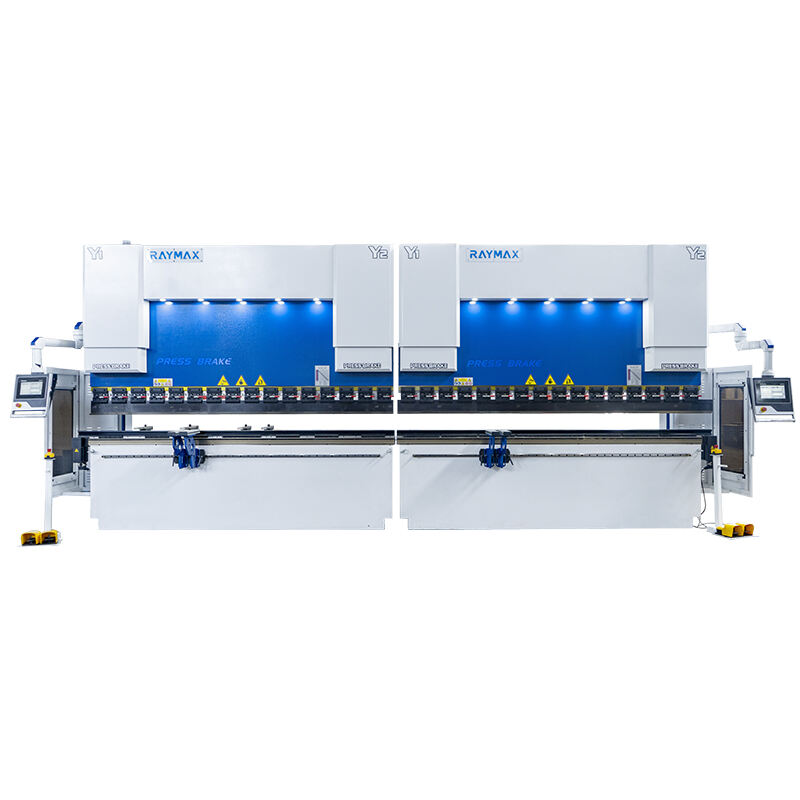
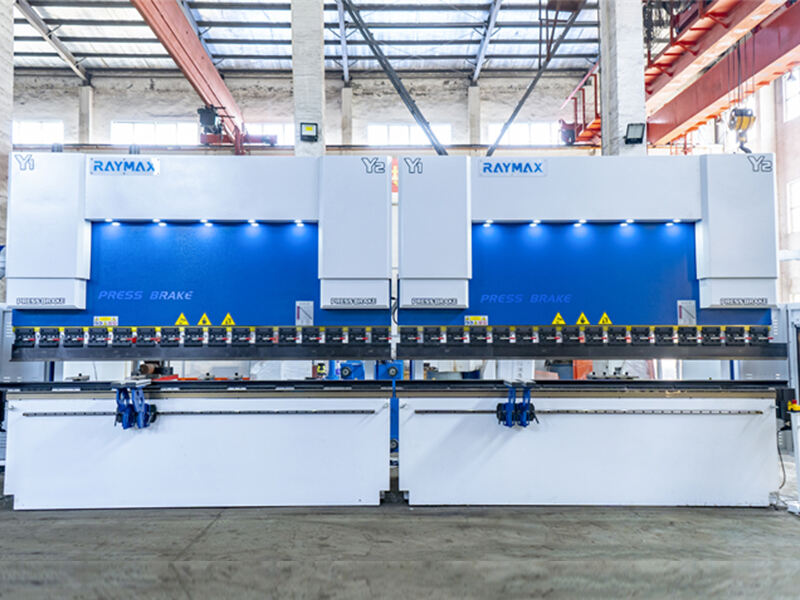
Bending angle accuracy on a press brake is determined by multiple interrelated factors, with the fundamental principle being that ram depth determines the bend angle in air bending, the dominant bending method in precision fabrication. When a press brake applies force, the punch drives the sheet metal into the V-die opening, and the angle achieved depends primarily on how far the punch penetrates. However, material thickness, yield strength, grain direction, and springback all vary between batches and even within the same sheet, meaning the same programmed depth can produce different angles. Springback occurs because metal has elastic as well as plastic properties. When bending force is applied, the material deforms plastically, taking a permanent set. However, when the force is released, the material recovers elastically, causing the bend angle to open slightly by 1 to 3 degrees for steel and 3 to 5 degrees for aluminum. The amount of springback depends on material type, with high-strength steels and stainless steel exhibiting more springback than mild steel; material thickness, with thicker materials generally showing more springback; bend radius, with larger radii producing more springback; and grain direction, with bending across the grain producing different springback characteristics than bending with the grain. Modern press brakes address springback through multiple strategies, including overbending where the controller calculates additional penetration depth needed to achieve the target angle after springback, and real-time angle measurement systems that use laser sensors or cameras to measure the actual bend angle during or immediately after the bending stroke. Advanced systems can achieve ±0.5 degree accuracy even with variable material properties. Adaptive bending systems use force feedback in addition to position control, monitoring the relationship between applied force and ram position to detect variations in material strength and adjust the bend depth in real-time. Our press brakes achieve bending angle accuracy up to ±0.1 degrees and repeat positioning accuracy up to ±0.01mm, far exceeding the accuracy of traditional manual press brakes that rely on operator skills. Contact our applications team to discuss springback compensation approaches optimized for your specific material types and production requirements.
27
Nov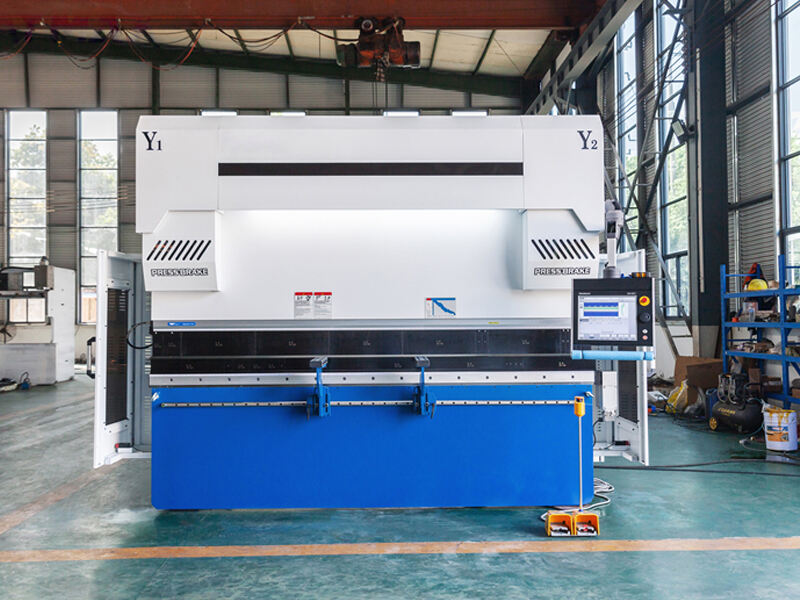
27
Nov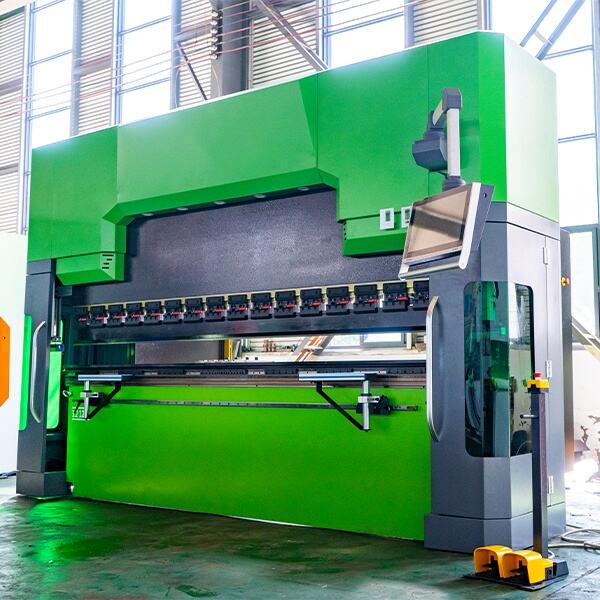
19
Sep
 EN
EN